
Most of us know we should sleep more, and most of us do not. If you want to know how to sleep better in Singapore, the Health Promotion Board (HPB) has a free, plain-English guide on HealthHub that sets a clear benchmark: adults should aim for at least seven hours a night.
A 2024 YouGov survey cited by SingHealth found 54 per cent of Singaporeans surveyed slept six hours or less on a typical night, so that benchmark is a stretch for many of us. Here is what HPB says to check, change and, if needed, take to a doctor.
How to sleep better in Singapore: start with seven hours
HealthHub explains that a good night should leave you refreshed and alert. Sleep also helps your body restore itself, supports memory and learning, and lifts your mood. Cut it short and you are more likely to feel irritable.
Each sleep cycle lasts about 90 minutes and repeats through the night, so cutting an hour off here and there matters more than it feels. The guide lists international recommendations by age:
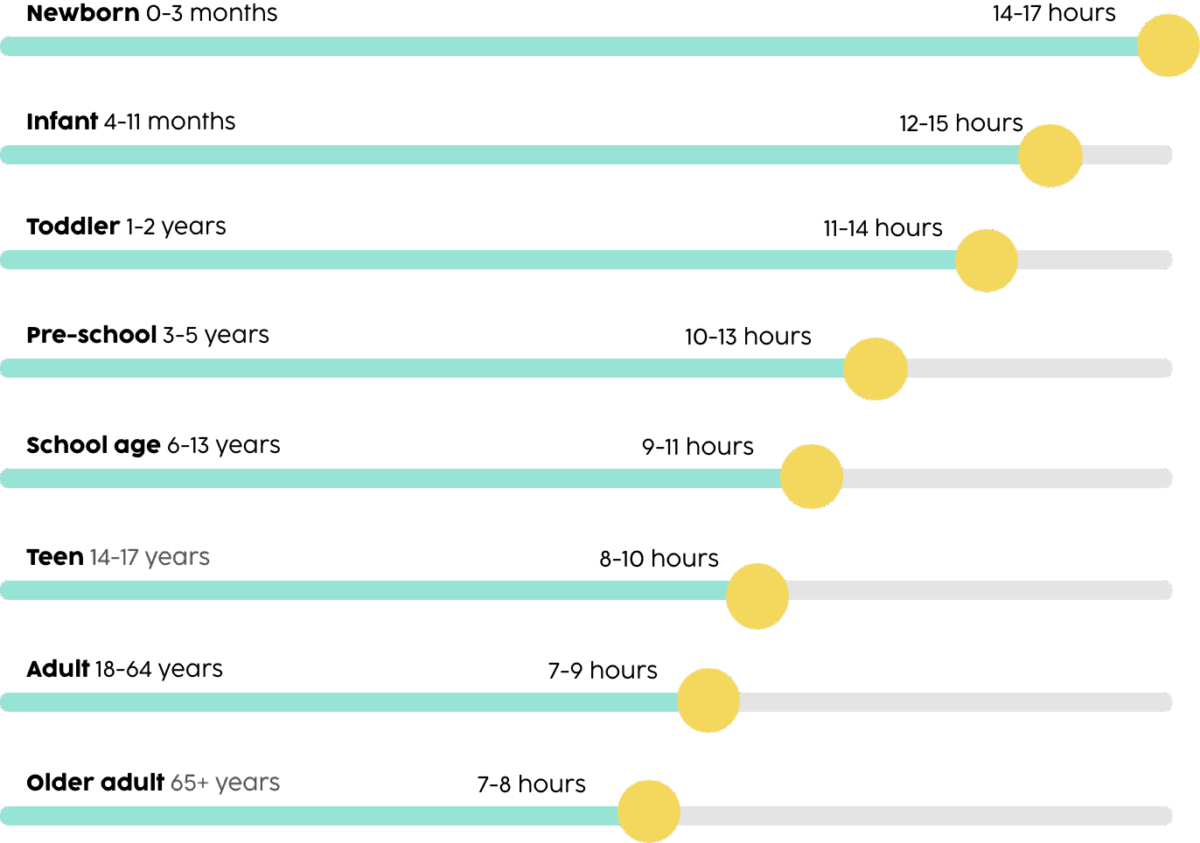
- Teens (14-17 years): 8-10 hours
- Adults (18-64 years): 7-9 hours
- Older adults (65 years and above): 7-8 hours
Revenge bedtime procrastination, the lepak-at-midnight habit
HPB names a habit many of us will recognise: revenge bedtime procrastination. After a long day of work or caring duties, you push your bedtime back to claw some leisure time, whether that is gaming, scrolling or one more episode.
It feels like a win at 1am. By 7am, it does not. HPB lists poor sleep hygiene, late-night binge-watching, long work hours, sleep disorders and conditions such as anxiety as the usual causes of sleep deprivation.
Tips from HPB for a good night’s sleep
The HealthHub list is practical and cheap. These are the ones to try first:
- Put screens away at least 60 minutes before bed. Blue light suppresses melatonin, and emails or social media keep your mind busy.
- Try deep breathing or muscle relaxation, or read a physical book instead of a bright tablet.
- Keep the same bedtime and wake time every day, including weekends.
- Skip caffeine at night. Alcohol may help you drop off faster, but HPB says it disrupts sleep later in the night.
- If you are hungry, have a light snack such as low-fat yoghurt, milk or fruit, not a heavy supper.
- Block out light with thick curtains or an eye shade, and consider earplugs for noise.
- Nap in the early to mid-afternoon for about 10 to 20 minutes, not in the evening.
Exercise helps too. HPB says moderate-to-vigorous activity helps you fall asleep faster, and outdoor sunlight helps regulate your sleep-wake cycle. The best time of day differs from person to person, so test what works for you.
Track your sleep with Healthy 365
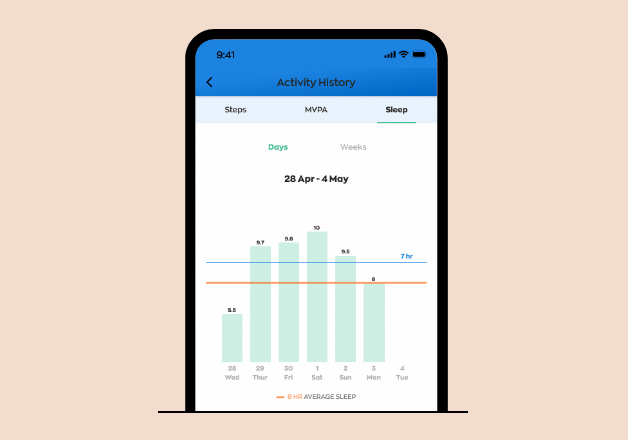
Not sure how much you really get? HealthHub suggests sleep tracking. Pair a compatible fitness tracker with HPB’s Healthy 365 app and it records your sleep duration and shows your patterns, so you can spot habits such as late-night bingeing.
HPB suggests starting with a simple sleep diary if you do not have a wearable. Note when you went to bed and woke up, how well you felt you slept, what you ate or drank before bed, and your mood. The same record is useful if you later see a doctor.
When poor sleep needs a doctor
Everyone has a bad week. HPB says to consider keeping a sleep record if trouble sleeping lasts at least a month, causes significant distress or gets in the way of work and social life. Warning signs include snoring, falling asleep while driving, memory problems and slowed reactions.
Persistent poor sleep is also linked with depression, anxiety, heart disease, diabetes and dementia, which is why it is worth taking seriously. If you are struggling, you can seek advice from the sleep centres HealthHub lists, including:
- Changi General Hospital, Department of Sleep Medicine: 6788 8833
- Khoo Teck Puat Hospital, Obstructive Sleep Apnoea Clinic: 6555 8828
- Ng Teng Fong General Hospital, Sleep Disorder Multidisciplinary Care: 6716 2222
- Sengkang General Hospital, Sleep Clinic: 6930 6000
- Tan Tock Seng Hospital, Sleep Disorder Clinic: 6357 7000
HealthHub lists more, including NUH, SGH and the National Neuroscience Institute, with opening hours. Several clinics are by appointment, so call first. For SGH’s Sleep Disorders Clinic, HealthHub notes a referral letter gets you subsidised rates.
Sleep is one piece of looking after your mind. Read HPB’s CARE method for supporting a friend with mental health struggles, or its 3-week plan to cut sodium if you are overhauling your habits more broadly. For heat and exercise safety, see our guide to heat exhaustion and heat stroke.