Asthma is not a reason to stop exercising, and SingHealth’s specialists are clear on that point. What matters is getting the asthma under control first, then preparing properly before you run, swim or play. Asthma affects 5 per cent of adults and 20 per cent of children in Singapore, according to Changi General Hospital (CGH), so plenty of people at the start line are managing it.
What exercise-induced asthma is
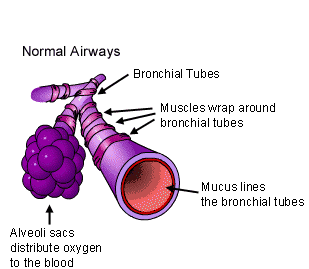
Singapore General Hospital (SGH) describes exercise-induced asthma as a narrowing of the airways caused by exercise. It is more likely when you breathe cold air with low humidity, or air pollutants. Doctors usually confirm it with a specialised test that involves cycling or treadmill running.
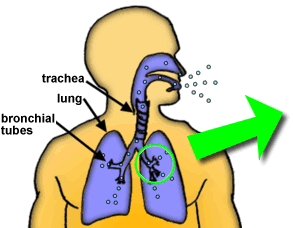
Dr Tan Keng Leong, a senior consultant in respiratory and critical care medicine at SGH, adds an important point: asthma that flares with exercise often means the asthma is not adequately controlled. Regular controller, or anti-inflammatory, treatment reduces those exercise-related symptoms.
Before you start
Dr Tan’s advice for people with exercise-induced asthma comes down to three habits.
- Get your asthma checked. Ask your doctor whether it is under control, and what to change if it is not.
- Use your reliever, such as a salbutamol inhaler, 15 minutes before exercise, on top of your regular controller medication, if your doctor has diagnosed exercise-induced asthma.
- Warm up for 15 to 20 minutes with light exercise and stretching before any sport. He notes this reduces how often exercise-induced asthma happens and how severe it is.
CGH adds a fourth: keep your rescue inhaler with you at all times, because attacks can come on suddenly.
Which activities suit you
Dr Tan recommends swimming and water sports for people with asthma, and SingHealth notes that swimming is often recommended once asthma is under control. Most people with asthma can take part and excel in any sport, SingHealth adds.
CGH suggests checking with your doctor which activities suit you, with low-impact options such as walking or swimming as a starting point. It also points to a University of Western Australia study which found asthma was the most common chronic condition among Olympic athletes, affecting eight per cent of them.
On haze days, Dr Tan advises against jogging and running in open areas, because haze may aggravate asthma.
Know your triggers
CGH names the common asthma triggers as dust, pollen, mould, smoking, air pollutants, animal fur and even stress. Everyone’s triggers differ, so the aim is to identify yours and avoid them. SingHealth also warns that smoking, including passive smoke, can trigger an attack.
Have a written asthma plan
CGH recommends a personalised, written asthma plan from your doctor or asthma nurse. It should tell you what to do if your symptoms get worse, when to see your doctor, and how to recognise an asthma emergency. In an emergency, call 995.
CGH also advises practising your inhaler technique with your doctor or asthma nurse, and going for regular asthma check-ups. A severe attack can cause oxygen levels to drop, CGH warns.
This article is general information, not medical advice. Speak to your own doctor about your asthma and the exercise that suits you.