Heat injuries during exercise run from cramps to heat stroke, and doctors at Singapore General Hospital describe them as a real concern in Singapore’s hot and humid weather. They can kill if they are not recognised and treated early, and most of them can be prevented.
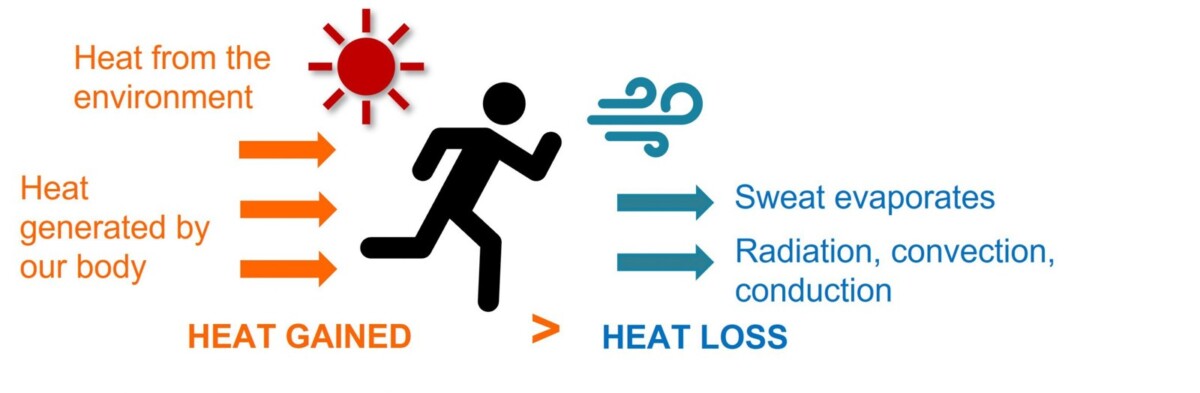
The body overheats when it gains heat faster than it can lose it. High humidity slows the evaporation of sweat, and evaporating sweat is how the body loses heat.
Three stages, from mild to deadly
SGH sorts heat injuries into three levels.
- Heat cramps: the mildest form. Heavy sweating drains water and salt, and painful, on-and-off cramps hit the large muscles of the calves, thighs and abdomen.
- Heat exhaustion: a severe form, and a sign the heart and circulation cannot keep up with working muscles. Expect weakness, exhaustion, headaches, dizziness and heavy sweating, with a raised body temperature. It needs prompt treatment.
- Heat stroke: the most serious. The body’s temperature control fails, core temperature rises above 41 degrees Celsius, and sweating drops or stops, which SGH calls a very serious sign. The person may turn confused or aggressive and can slip into a coma.
Heat stroke is a medical emergency. Without proper medical attention, a person can die within minutes, so stop the activity and get emergency help. MSS notes that core temperature in heat stroke is often, but not always, above 40 degrees Celsius, and lists disorientation, loss of consciousness and seizures among the signs.
What raises the risk
Some triggers are obvious, such as air above 30 to 32 degrees Celsius, high humidity, direct sun and hard, sustained effort. Others are easier to miss. SGH also names poor fitness, lack of sleep and obesity, coffee, tea and alcohol, some medications that cut sweating or increase urination, a fever, and any illness with vomiting or diarrhoea.
The Meteorological Service Singapore (MSS) adds a warning for evening sessions. When night-time humidity is above 85 per cent, sweat evaporates more slowly and heat builds up, so MSS advises caution with high-intensity exercise even after dark.
The early signs, and recovery
The warning signs of heat-related illness, according to MSS, are weakness, dizziness, visual disturbances, intense thirst, nausea, headache, vomiting, diarrhoea, muscle cramps, breathlessness, palpitations, and tingling or numbness in the hands and feet. Recovery comes from resting in a cool place and drinking something cool, such as water, clear juice or a sports drink. Left untreated, these symptoms can progress to heat stroke.
In hospital, SGH cools heat stroke patients by spraying them from all sides with a fine mist of room-temperature water while a fan evaporates it. Ice-cold water is avoided because it makes the patient shiver, which holds heat in.
Reading the heat stress bands
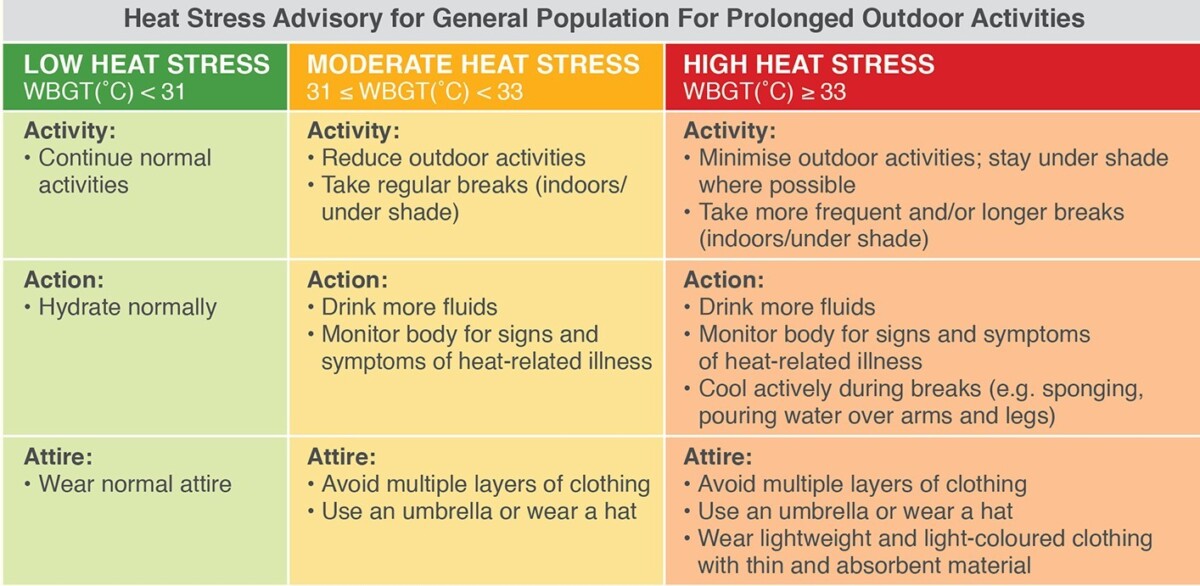
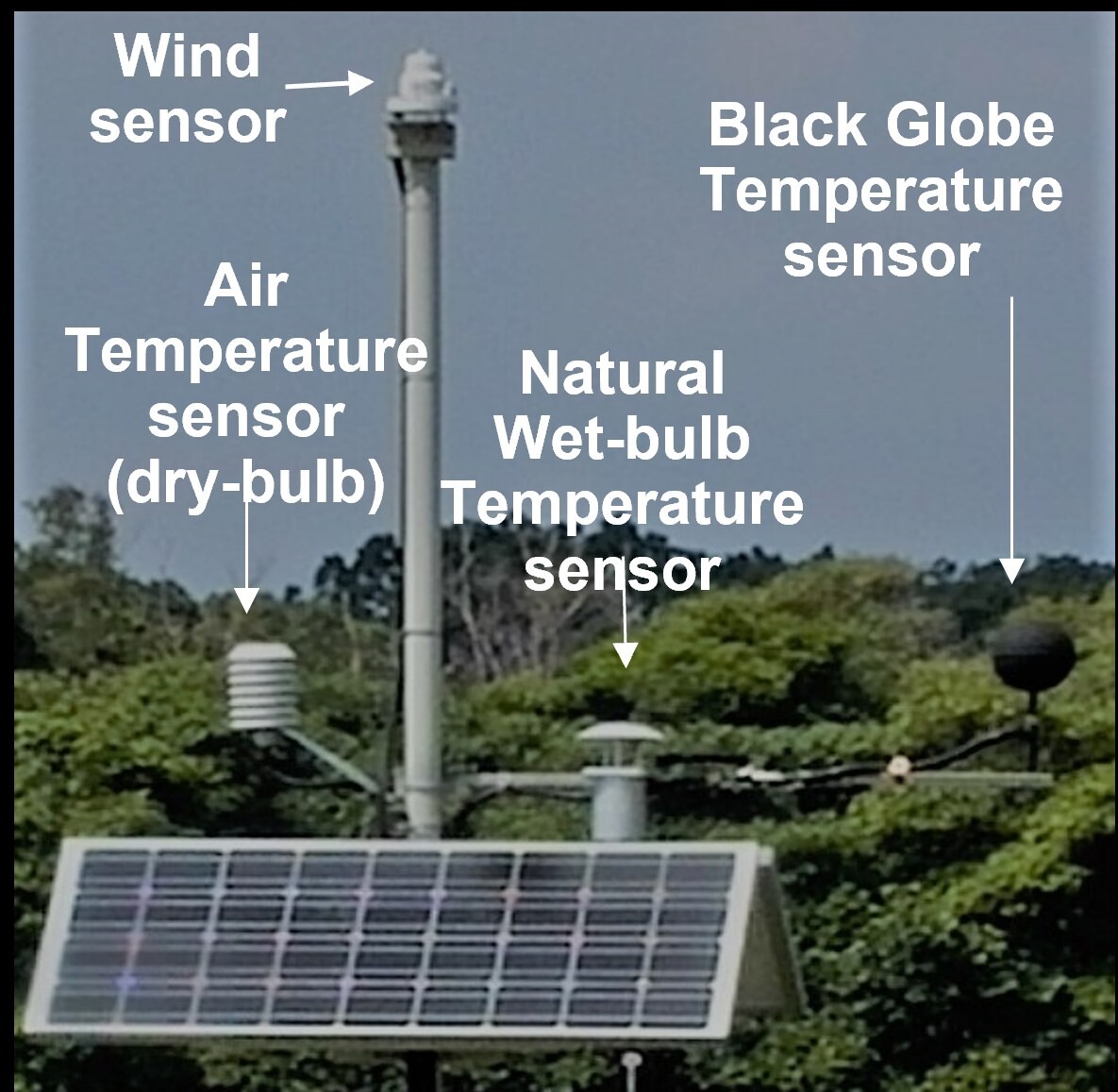
MSS publishes the Wet Bulb Globe Temperature (WBGT), a heat stress reading that combines air temperature, humidity, wind and sunlight, on the myENV app and its weather website. Its advisory for prolonged outdoor activity has three bands.
- Low, below 31 degrees Celsius: carry on as normal and hydrate normally.
- Moderate, from 31 to below 33: cut back outdoor activity, take regular breaks indoors or in shade, and drink more.
- High, 33 and above: keep outdoor activity to a minimum, take longer or more frequent breaks, and cool down actively by sponging or pouring water over the arms and legs.
Moderate to high readings usually come in the late morning and afternoon. High readings also turn up more often in April and May. MSS notes that athletes should follow Sport Singapore’s own heat guidelines.
Planning an outing with children rather than a training session? Our family guide to the Heat Stress Advisory turns the same bands into a three-step decision.