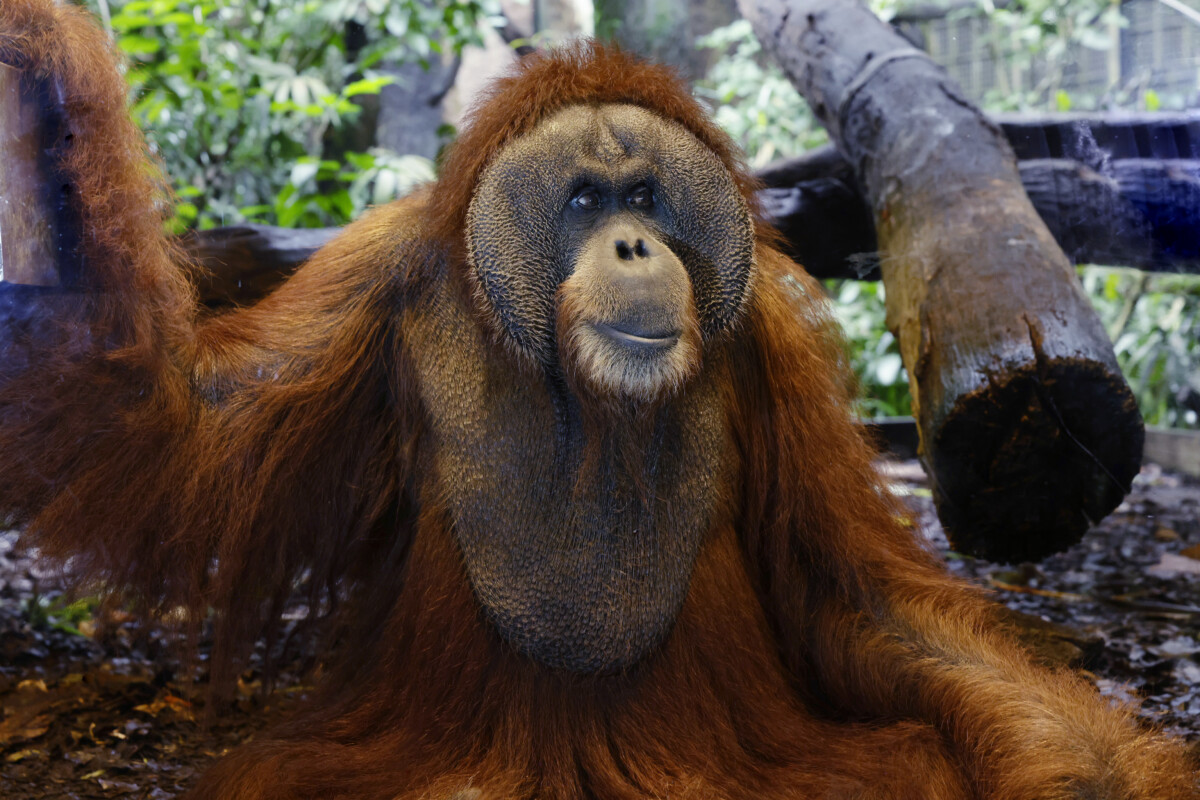
Singapore Zoo has welcomed the birth of Ayaan, a male Sumatran orangutan born to Chomel, a 29-year-old female, via caesarean section on 18 March 2026 after a high-risk pregnancy complicated by placenta praevia. The procedure is believed to be the first documented case of its kind in an orangutan where both mother and infant survived. Ayaan — whose name means blessing — and his mother Chomel are doing well and have returned to the orangutan exhibit, where guests may now see them.
A Genetic Line Worth Saving
Ayaan is the first offspring of Charlie, a 48-year-old Sumatran orangutan whose genetic profile is unrepresented in the managed population of the species. The pairing of Charlie and Chomel was recommended under the Southeast Asian Zoos and Aquariums Association (SEAZA) Species Management Programme for the Sumatran orangutan, a regional cooperative breeding programme co-coordinated by Mandai Wildlife Group.
Despite multiple pairing attempts since 2018, none resulted in a successful conception, and the team turned to assisted reproductive methods. Three artificial insemination attempts followed — in May 2022, March 2023, and July 2025. The third was successful.
Dr Cheng Wen-Haur, Deputy CEO of Life Sciences and Chief Life Sciences Officer at Mandai Wildlife Group, said: “Ayaan’s birth is the result of years of careful planning and teamwork behind the scenes. Faced with a complex and high-risk pregnancy, our teams brought together all available expertise to give both mother and infant the best possible chance. This reflects the value of science-led, collaborative breeding programmes in safeguarding critically endangered species for the long term.”
A High-Risk Pregnancy — and a Historic Surgery
The pregnancy progressed well until January 2026, when Chomel experienced two episodes of notable vaginal bleeding. The diagnosis was placenta praevia, a condition where the placenta sits over the birth canal, creating a high risk of severe bleeding and potentially preventing natural delivery. The animal care team monitored Chomel around the clock, and the team identified March as the optimal window for a planned caesarean section.
Given the risk of haemorrhage, the team also identified a compatible blood donor ahead of surgery. Chomel’s cousin and foster daughter, also named Ah Meng, was a blood match, and her blood was collected for use during the operation.
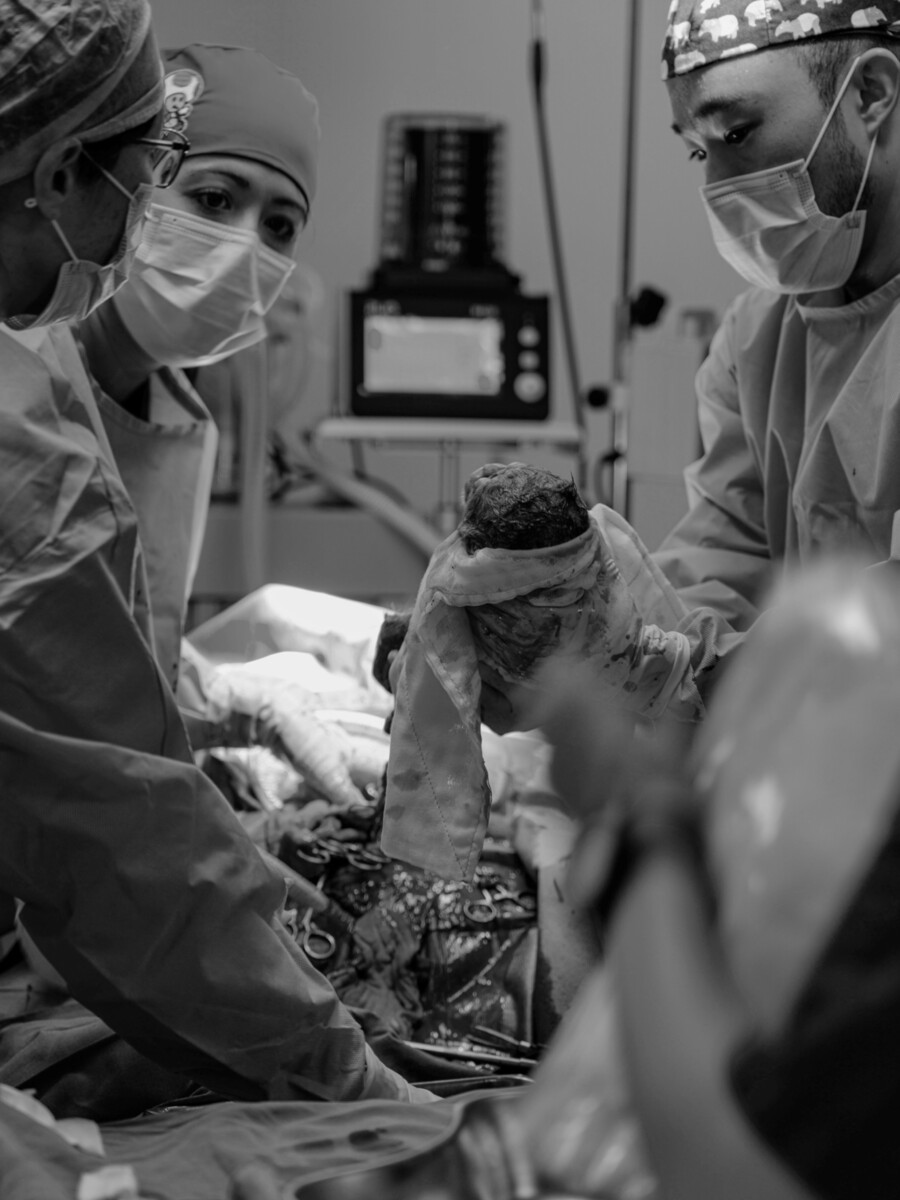
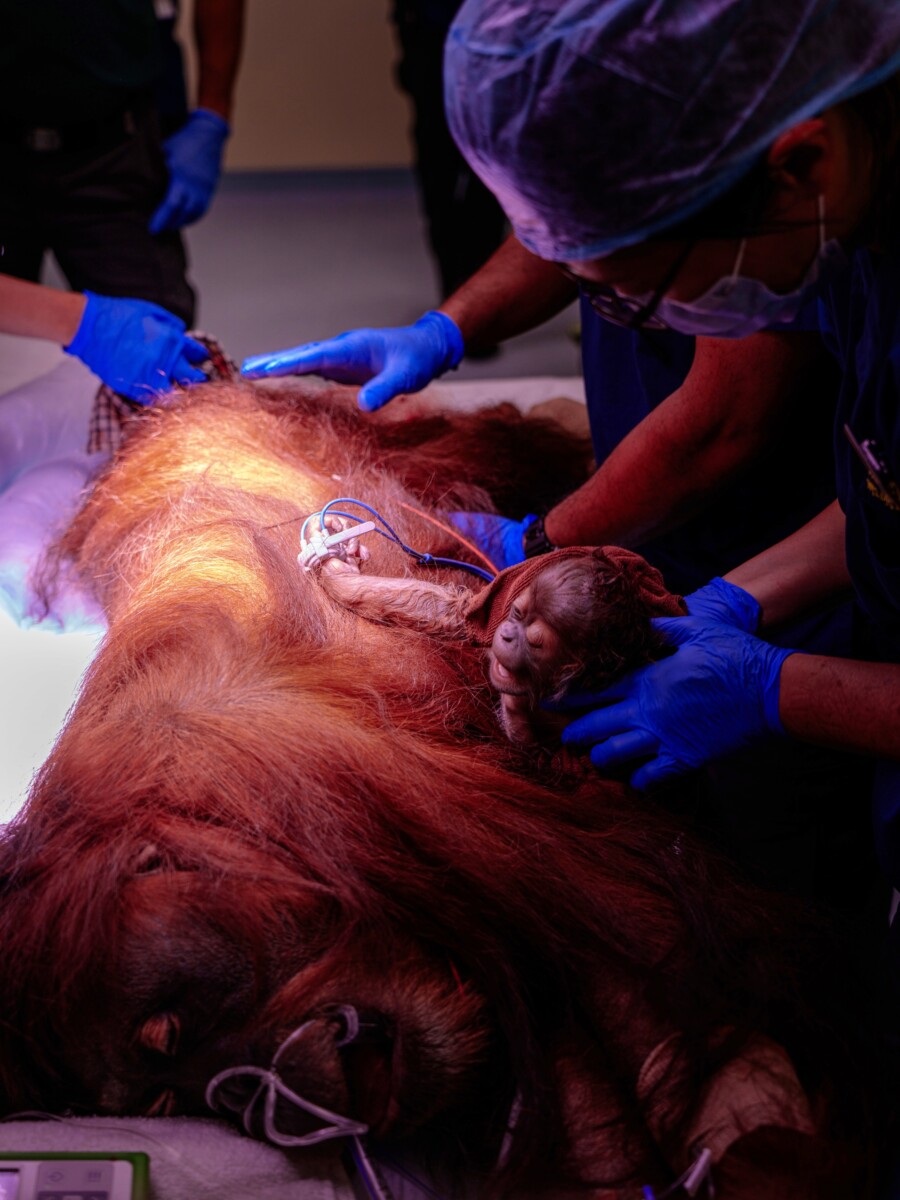
On 18 March 2026 — 233 days into Chomel’s pregnancy — Mandai Wildlife Group’s veterinary team were joined by an external veterinary surgical specialist, with human obstetric and neonatal specialists providing real-time consultation throughout. After 20 minutes, Ayaan was delivered successfully. He initially presented with low oxygen and heart rate, and for seven tense minutes, the teams worked to stabilise him before he was placed in an incubator.
Dr Heng Yirui, Deputy Vice President, Veterinary Healthcare & Scientific Programmes at Mandai Wildlife Group, said: “Chomel’s calm, trusting nature and cooperation with routine health examinations allowed us to monitor her closely throughout her pregnancy. When the complication arose, we carefully evaluated every option and determined that a caesarean section was the only way to give both mother and infant the best chance of survival. Seeing her immediately embrace Ayaan when she woke from surgery was an incredibly relieving moment. To our knowledge, this is the first documented case of an orangutan birth spanning artificial insemination, placenta praevia and a successful caesarean delivery.”
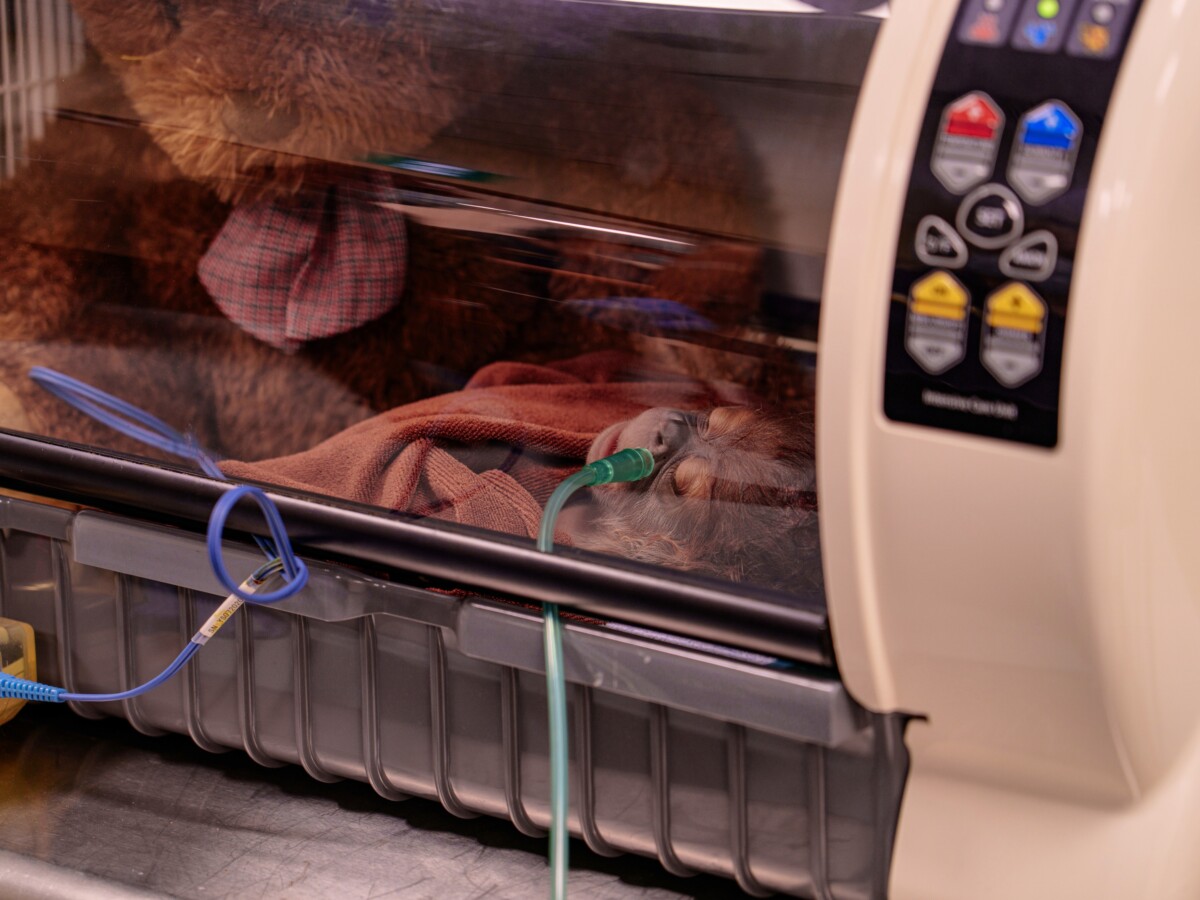
Seven Minutes That Felt Like an Eternity
Wendy Chua, Curator, Animal Data Management & Transactions and Primates, and SEAZA Species Co-Coordinator for orangutan, was part of the baby team that monitored Ayaan right after delivery. “From the beginning, the goal was to give Charlie’s genetic line the best chance of continuing. Without a successful breeding, his line would have been lost,” she said. “I was monitoring Ayaan right after delivery — his respiratory rate, his reflexes, his colour. It was the longest seven minutes I have ever experienced. Seeing both of them doing well today, there is no better outcome.”
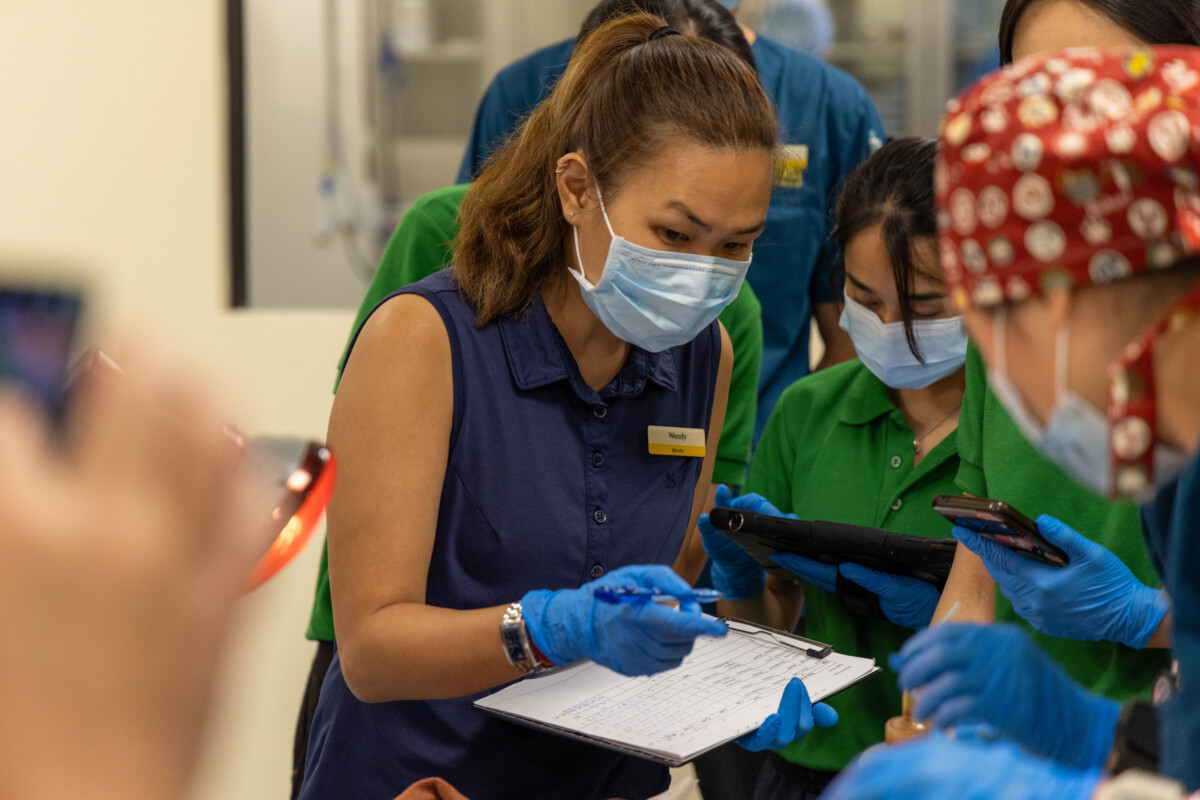
Caesarean sections in orangutans are exceptionally rare, with only around a dozen recorded cases in the United States over the past two decades. Placenta praevia is also rarely recorded in orangutans under human care, making this case particularly significant to the global body of veterinary knowledge.
Now Nursing Two Babies
Chomel took to motherhood with characteristic grace, nursing Ayaan within 24 hours of the procedure. March and April also saw the natural births of two Bornean orangutans at Singapore Zoo. One of them, Lio, was born to first-time mother Niu Li on 11 April 2026. As Niu Li experienced difficulties nursing, Chomel — known for her history of caring for infants not her own — stepped in. She accepted Lio without hesitation and is now nursing both infants simultaneously.
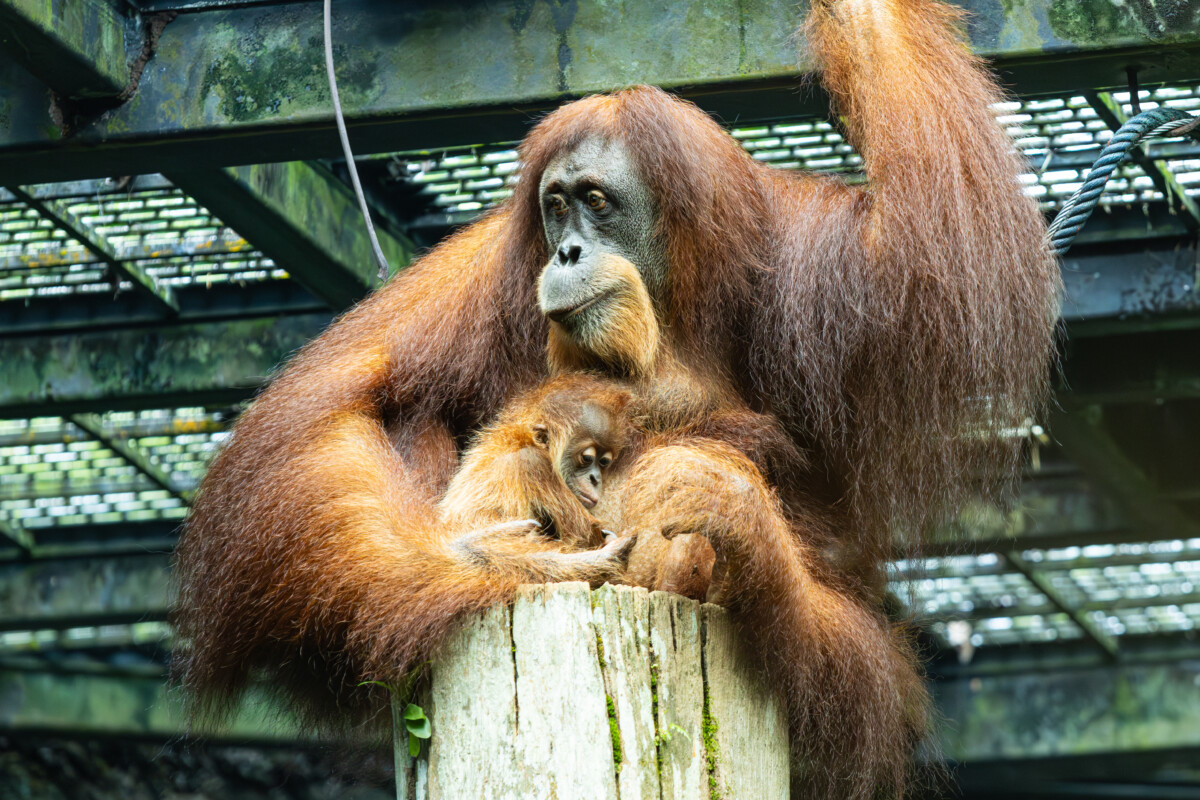
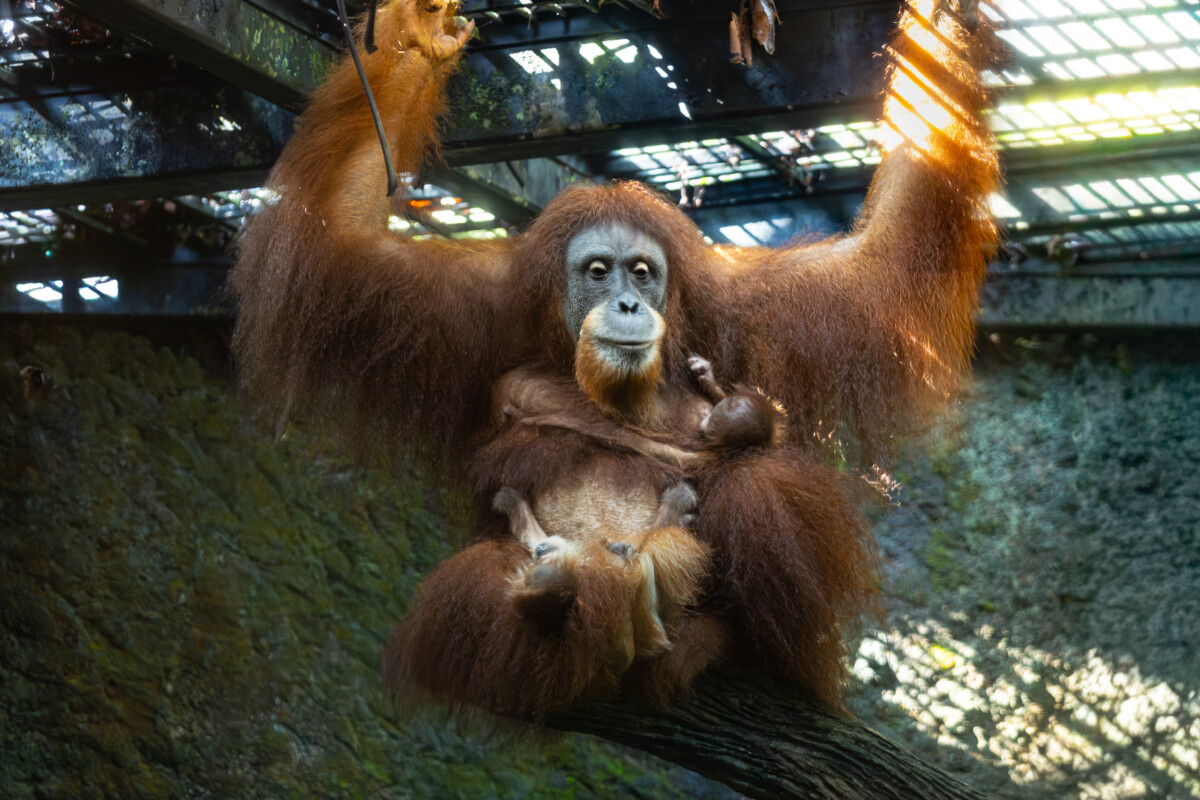
Once stabilised after delivery, Ayaan was introduced to Chomel during her post-anaesthetic recovery to initiate scent familiarisation — a critical first step in supporting mother-infant bonding.
Ah Meng’s Legacy Continues
Chomel is the granddaughter of Ah Meng, the beloved Sumatran orangutan who spent more than four decades at Singapore Zoo and became one of its most iconic residents. Ayaan’s birth extends that family line and continues an important legacy. He has been adopted by SMRT, whose support contributes to his care and Mandai Wildlife Group’s broader conservation efforts.
To give Chomel the space she needs as a nursing mother, the Sumatran orangutans are on a rotational schedule. Chomel and the babies (Ayaan, Ah Meng and Lio) will be in the exhibit from Thursday to Sunday and on public holidays; the two males, Charlie and Riau, can be seen from Monday to Wednesday.
Why This Matters for Conservation
Sumatran orangutans are listed as Critically Endangered on the IUCN Red List, with wild populations continuing to decline due to habitat loss, the illegal pet trade, and human-wildlife conflict. Managed populations in accredited zoos serve as an increasingly important genetic safety net for the species, and Ayaan’s birth represents a significant contribution to those long-term conservation efforts.
You can visit Chomel and Ayaan at Singapore Zoo from Thursday to Sunday and on public holidays. Plan your visit at mandai.com.