
If your weekends often involve a JB food run or a Legoland trip with the kids, the RTS Link is the cross-border project worth watching in 2026. The Johor Bahru-Singapore Rapid Transit System is a short driverless MRT line built to move commuters over the Straits of Johor in minutes, and it is edging towards its long-awaited opening. Here is what Singapore travellers should know about the route, the expected fares, and how to plan around it.
What the RTS Link actually is
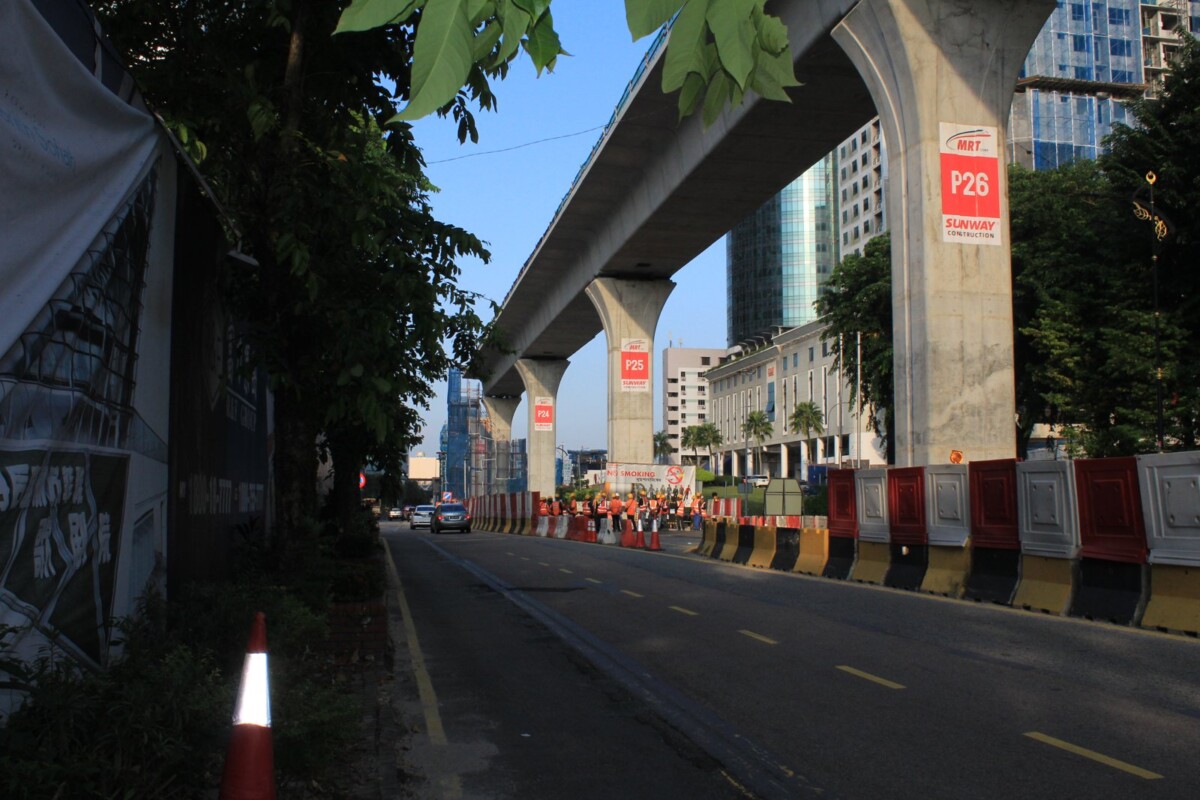
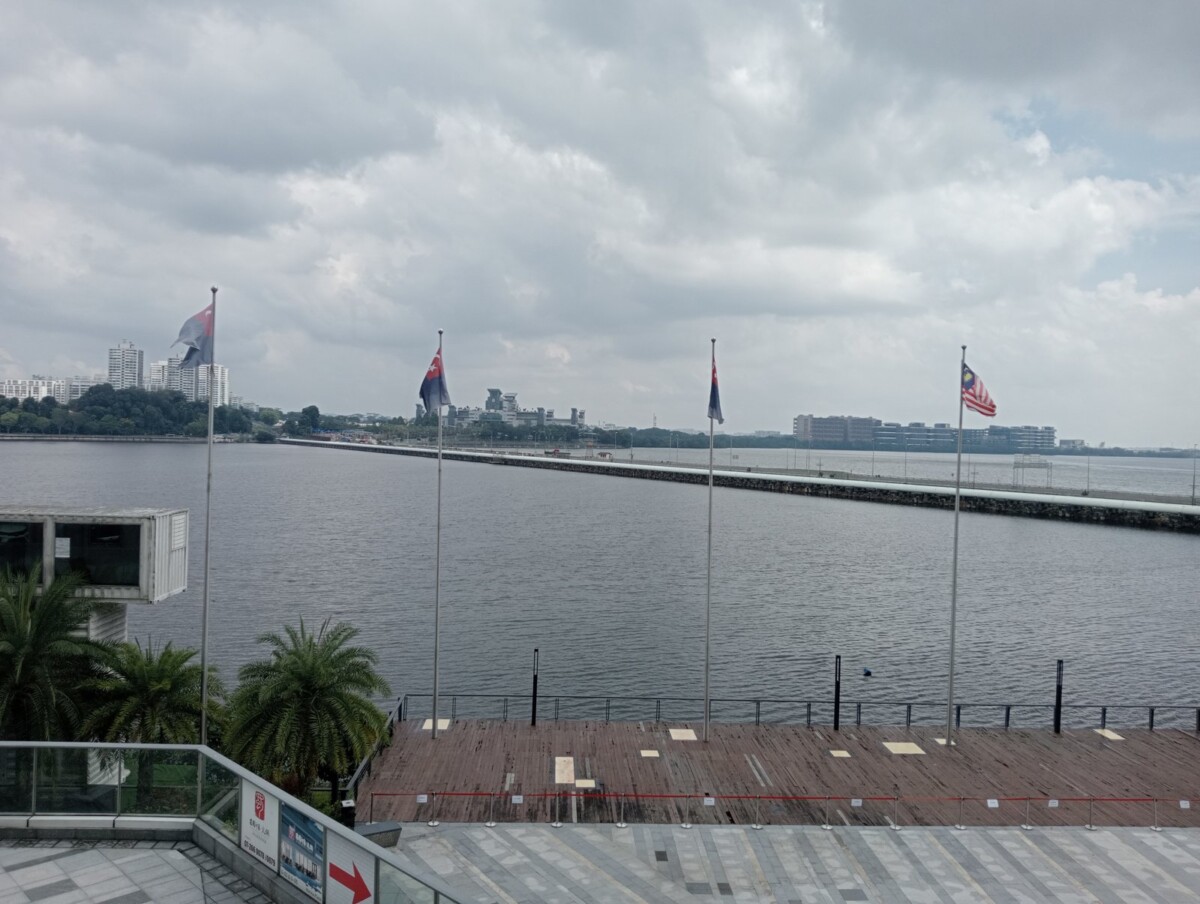
The RTS Link is a 4km cross-border rail line connecting Woodlands North in Singapore to Bukit Chagar in Johor Bahru. On the Singapore side, Woodlands North already sits on the Thomson-East Coast Line, so you can ride the MRT straight to the crossing. On the Johor side, Bukit Chagar is a short walk from JB city centre and close to JB Sentral.
The headline number is the one everyone quotes: the end-to-end journey takes about five minutes. The service is driverless, operated by RTS Operations Pte Ltd (a joint venture between Singapore’s SMRT and Malaysia’s Prasarana), and is reportedly designed to carry up to 10,000 passengers per hour in each direction once fully ramped up. That is the scale needed to take real pressure off the Causeway.
The best part: clear immigration once
The feature most Singapore travellers will care about is co-located immigration. You clear both countries’ checks once, at your departure station, before you board. That means no second queue after you arrive, which is the exact pain point anyone who has crawled across the Causeway on a Friday evening will recognise. For foot commuters and day-trippers, this is the single biggest change the RTS Link brings.
RTS Link fares: what to expect
Official fares had not been gazetted at the time of writing, and are expected to be confirmed in the second half of 2026 ahead of launch. Based on reporting so far, one-way fares are expected to land in the region of S$5 to S$7 (roughly RM15.50 to RM21.70). Treat those figures as indicative until the operator publishes the final structure.
For context, that is more than a Causeway bus ride but buys you a predictable five-minute crossing with a single immigration stop, which is a very different proposition on a peak-hour weekend. Whether it works out cheaper overall depends on how you currently cross and how much your time is worth to you.
When does the RTS Link open?
Both governments have consistently pointed to the end of 2026 as the target for the RTS Link to be ready, with passenger service widely reported as beginning around December 2026 or early 2027 as systems testing wraps up. Cross-border infrastructure dates have shifted before, so take this as a target rather than a fixed promise. A first-train demonstration run was completed at Woodlands North earlier in 2026, which is a good sign that testing is progressing.
How to plan your JB trips around the RTS Link
It suits foot travellers most
If you drive across for a Desaru weekend or to load up the boot at a hypermarket, the RTS Link will not replace your car. It is built for people crossing on foot: day-trippers, students, workers and weekend foodies. The best trips to pair with it are the ones where you arrive in JB city and get around by ride-hailing or local transport.
Where Bukit Chagar drops you
Bukit Chagar puts you within walking distance of central JB and close to JB Sentral, so onward connections to malls, the night markets and KTM trains are straightforward. If you are already comfortable getting around JB by local bus, our BAS.MY Johor Bahru route planner is worth a read for working out the last mile once you exit the station.
Build it into a bigger Malaysia trip
The RTS Link also makes JB a smoother launchpad for the rest of the peninsula. From JB Sentral you can pick up onward rail and coaches deeper into Johor or up towards Melaka. If you are still deciding what kind of trip to build, our guide to choosing between Johor’s city, coast and highlands helps you match the destination to your budget, and our Melaka weekend getaway guide covers the classic two-day heritage run.
Practical tips before the RTS Link opens
A few things worth doing now. Keep your travel documents current, since co-located immigration still means passport control, just in one place. Have a plan for ringgit and payment cards, as onward transport and food in JB will still need local payment. And do not ditch your usual Causeway routine on day one: bus and car crossings will keep running, and the RTS Link will take time to settle into a reliable rhythm. Once fares and the exact start date are gazetted in the second half of 2026, it is worth doing the maths for your specific crossing pattern.
The bottom line
For Singapore travellers who cross to JB on foot, the RTS Link is a genuine upgrade: a five-minute ride, one immigration stop, and an expected one-way fare of around S$5 to S$7. The dates and prices are targets rather than guarantees for now, but this is the cross-border project most likely to change how you plan your weekends in 2026. Keep an eye on the official fare announcement later this year, and get your documents and ringgit sorted so you are ready to ride from day one.