Singapore is now officially a super-aged society, and one charity has turned to something unexpected to keep older residents curious: building bricks. Antica Community Development and Services Limited (ACDS) has launched a brick-building pilot for seniors with senior care centre Lucky Haven and Dr Kelvin Tan from the Singapore University of Social Sciences (SUSS), testing whether creative play can open up new ways for older adults to learn, express themselves and connect.
Why brick-building, and why now
According to the National Population and Talent Division’s Population in Brief 2026 report, 21.4% of Singapore citizens are now aged 65 and above, up from 13.7% in 2016. That shift has pushed more community groups to look beyond passive care towards activities that keep seniors learning and engaged. If you want the wider context on ageing and health policy, see our guide to Healthier SG in 2026.
Dixon Lim, Executive Director of ACDS, said active ageing must go beyond “keeping seniors occupied with passive routines”. He noted that an activity first seen as child’s play sparked enthusiasm and collaboration, and even requests for more complex builds such as aeroplanes and houses.
What happened at Lucky Haven
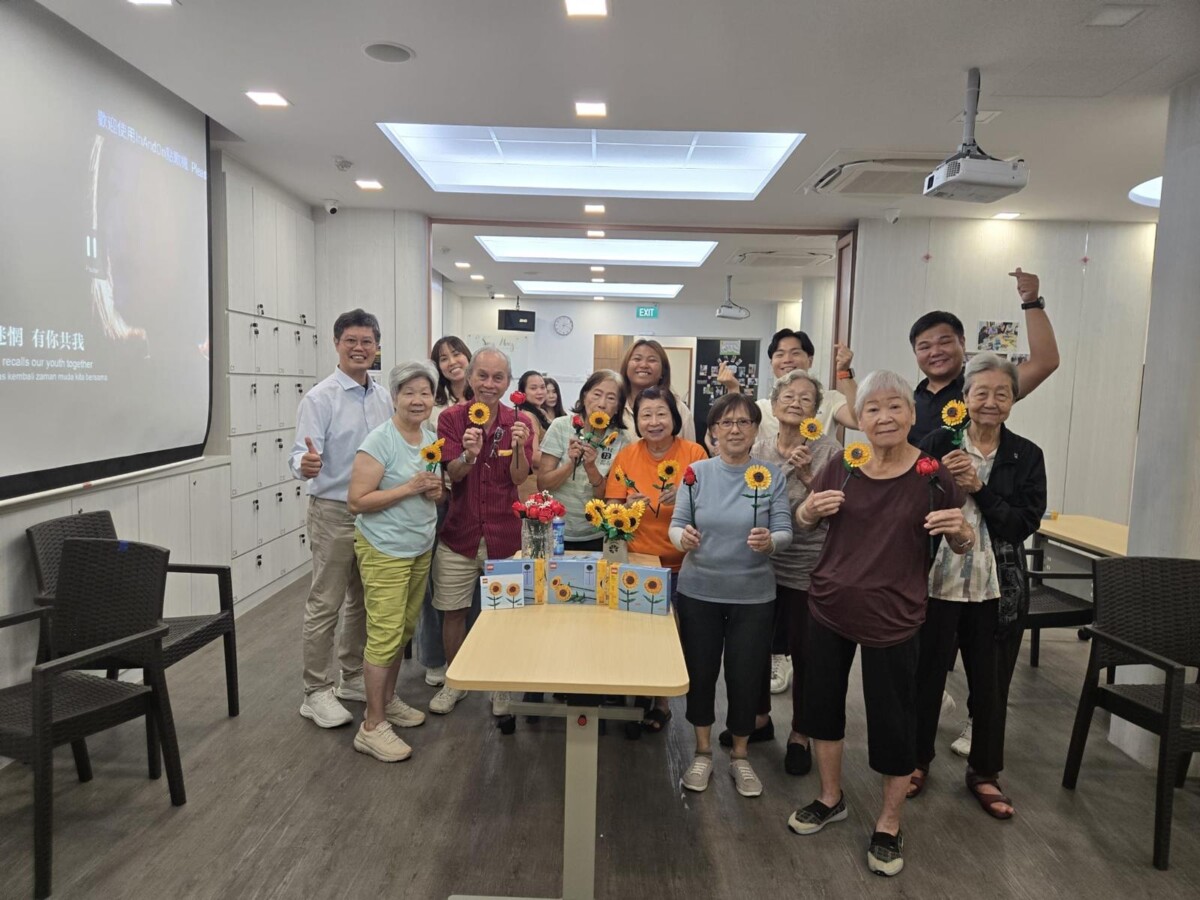
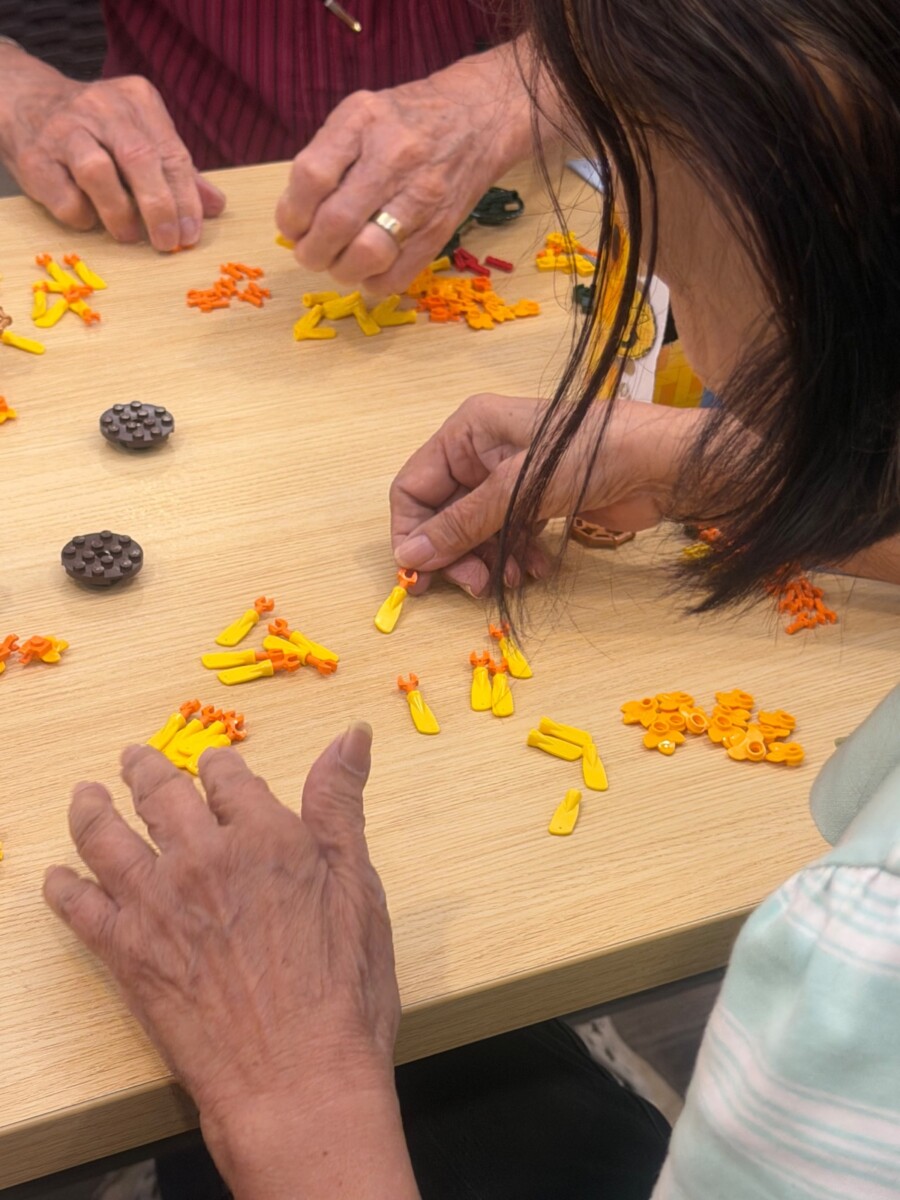
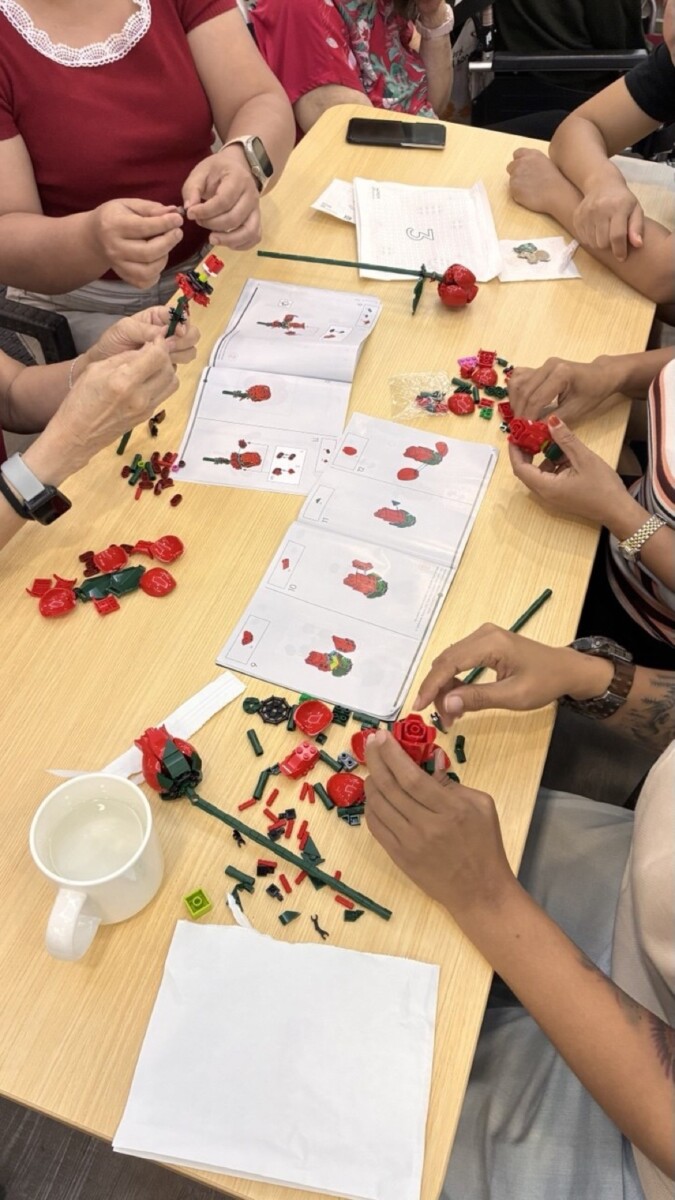
The pilot ran over four sessions at Lucky Haven in Bedok South. Seniors built sunflower models from building bricks, working on their own or alongside peers, spouses and caregivers. Rather than centring on physical activity, as many active ageing programmes do, the sessions focused on hands-on problem-solving and social interaction.
Four early observations from the pilot
- Curiosity and expansion: seniors asked for more complex tasks and tried alternative ways of assembling beyond the standard instructions.
- Organic peer support: participants swapped ideas, compared techniques and helped one another through tricky steps.
- Autonomy and independence: working at their own pace, seniors decided when to ask for help and how to approach each build.
- Pride of completion: finished models drew visible pride and strong interest in future creative sessions.
Dr Kelvin Tan, Associate Professor of Gerontology Programmes at SUSS, said the early observations suggest colourful brick-building can encourage problem-solving, social interaction and a sense of accomplishment. He described the insights as preliminary but a useful foundation for further research into how community-based activities can foster a stronger sense of belonging among older adults.
What this means for community programmes
The organisers stress that this is an exploratory pilot, not a finished programme. Still, the takeaway is a simple one: offer older adults activities based on their interests, rather than assuming what they will or will not enjoy at a certain age.
The pilot follows OneSG61 with Antica, the National Day badminton tournament and inclusive carnival that drew more than 5,000 attendees over two days. ACDS supports seniors, youths, former offenders and adults with intellectual disabilities. You can read about another inclusion-focused effort in our piece on the ActiveSG gym orientation for persons with disabilities. More information on ACDS is at antica.sg.