LumiHealth ends on 31 May 2026, and that date now matters more than the old excitement around rings, quests and rewards. The Health Promotion Board says the programme, created with Apple and launched in 2020, has helped more than 377,000 Singaporeans adopt healthier habits over six years. The wind-down means existing users should treat May as a clean-up month: check eVouchers, move useful routines to Healthy 365, and avoid losing rewards because the app quietly leaves your daily rhythm.
HPB’s closure announcement gives the bigger picture. LumiHealth was a personalised digital health programme covering physical activity, sleep, nutrition and mental well-being. HPB says low-activity users increased weekly exercise minutes by about 54%, while users with a BMI of 23 and above saw a 26% increase. Those numbers are useful because they show the programme’s main lesson: small digital nudges work best when they become ordinary habits.
The Key Date Is 31 May
The LumiHealth closure page says the programme will end on 31 May 2026 and is no longer accepting new sign-ups. Coins could be earned only until 31 March, and coins had to be redeemed by 30 April. The remaining practical issue for existing users is eVoucher use, because all active eVouchers expire no later than 31 May.
That means this is not the week to assume rewards will sit safely in the app. Open LumiHealth, check the Awards tab, note each eVoucher’s expiry date and decide where to use it. HPB eVouchers are not cash and cannot be stretched beyond the programme rules, so the least dramatic approach is to settle them before the final week.
Why Healthy 365 Is The Next Stop
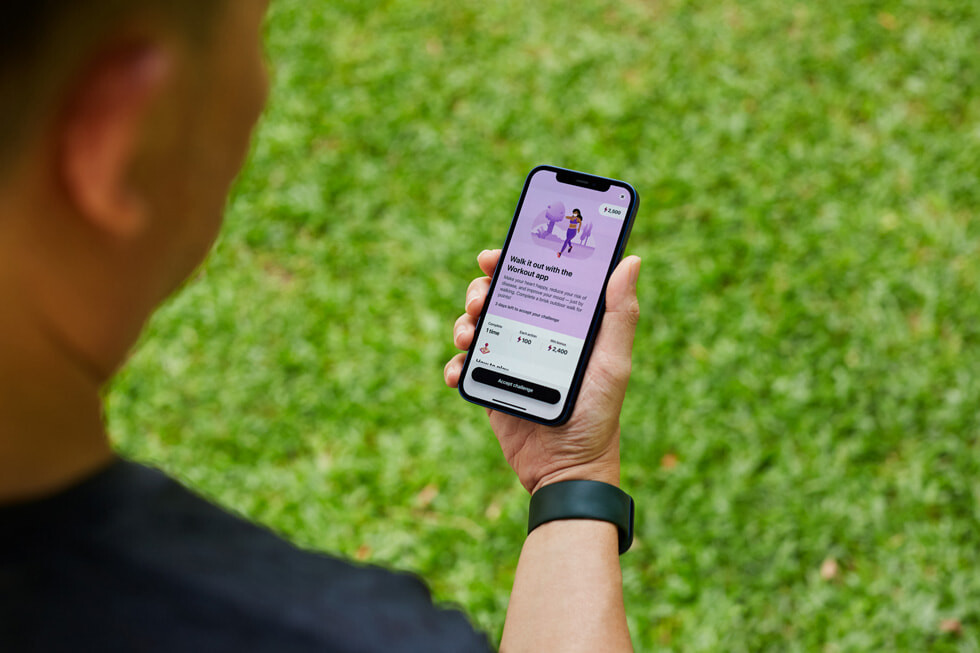
HPB is directing users to Healthy 365, its national digital lifestyle platform. The agency says Healthy 365 supports physical activity, nutrition, mental wellness and sleep, while also offering programmes, resources, activity classes, workshops and rewards. For many users, the most important part is continuity: do not let the closure of one app break a routine that was working.
The transition will feel different because LumiHealth was built around Apple Watch and a specific programme experience. Healthy 365 is broader and more national in scope. That may make it less personal for some users at first, but it also connects to wider HPB programmes and Healthier SG-linked healthy living features.
Keep The Habit, Not Just The Streak
A common mistake with gamified health apps is to confuse the streak with the behaviour. Closing rings, completing quests and earning coins can be motivating, but the real gain is the walk after dinner, the earlier bedtime, the lower-sugar drink, or the decision to check blood pressure regularly. When the app ends, those actions still matter.
Jade Yeo’s practical test is simple: write down the three LumiHealth habits that genuinely changed your week. If they were steps, schedule walking routes. If they were sleep prompts, keep the bedtime alarm. If they were nutrition quests, choose the exact breakfast or lunch change you want to keep. Make the replacement concrete.
What The Numbers Say About Digital Health
HPB’s data suggests LumiHealth did more than hand out rewards. The programme engaged users with multi-week quests, chronic-condition support, hypertension and diabetes-related challenges, and prompts across sleep, nutrition and mental well-being. HPB also highlighted Swiss Re analysis suggesting sustained physical activity improvements could reduce mortality risk in different participant segments.
That does not mean an app replaces a doctor, a screening appointment or a long-term care plan. It means the small layer between intention and action can be powerful. Singapore’s challenge now is to carry the useful parts of LumiHealth into wider public health tools without losing the personal nudge that made the programme sticky.
Jade Yeo’s Wellness Take
I would use the closure as a habit audit. If LumiHealth helped you move more, sleep earlier or pay closer attention to food choices, keep the routine even if the reward disappears. The healthiest outcome is not squeezing one last voucher out of the app; it is proving that the behaviour can survive without the app.
For users managing chronic conditions, do not rely on a wellness app as the only tracking system. Keep appointments, use official health records where relevant, and speak to your doctor about the measurements that matter for you. The app can support behaviour, but care still needs proper medical context.
A Small Reset For Former Users
The cleanest reset is to separate rewards from routines. Open LumiHealth, check whether any active eVoucher remains, and use it before the final expiry if it is still eligible. After that, look at the habits the app actually changed. If you walked more because the prompts were timely, set a recurring walk in your calendar. If sleep nudges helped, keep the bedtime alarm rather than waiting for a new app to tell you.
Healthy 365 will not feel exactly like LumiHealth, especially for users who liked the Apple Watch quests. That does not make the switch pointless. Use it for HPB’s broader programmes, activity challenges and healthy-living resources, then decide which reminders are worth keeping on your phone or watch.
For families, check this with older relatives who may not follow app notices closely. A five-minute look at the Awards tab is enough to avoid the most frustrating outcome: finding an unused voucher only after the programme has closed.
The Practical Move This Week
Open LumiHealth, check every remaining eVoucher, use it before 31 May if eligible, and set up Healthy 365 if you want HPB’s next official platform. The cleaner you make the transition now, the less likely you are to lose either rewards or useful health habits.
Related on Little Big Red Dot: CPF interest rates guide, Workforce And Skills Singapore guide, DBS Agoda flights deal.
Official links: HPB LumiHealth closure announcement, LumiHealth closure page, Apple LumiHealth feature.