Health and wellness in Singapore is undergoing a quiet but significant transformation. Gone are the days when getting healthy meant crash diets, brutal gym sessions, and counting every calorie. In 2026, more Singaporeans are adopting a more nuanced, sustainable, and personalised approach to wellbeing — one that encompasses physical health, mental resilience, sleep, and even spiritual balance.
Here is a look at the wellness trends that are shaping how Singaporeans live, work, and take care of themselves this year.
1. Sustainable Fitness Over Short-Term Results
The era of the crash diet and the extreme slimming programme is fading. A growing number of Singaporeans are recognising that rapid weight loss often comes at a cost: rebound weight gain, fatigue, hormonal disruption, and a damaged relationship with food. What is taking its place is a focus on long-term, sustainable lifestyle change.
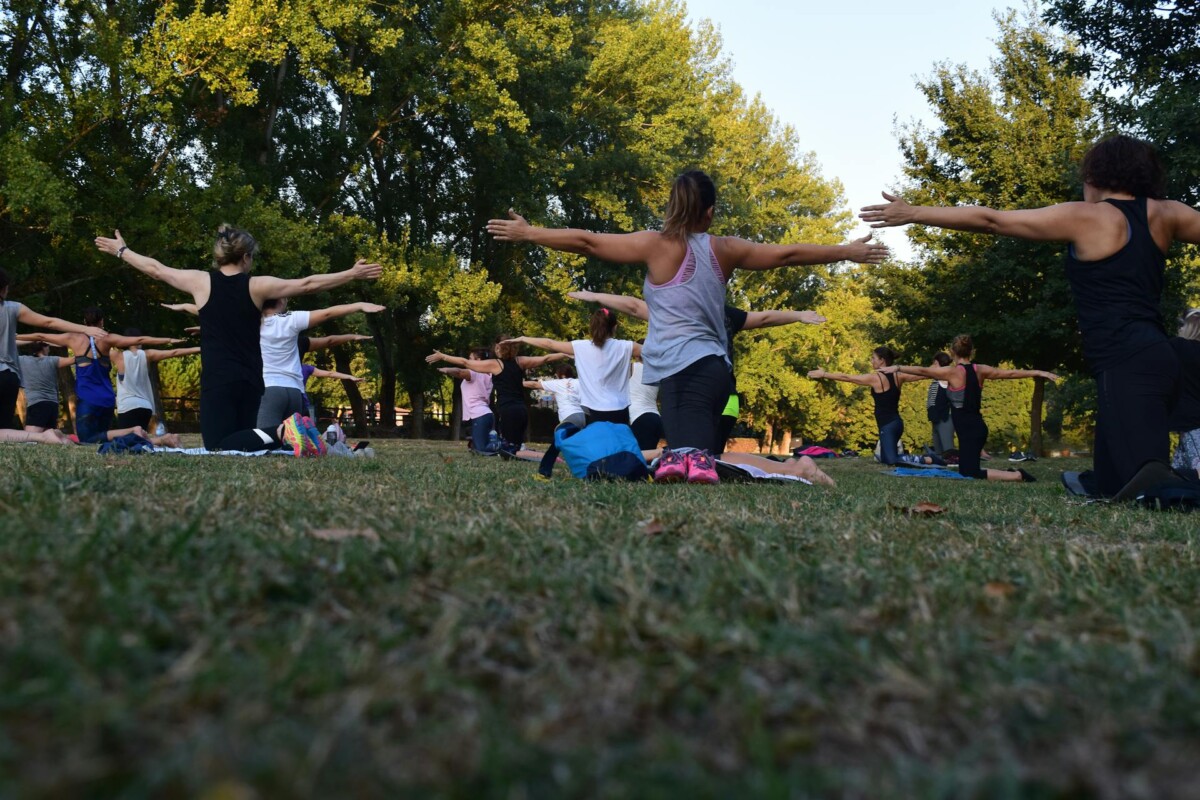
This shows up in how people exercise too. Instead of the brutal boot camp or the punishing HIIT class five days a week, many Singaporeans are gravitating towards lower-impact, higher-enjoyment activities — walking, cycling, yoga, pilates, and recreational sports. The goal is no longer to “suffer your way” to a result; it is to build habits that actually last.
2. Mental Health Is Now a First-Order Priority
Perhaps the most important shift in Singapore’s wellness landscape is the growing seriousness with which people are treating mental health. This is no longer a topic discussed in hushed tones. Employers are beginning to integrate mental health days, resilience training, and emotional intelligence development into workplace programmes. There is a growing recognition that emotional stability is not just a personal matter — it is a core life skill and a workforce issue.
Singapore’s National Mental Health Strategy, refreshed in 2024 and now in its implementation phase, has made community-level mental health resources more accessible. The government’s Beyond the Label campaign continues to reduce stigma around seeking help. And the rise of affordable teletherapy platforms has put professional mental health support within reach for people who might previously have avoided it due to cost or inconvenience.
If you are feeling persistently stressed, burnt out, or emotionally flat, speaking to a professional is increasingly normalised — and you are far from alone.
3. Sleep Is Getting the Respect It Deserves
Sleep used to be treated as a luxury in Singapore’s productivity-obsessed culture. That is changing. A wave of research, public health campaigns, and frankly the lived experience of many Singaporeans has shifted the conversation. Sleep quality is now recognised as foundational to physical health, cognitive performance, and emotional regulation.
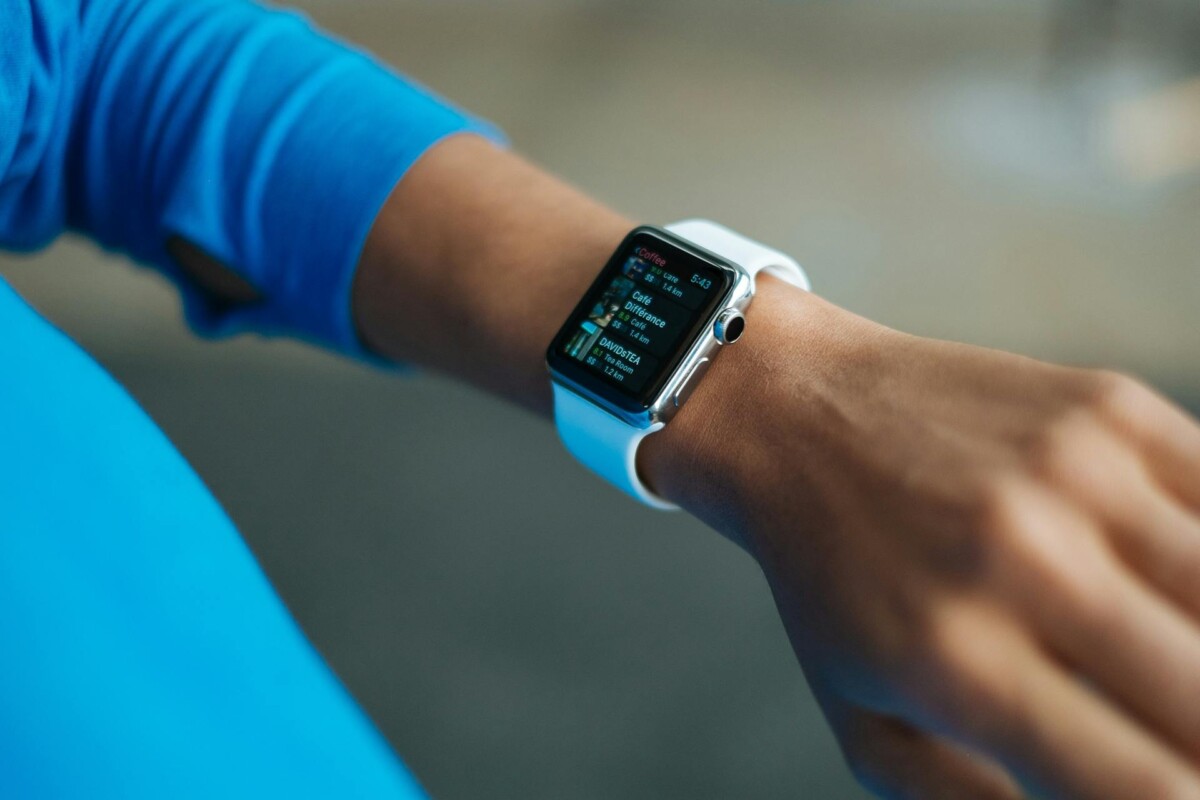
Wearables like the Apple Watch, Fitbit, and WHOOP band now track sleep stages, recovery scores, and heart rate variability. Singaporeans are increasingly using this data not to obsess over numbers, but to make practical adjustments to their sleep habits — earlier wind-down routines, less screen time before bed, and more consistent wake times.
4. Personalised Wellness: One Size No Longer Fits All
One of the most significant trends in Singapore’s wellness scene in 2026 is the move towards personalisation. People are increasingly seeking programmes, diets, fitness plans, and even supplements that are tailored to their specific body type, health conditions, genetic profile, and lifestyle — rather than generic advice.
This is partly driven by greater consumer awareness and partly by technology. Companies offering DNA-based nutrition analysis, gut microbiome testing, and personalised exercise programming have seen strong uptake. Clinics and wellness centres are offering more comprehensive initial assessments before prescribing any programme.
The takeaway: if something is not working for you, it may not be a failure of willpower — it may just be the wrong approach for your biology and circumstances. Personalised wellness is about finding what actually works for you.
5. Digital Health and Telemedicine Are Mainstream
Telemedicine, once a niche offering, is now a normal part of how many Singaporeans access healthcare. Platforms like Doctor Anywhere, MyDoc, and Speedoc have normalised the idea of consulting a doctor via video call for non-emergency conditions. This removes friction and wait time from routine healthcare, making it easier to address health issues early rather than letting them escalate.
AI-assisted diagnostics and remote monitoring are also becoming more common, particularly for chronic disease management. Patients with conditions like hypertension, diabetes, or asthma can now have their metrics monitored remotely and receive proactive interventions without frequent in-person visits.
6. Preventative Care: Getting Screened Before You Feel Sick
AscendCare Medical Clinic recently launched a public awareness initiative to normalise regular health screenings in Singapore. The campaign addresses a persistent issue: many Singaporeans delay or avoid health screenings due to fear, cost concerns, or simple inertia — only to face more serious health consequences later.
The Singapore government’s Screen for Life programme subsidises screenings for chronic conditions like diabetes, hypertension, and cervical cancer. Subsidised rates are available at polyclinics and participating GP clinics. If you have not had a basic health screen in the past year, it is worth booking one.
For more information and to find a participating clinic near you, visit HealthHub.sg.
7. Holistic and Traditional Wellness: Integration, Not Replacement
Traditional and holistic wellness practices — acupuncture, Traditional Chinese Medicine, Ayurveda, meditation, and breathwork — are finding a new generation of practitioners in Singapore. These are no longer seen as alternatives to modern medicine but as complementary practices that address dimensions of health that conventional care does not always cover.
The shift is notable in how wellness centres now position themselves. The wellness hubs opening across Singapore increasingly combine modern fitness infrastructure with mindfulness studios, TCM clinics, and nutrition counselling under one roof. For Singaporeans looking for a more integrated approach to their health, these spaces offer something the gym alone cannot.
Small Steps, Big Impact
What is most encouraging about Singapore’s 2026 wellness landscape is that it is moving away from extremes. The message is increasingly: you do not need to be perfect to be healthy. Regular movement, adequate sleep, genuine social connection, a reasonably balanced diet, and the courage to ask for help when you need it — these basics, done consistently, make a bigger difference than any single “wellness hack” or trending supplement.
Singapore’s infrastructure for healthy living is genuinely excellent. With more than 400km of park connectors, an extensive network of ActiveSG facilities, subsidised health screenings, and a growing digital health ecosystem, the tools are there. The 2026 wellness trend is simply about using them — and doing so in a way that is sustainable, personalised, and kind to yourself.