Workforce and Skills Singapore is the name workers should start getting familiar with as Singapore brings Workforce Singapore and SkillsFuture Singapore closer together. The announced merger is meant to create a more integrated jobs-skills system, where training, career planning and job matching are less fragmented for workers and more responsive for employers.
For everyday readers, the important point is simple: training only matters when it improves career options, and job matching works better when it understands skills. The WSG-SSG merger is designed to close that gap. It comes at a time when AI, automation, ageing and global volatility are changing what employers need and how workers plan their next move.
Why The Merger Matters
Singapore has spent years encouraging lifelong learning, but workers often experience career support in separate pieces. One portal may help with courses, another with jobs, another with employer schemes. A merged agency is meant to make that journey more coherent.
The MOM-MOE statement said existing services would continue during transition, which matters because jobseekers and learners cannot pause their plans while agencies reorganise. The promise is no service disruption, followed by stronger integration when the new board is ready.
The real test will be whether a worker can move from career diagnosis to training choice to job opportunity without feeling passed from one system to another.
What Workers Should Watch
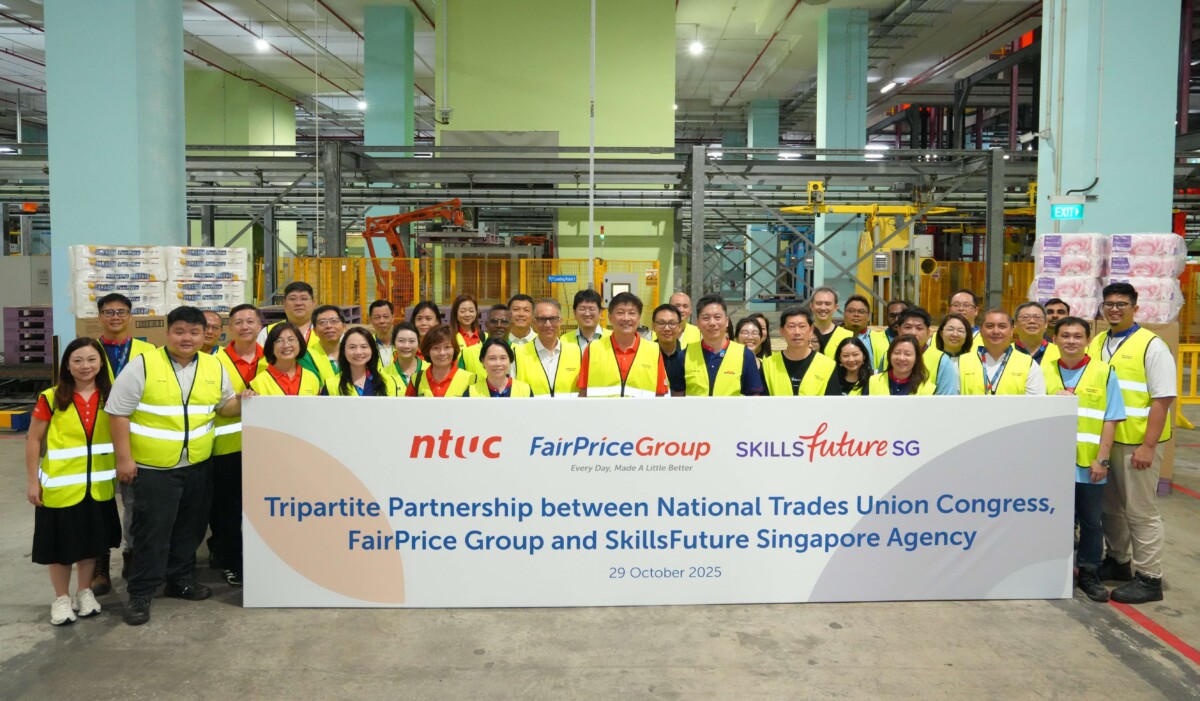
Workers should watch for clearer guidance on which courses are linked to real job demand. It is easy to spend SkillsFuture credits on a course that is interesting but not career-relevant. Better labour-market and skills insights should help people choose more deliberately.
Mid-career workers may benefit most if the new system connects training allowance, career coaching and job matching more tightly. A person considering a switch needs to know not only what to learn, but how that learning maps to employers and salary expectations.
Younger workers should also pay attention. Career health is not only a problem after retrenchment. It is something to maintain while employed, especially in sectors where AI is changing entry-level tasks.
What Employers Should Expect
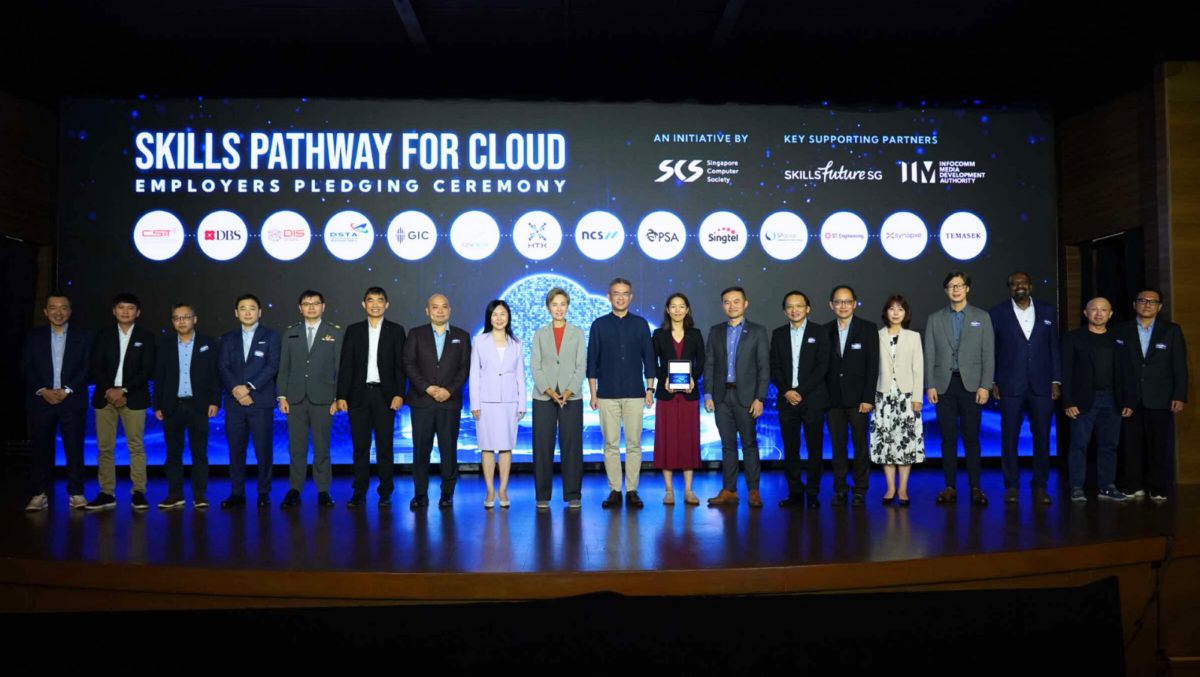
Employers are part of the story because skills gaps show up inside companies before they show up in job advertisements. A more integrated agency should help businesses identify role changes, training needs and job redesign opportunities earlier.
For SMEs, the useful support is not a long list of schemes. It is practical advice on which roles need upgrading, which training providers are suitable and how to avoid pulling staff away from daily operations unnecessarily.
Firms should prepare by documenting skills gaps clearly. If a company can explain that it needs data-literate supervisors, AI-ready customer service staff or cloud-skilled operations people, support can be targeted more effectively.
AI Makes The Timing More Urgent
AI changes the value of certain tasks quickly. Routine drafting, scheduling, basic analysis and customer responses can be assisted by software, which means workers need to move towards judgement, communication, supervision and problem framing.
That does not mean everyone must become a programmer. It means more people need enough digital confidence to work with AI tools safely and productively. A jobs-skills agency should make those pathways easier to understand.
The merger also matters for sectors where technology adoption is uneven. Some companies are advanced, while others are still deciding where to begin. Workers should not be trapped by that unevenness.
How To Use This Shift Now
Before signing up for a course, write down the job outcome you want. Is the aim to stay employable in your current role, move into a related role, or switch sectors? The answer should affect the course you choose.
Use official career and skills tools to compare course relevance, not just course titles. A trendy title is less useful than a programme connected to real vacancies, recognised credentials or workplace projects.
If you are an employer, start with one team. Choose a workflow that needs redesign, define the skills gap, then look for support. A focused project is more likely to succeed than a company-wide slogan about transformation.
The Practical Takeaway
Workforce and Skills Singapore should make career support feel more joined up if the merger delivers on its promise. Workers should use the transition to plan training around job outcomes, while employers should define skills gaps before asking for help.
Rachel Ng’s Career Take
I would use the merger as a reminder to connect every course decision to a job outcome. The common mistake is choosing training because the title sounds future-facing, then realising later that employers do not value it in the way you expected. Workers should start with the role they want to protect or move into, then look for official career guidance, recognised credentials and employer demand. Employers should do the same in reverse: define the skills gap first, then choose training that changes how work is actually done.
Related on Little Big Red Dot: CPF interest rates guide, IMDA AI Innovation Challenge, DBS Shopee 5.5 deal.
Official links: MOM-MOE statement on WSG and SSG merger, SkillsFuture Singapore.