The Healthier Dining Grant is worth a fresh look in 2026 because Singapore F&B operators are being pushed from several directions at once: customers want better choices, manpower remains tight, costs are still watched closely, and healthier eating is no longer a niche request. The Health Promotion Board’s Healthier Dining Programme gives restaurants, cafes, food courts and chains a structured way to make better-for-you meals easier to spot and easier to buy.
This is not only a public health story. For business owners, the practical question is whether healthier menu changes can also improve branding, ordering flow and repeat visits. HPB says the Healthier Dining Programme has expanded healthier food and drink options across more than 300 brands and over 2,600 touchpoints, which means the customer behaviour is no longer theoretical. The grant angle matters because a menu change often needs recipe work, point-of-sale updates, staff communication and marketing support before it becomes visible to diners.
What The Grant Is Trying To Change
The strongest reading of the Healthier Dining Grant is that it is designed to move healthier eating from a hidden option to a normal ordering choice. Diners are more likely to choose better meals when they can see the option clearly, understand the substitution and trust that taste has not been sacrificed. That is why the programme talks not only about healthier ingredients but also about how options are presented.
For F&B operators, this means the grant should not be treated as a one-off claim exercise. It works best when linked to a menu plan. A stall might reformulate a popular dish, a cafe might make lower-sugar drinks easier to order, and a restaurant group might standardise healthier options across multiple outlets. The commercial value appears when those changes become repeatable.
Where POS And Menu Design Matter

One useful part of HPB’s programme page is the emphasis on point-of-sale enhancement. That detail matters because many healthy choices fail at the last step. If the cashier cannot explain the option, the ordering screen buries it, or delivery menus do not label it clearly, the customer may default to the familiar item. A small POS change can therefore turn a kitchen decision into an actual sale.
Operators should review the customer journey before applying. Look at the printed menu, QR menu, delivery listings, receipts, staff script and promotional panels. The grant is most useful when it supports a coherent change across these touchpoints rather than a single healthier dish that only regulars know how to find.
Why Branding Still Counts
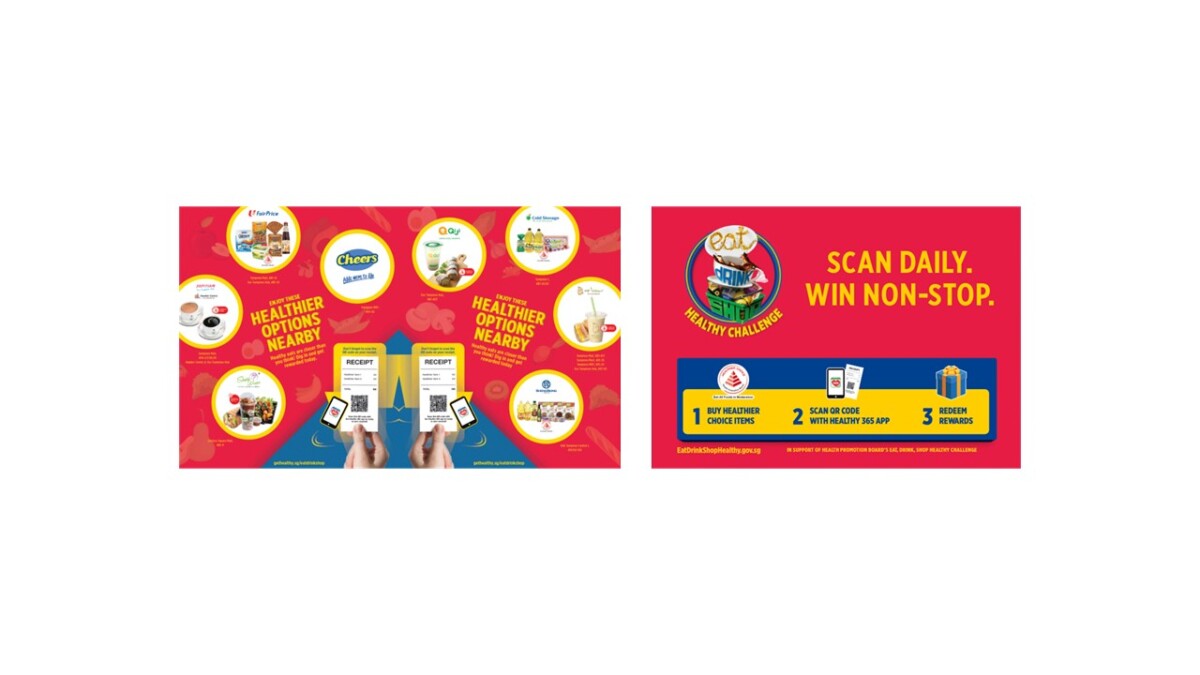
Healthier dining sometimes suffers from dull presentation. HPB’s partner examples show why that is a mistake. Diners still buy with their eyes, especially when they are choosing lunch quickly or ordering for a group. A healthier option has to look like a good meal first and a health decision second.
This is where the programme can help operators think beyond compliance. Better photography, clearer menu labels and in-store call-outs can make a lower-sugar drink or balanced meal feel like part of the brand rather than an obligation. For smaller operators, that may be the difference between a reformulated item staying on the menu or quietly disappearing.
How Small Operators Should Approach It
A small cafe or hawker-linked business should start with one or two high-volume items. The best candidates are dishes where the healthier change is easy to explain: less sugar, more wholegrains, a lighter sauce, better oil choice, or a balanced set meal. Starting small also makes it easier to track whether customers accept the change.
Owners should document the baseline before changing anything. Record the current recipe, selling price, food cost, monthly volume and customer comments. If a grant-supported change improves margin, repeat orders or weekday lunch demand, that gives the business a stronger case for expanding the approach.
Rachel Ng’s Grant Take
I would treat the Healthier Dining Grant as a business redesign tool, not just a subsidy. The operators most likely to benefit are the ones who already know which product line they want to improve and how they will measure the result. If you are vague about the customer problem, a grant will not fix the menu.
The practical move is to read HPB’s official programme details, shortlist the exact menu or POS change, then speak to the relevant programme contact before committing spending. Retrospective claims and unclear project scopes are where many grant journeys become painful.
How An Operator Might Use It
A useful Healthier Dining Grant project starts with a dish customers already buy. A rice bowl operator might test brown-rice or mixed-grain options, reduce the salt level in a house sauce, and train staff to offer the healthier version without making it sound like a punishment. A beverage kiosk might move lower-sugar choices higher on the menu and make the default sweetness clearer at the ordering screen.
The business case should be just as concrete. Track the item’s weekly sales before and after the change, note whether customers ask follow-up questions, and compare wastage against the original recipe. If the healthier version sells only when discounted, the menu still needs work. If it holds its own during lunch rush, the operator has a stronger reason to roll it out across more outlets.
For smaller F&B teams, this is also where staff briefing matters. A healthier option fails quickly if the front counter cannot explain what changed, whether the portion is different, or why the meal still tastes good. The grant can support the change, but the outlet has to make the new choice feel normal.
Best Reader Fit
The Healthier Dining Grant is most relevant for F&B operators that already have customer demand for lighter meals, lower-sugar drinks or clearer menu labelling. If you run an outlet, use HPB’s official page to confirm the current programme requirements before you spend on consultants, POS work, photography or menu changes.
Related on Little Big Red Dot: Workforce And Skills Singapore guide, May Day Rally 2026 business takeaways, CPF interest rates guide.
Official links: HPB Healthier Dining Programme.