
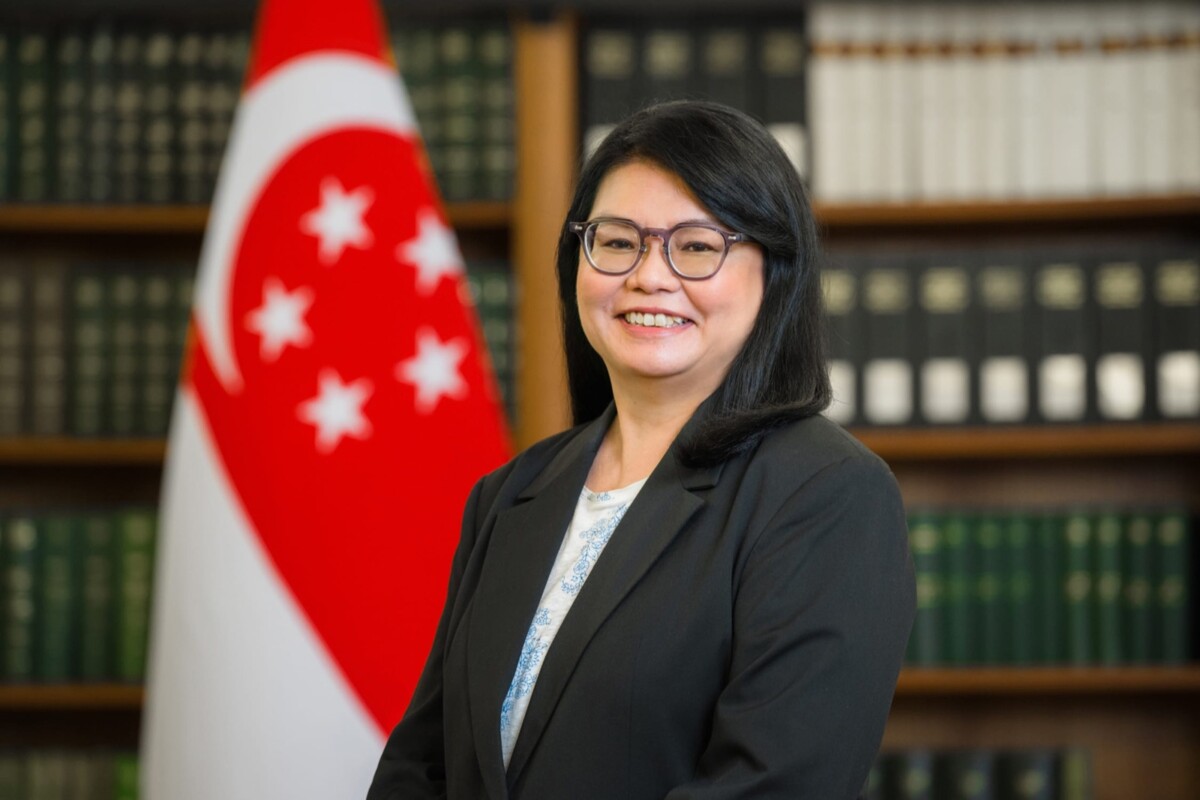
Singapore woke up on Wednesday to some genuinely historic news. Rena Lee, our Ambassador for International Law, has been elected as a judge of the International Court of Justice (ICJ) for the 2027 to 2036 term. The Rena Lee ICJ judge win makes her the first Singaporean ever to sit on the court, and the first woman from Southeast Asia to do so.
The vote took place at UN Headquarters in New York on 3 November 2026, which was the early hours of 4 November here. The Ministry of Foreign Affairs (MFA) and Ministry of Law announced the result in a joint statement, calling it “a significant milestone for Singapore”.
How the Rena Lee ICJ judge vote went
ICJ judges need an absolute majority in two places at once: the UN General Assembly and the UN Security Council, which vote separately. Five of the court’s 15 seats were up for grabs this round. Ambassador Lee cleared both bars in comfortable fashion.
- UN General Assembly: 151 of 191 votes
- UN Security Council: 13 of 15 votes
- Term: nine years, starting February 2027 and running to 2036
- Seat: one of 15 judges at the Peace Palace in The Hague
For a country our size, 151 votes is a big show of goodwill. Foreign Minister Dr Vivian Balakrishnan and Law Minister Edwin Tong SC were in New York for the vote, after hosting a reception for her on the evening of 2 November.
Who is Rena Lee?
If the name rings a bell, it is probably because of the high seas. As President of the UN conference on Marine Biodiversity of Areas Beyond National Jurisdiction (BBNJ), she chaired five years of tough negotiations. They ended in 2023 with the BBNJ Agreement, often called the High Seas Treaty, adopted by consensus. That effort also landed her on the TIME100 list in 2024.
Her CV is the kind that makes law students quietly take notes:
- More than 30 years advising the Singapore Government on international law, at the Attorney-General’s Chambers (International Affairs Division) and the Ministry of Defence
- Ambassador for Oceans and Law of the Sea Issues and Special Envoy of the Minister for Foreign Affairs, before becoming Ambassador for International Law in 2023
- Member of the Legal and Technical Commission of the International Seabed Authority from 2017 to 2022
- Member of the Permanent Court of Arbitration and the Panel of Conciliators of the International Centre for Settlement of Investment Disputes
Her areas of expertise cover the law of the sea, climate change and environmental law, international humanitarian law and human rights law. Singapore’s National Group to the Permanent Court of Arbitration first signalled her candidacy on 14 October 2024, and she was formally nominated in July 2026.
What the ICJ actually does
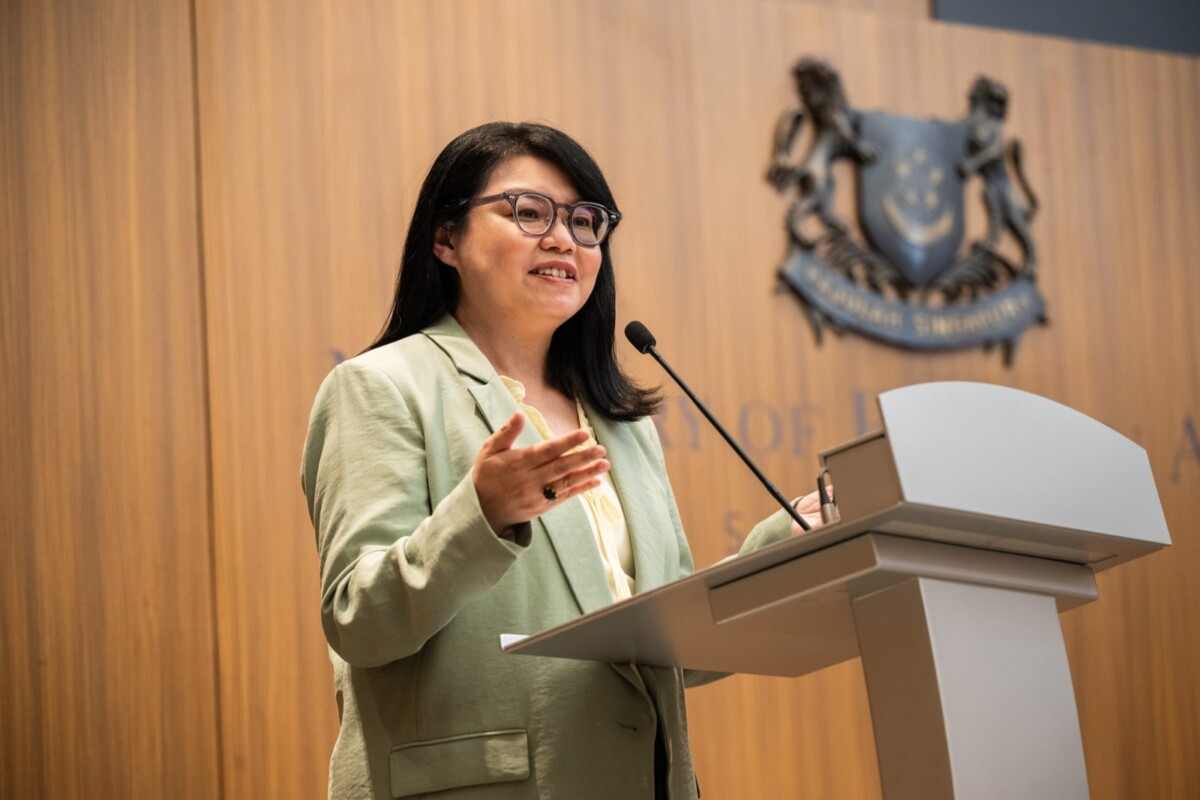
The ICJ is the UN’s main court, sometimes called the World Court. It settles legal disputes between countries and gives advisory opinions on legal questions sent to it by UN bodies and agencies. It does not try individuals, so think border rows and treaty disputes rather than criminal cases.
Singaporeans of a certain age will remember the court for Pedra Branca. In 2008, the ICJ ruled that the island, home to Horsburgh Lighthouse, belongs to Singapore, while Middle Rocks went to Malaysia. More recently, Singapore made an oral statement at the court’s public hearings on climate change.
One thing worth knowing: ICJ judges serve in their personal capacity. Ambassador Lee will not be in The Hague to represent Singapore, and she said as much, pledging to serve “with independence, impartiality and integrity”.
What the ministers said
Dr Balakrishnan called the court “an indispensable institution that upholds and advances international law” and thanked Singapore’s “many friends around the world” for their votes. Mr Tong described it as “a hard-fought campaign” and said he was confident, “without reservation”, that she would make a meaningful contribution.
Ambassador Lee said she was deeply honoured, adding that the court plays a vital role “particularly at a time of growing global uncertainty”. You can read the full joint statement on the MFA website.
Why this matters for a small country
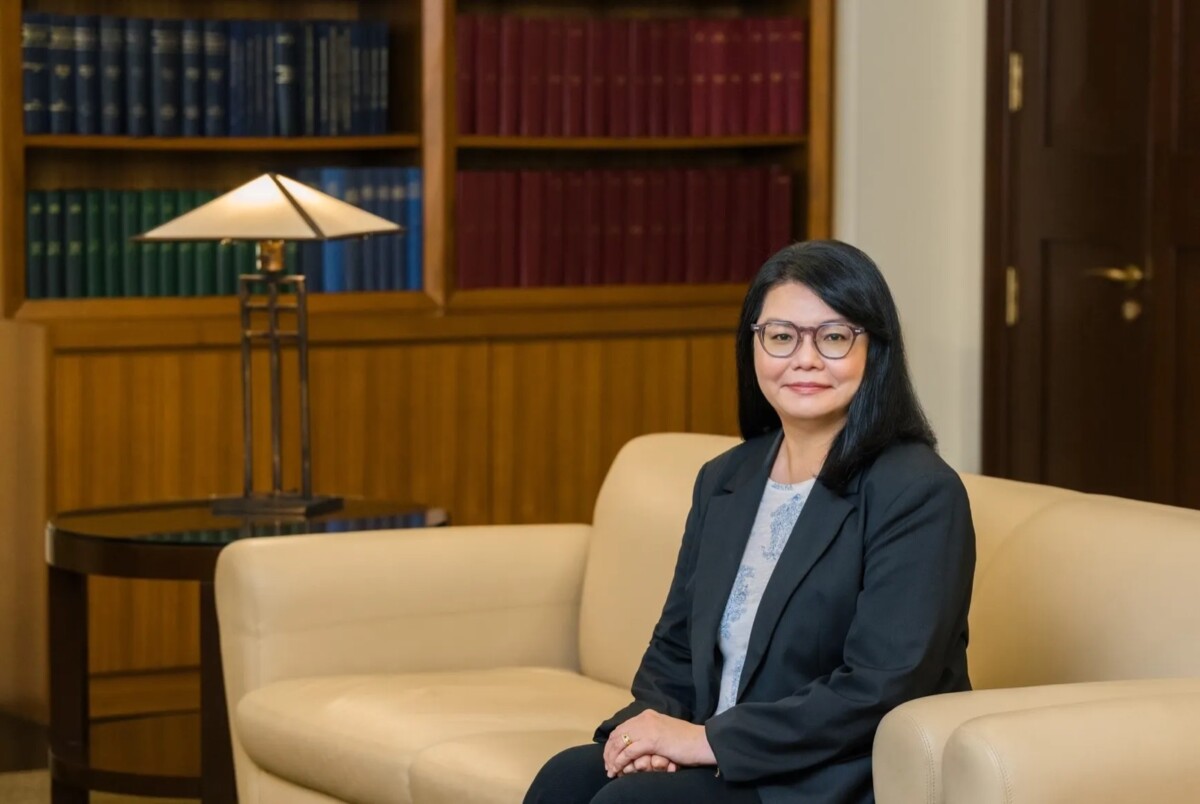
Singapore has always leaned hard on international law, because a little red dot cannot rely on size to protect its interests. Having a Singaporean on the bench does not tilt any case our way, but it does say the world trusts our legal talent at the very top level.
It also fits a busy stretch for our diplomats. In recent weeks we have covered the Singapore and Indonesia joint task force on haze-linked firms and PM Lawrence Wong’s Singapore-Thailand Leaders’ Retreat in Bangkok. For students eyeing a public service or legal career, the PSC scholarships for 2027 close on 15 March.
What happens next
Ambassador Lee takes her seat in The Hague in February 2027, joining the incoming bench for a nine-year term that runs to 2036. Until then, she remains Singapore’s Ambassador for International Law. For a country that has argued its own case at the ICJ before, seeing one of our own on the other side of the bench is quite a moment.