
Shoulder pain that lingers or keeps getting worse after a workout may be a rotator cuff injury, and catching it early matters because “initial strains and sprains can progress to partial or complete tears of the rotator cuff”, according to Adj Asst Prof Han Fucai, who heads the shoulder and elbow surgery division at Ng Teng Fong General Hospital (NTFGH).
The rotator cuff is a group of four muscles and their tendons that hold the shoulder steady and move the arm. It is a fairly common injury, according to SingHealth’s HealthXchange, and the risk rises with age. Because the tendon has a poor blood supply it wears with time, and the problem typically shows up in people above 40.
Who gets it
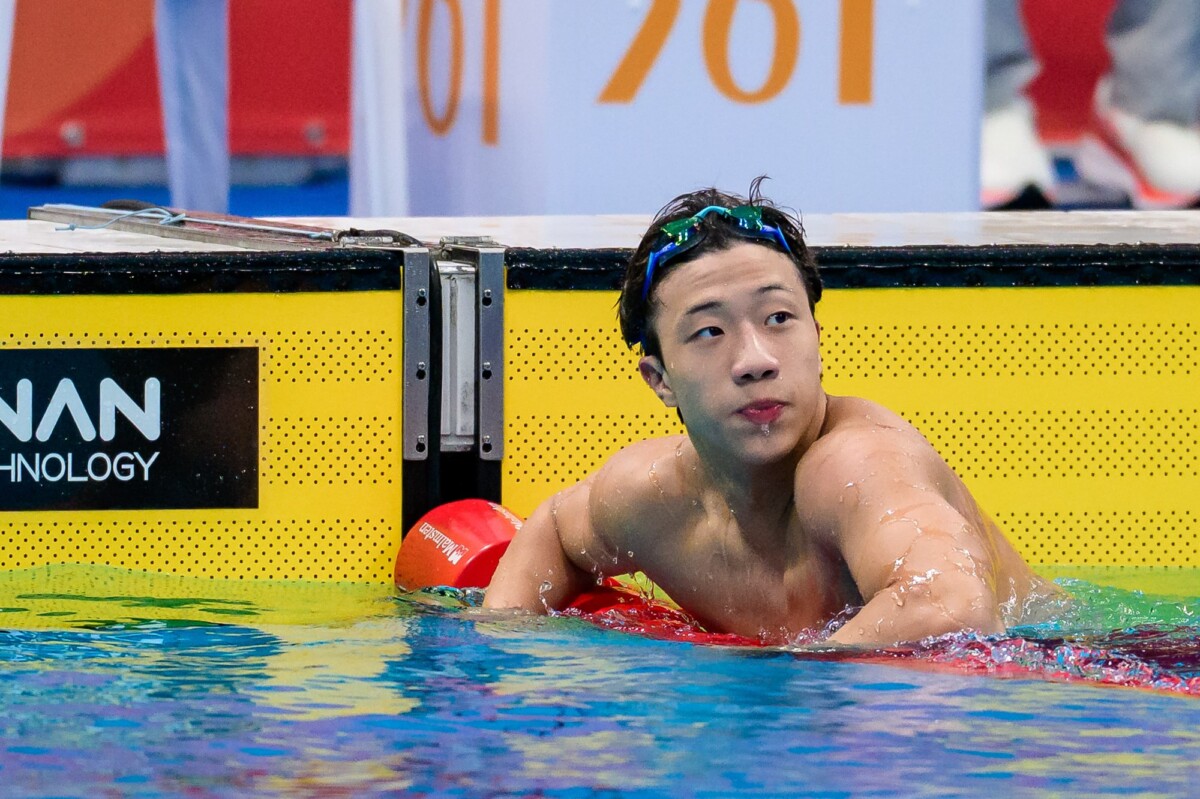
Overhead movement is the common thread. HealthXchange names swimmers, rowers and tennis players as being at higher risk, while Adj Asst Prof Han points to basketball, badminton and volleyball as sports that lean on the rotator cuff.
Sport is not the only cause. HealthXchange’s list of causes:
- wear and tear with age, made worse by repetitive shoulder movements
- a single hard knock or a fall on the arm
- lifting or pulling something too heavy, or lifting the wrong way
- poor posture, where a slouched head and neck can pinch the tendon
It adds that something as ordinary as carrying a heavy load overhead or hanging out the washing can be enough.
The signs
Adj Asst Prof Han lists pain and weakness when lifting the arm, especially above shoulder level, pain when rotating the arm, such as reaching around your back, and discomfort at night when lying on the affected shoulder.
Singapore General Hospital’s orthopaedic surgery department adds reduced range of motion. HealthXchange notes that a large tear can bring constant pain and weakness, and a complete tear may leave you unable to lift the arm at all. Many people with early damage may feel nothing until an injury, such as a fall, tears the weakened tendon.
Diagnosis and treatment
Doctors start with your history and an examination. X-rays can show earlier bone injury, while an ultrasound or MRI shows whether there is a tear. SGH also uses CT arthrography.
Treatment depends on how bad the injury is. SGH starts with rest, avoiding the movements that aggravate the shoulder, painkillers and ice, and the surgeon may refer you to a physiotherapist. At NTFGH the options include physiotherapy, activity changes, painkillers, anti-inflammatories and steroid injections, with non-operative treatment generally tried for three to six months.
If that fails, surgery is usually a keyhole (arthroscopic) repair that reattaches the tendon to the bone, though open repair is still done. Patients then wear a sling or brace and begin therapy the day after surgery, according to HealthXchange.
Protecting your shoulder
Adj Asst Prof Han’s prevention advice:
- do strengthening and stretching exercises for the shoulder muscles
- warm up the shoulder and arm properly before racquet sports and weightlifting
- rest enough between strenuous sessions
- stop any activity that brings on pain, and see a doctor if it persists
SGH adds three rules for everyday lifting: keep objects close to your body, keep lifting below shoulder level, and hold a tall spine with your ribs down and shoulders down and back. While a sore shoulder heals, NTFGH advises against carrying heavy bags on that side or loading it repeatedly overhead.
When to see a doctor
Shoulder pain that lasts more than a few days, keeps getting worse, wakes you at night or comes with weakness or trouble lifting the arm should be checked by a doctor, as should any sudden weakness after a fall. Only a doctor who has examined you can say whether it is a rotator cuff injury and which treatment suits you.
This article is general information, not medical advice. Speak to a doctor about your own symptoms.