China’s Vice Premier Ding Xuexiang is in Singapore on 22 and 23 November 2026, and the main event is a full day of talks on Monday 23 November. The Prime Minister’s Office announced the Ding Xuexiang Singapore visit on 21 November, saying he comes at the invitation of Deputy Prime Minister Gan Kim Yong. Four meetings are lined up on the Monday, and they set the direction for how Singapore and China work together next.
What is on the agenda for the Ding Xuexiang Singapore visit
DPM Gan, who is also Minister for Energy, Trade and Industry (Trade), and Vice Premier Ding will co-chair four meetings that day.
- The 22nd Joint Council for Bilateral Cooperation (JCBC), the apex platform the two governments convene each year
- The 27th Suzhou Industrial Park Joint Steering Council
- The 18th Tianjin Eco-City Joint Steering Council
- The 10th China-Singapore (Chongqing) Demonstration Initiative on Strategic Connectivity Joint Steering Council
This year’s JCBC theme is “Innovating Together for New Opportunities”. The three joint steering councils review how the flagship government-to-government projects in Suzhou, Tianjin and Chongqing are progressing.
DPM Gan will also hold a bilateral meeting with Vice Premier Ding and host a welcome lunch on 23 November. Vice Premier Ding will call on Prime Minister Lawrence Wong, who is also Finance Minister, and Senior Minister Lee Hsien Loong during the visit.
What DPM Gan says to expect
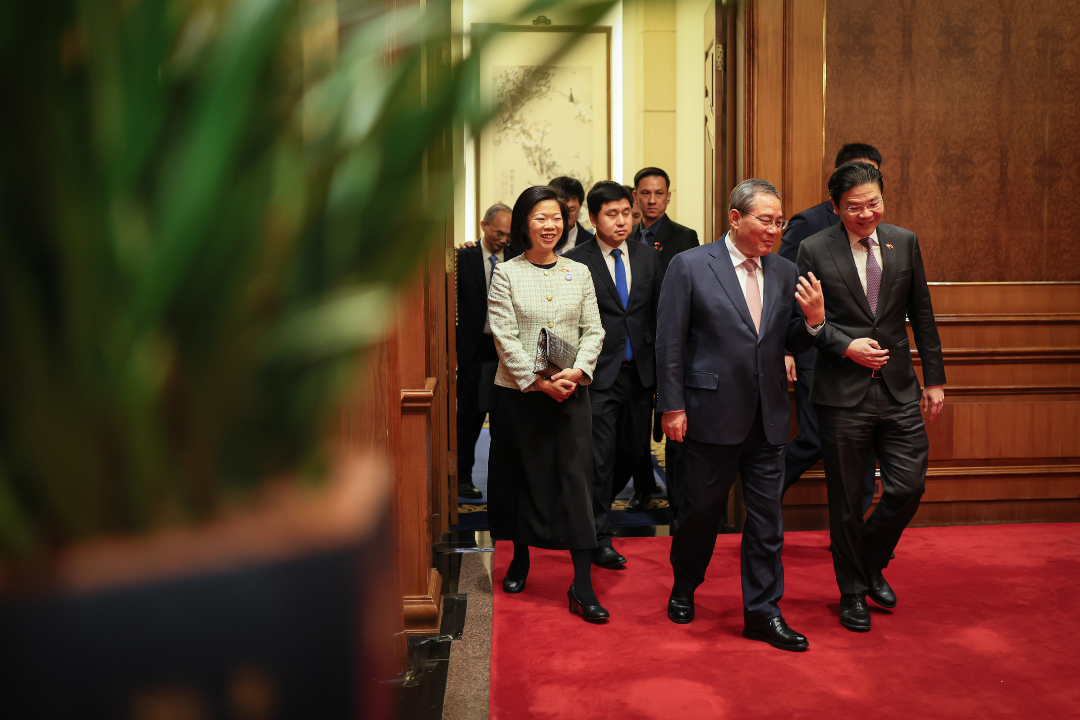
In an op-ed released on 22 November, DPM Gan said the partnership has lasted because both sides keep finding new ways to work together. He pointed to the three flagship projects, which started with industrial development in Suzhou, moved to sustainable urban development in Tianjin and then to connectivity in Chongqing.
The partnership is now widening into the digital and green economies, healthcare and biotechnology, and third-party markets. DPM Gan said further cooperation agreements between research centres in the two countries will be announced at the JCBC.
The op-ed gives a few concrete markers of where things stand:
- Enterprise Singapore has backed more than 40 projects in AI, biomedical sciences and green technologies since launching its Co-Innovation Programmes with selected Chinese provinces and cities in 2020
- In Punggol, Grab and ComfortDelGro have teamed up with Chinese technology firms WeRide and Pony.ai to introduce self-driving shuttle services
- China was Singapore’s top merchandise trade partner for more than a decade, and Singapore remains China’s largest foreign investor
- The China-Singapore Guangzhou Knowledge City, set up in 2010, helps Singapore firms protect and commercialise their innovations in China
- The Monetary Authority of Singapore and the People’s Bank of China are working to expand remittance channels for instant, small-value transfers
How this follows PM Wong’s China trip
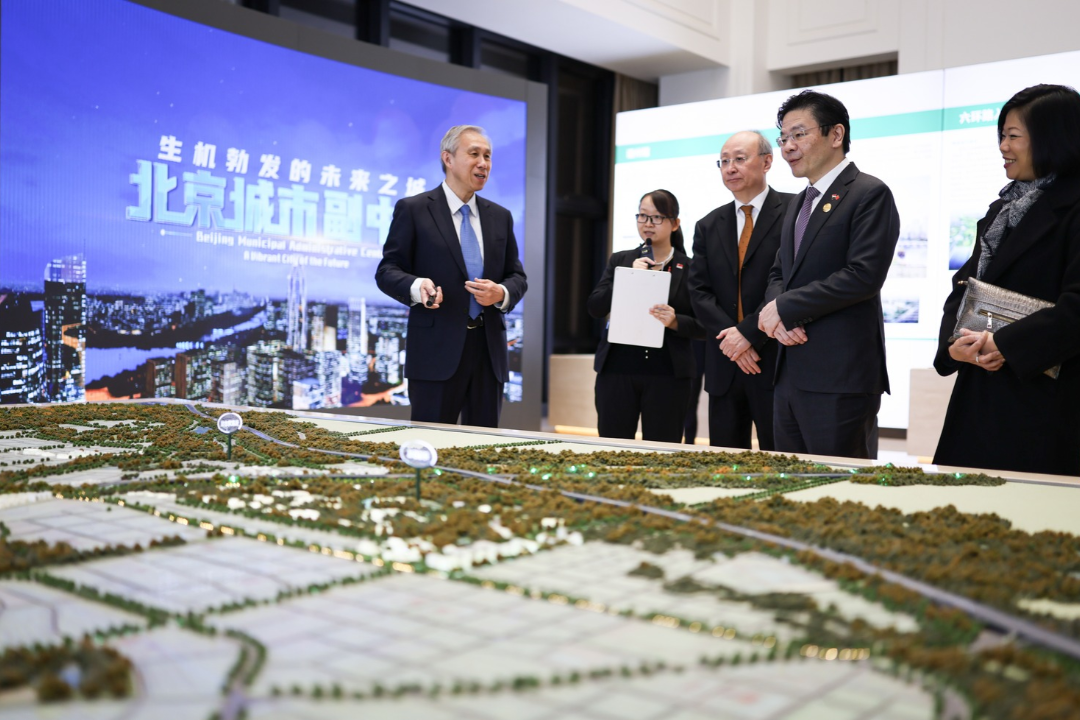
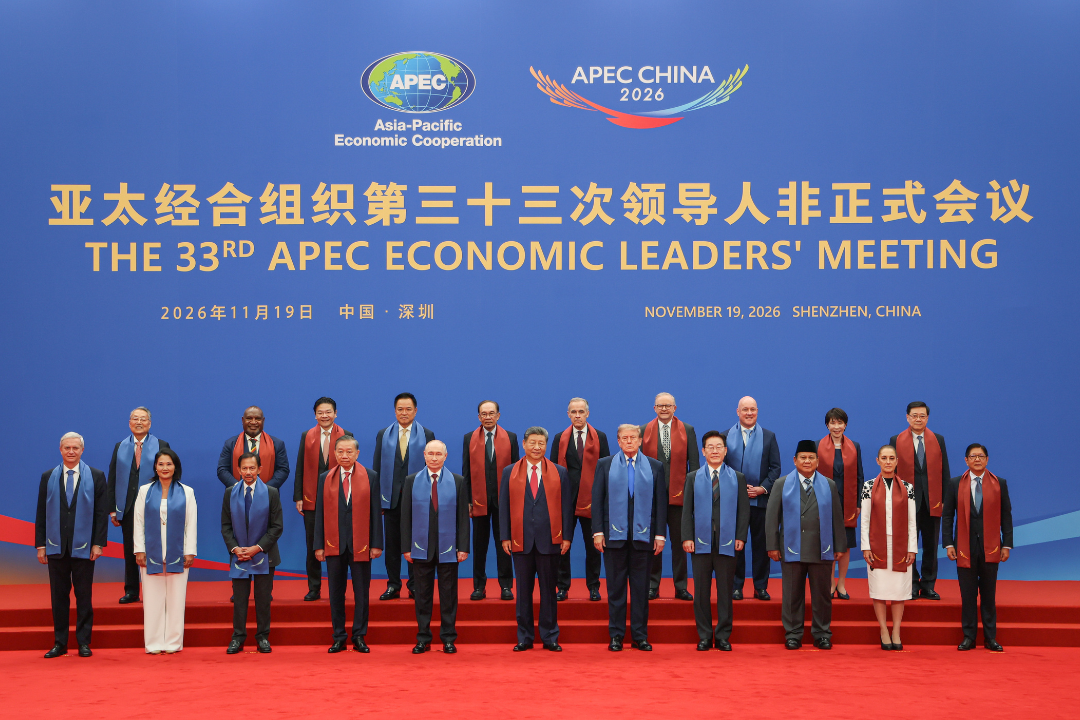
The timing is no accident. PM Wong was in Shenzhen from 18 to 19 November for the 33rd APEC Economic Leaders’ Meeting, where he met President Xi Jinping, and then in Beijing on 20 and 21 November, where he held talks with Premier Li Qiang. We covered that trip in detail in PM Lawrence Wong’s trip to Shenzhen and Beijing.
According to the PMO, PM Wong and Premier Li also looked ahead to closer cooperation during Singapore’s ASEAN Chairmanship in 2027. This week’s JCBC is the formal, annual follow-through on the same relationship.
Why it matters for everyday Singapore
Most of this stays at government level, but the effects reach ordinary households and businesses. Trade is the clearest link, and you can see how much manufacturing and shipbuilding exports swing the numbers in October’s NODX figures. Tech policy is another, given the rules now in place under US licence rules for advanced AI chips shipped to Singapore.
The JCBC will not change your wallet overnight. What it does is set the tone for research tie-ups, investment and new pilots such as the Punggol shuttles, which is where residents tend to notice the difference first.
Watch the PMO and government ministry newsrooms for the outcomes of Monday’s meetings, including the research agreements DPM Gan flagged.