
Japan has long held the top spot on every Singaporean’s travel wish list, and 2026 is shaping up to be one of the most compelling years yet to finally make the trip. A historically strong Singapore Dollar against the Japanese Yen, affordable low-cost carrier flights, and a destination that never runs out of things to do — Japan is calling. But here’s the thing: if you’ve been sitting on the fence, now is the time to act. Starting July 2026, Japan’s departure tax is set to triple. The window to visit at today’s costs is narrowing fast.
The SGD Is Stronger Than Ever Against the Yen
For Singaporean travellers, the current exchange rate is nothing short of extraordinary. The Singapore Dollar is trading at around 115–125 Japanese Yen, one of the strongest rates ever recorded. What this means practically is that your travel budget stretches significantly further in Japan today than it did three or four years ago.
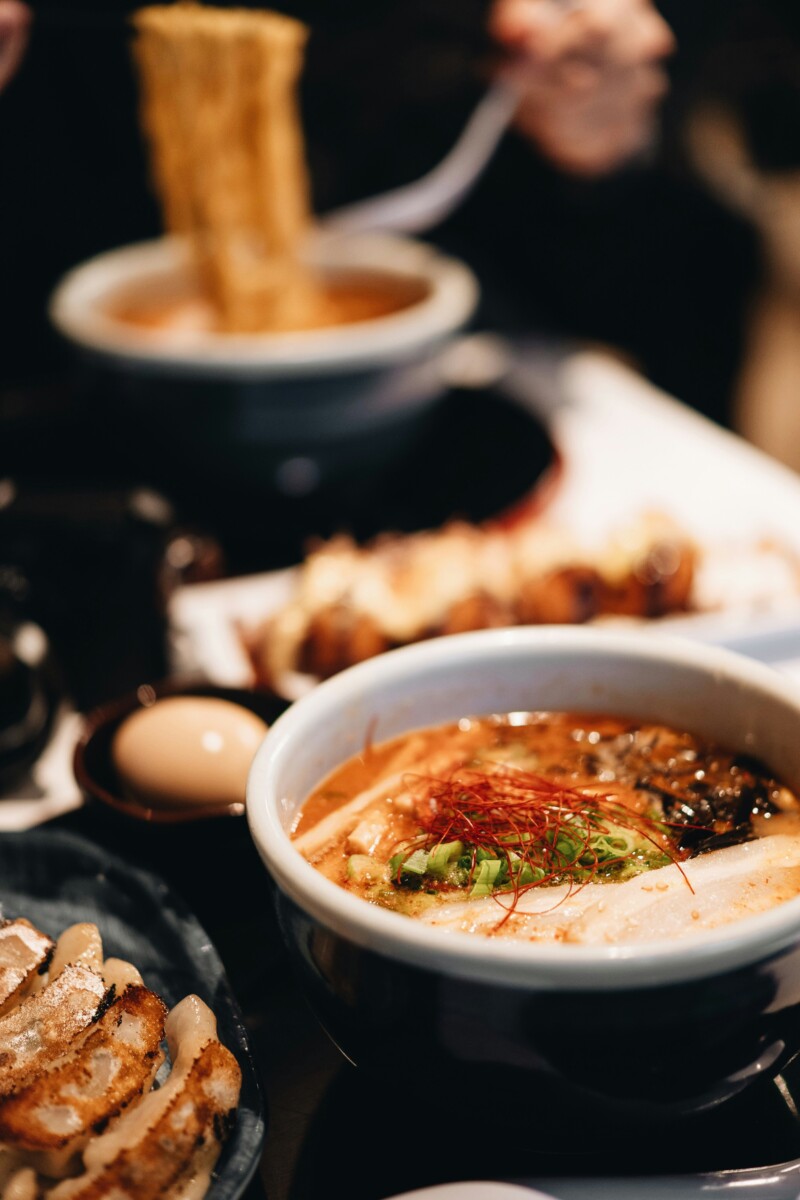
A hearty bowl of ramen at a decent Tokyo restaurant will set you back around ¥1,000–¥1,500 — roughly S$8–S$12. Conveyor-belt sushi (kaiten-zushi) for two? Budget around S$20–S$35. Even mid-range hotels in areas like Shinjuku or Namba are surprisingly affordable at S$100–S$150 per night for a clean, well-located room.
According to financial travel guides, budget travellers can comfortably get by on S$80–S$120 per day in Japan (excluding flights), covering accommodation, meals, and local transport. For the mid-range traveller, S$170–S$270 per day gives you a very comfortable experience with sit-down restaurant meals, entry to attractions, and nicer accommodation.
Why You Should Go Before July 2026
Here is the biggest reason to act now: Japan’s departure tax is tripling from 1 July 2026.
Currently set at ¥1,000 (around S$8) per person, the departure tax will jump to ¥3,000 (approximately S$24) for every traveller aged two and above leaving Japan by air or sea. This fee is automatically bundled into your airfare, so it won’t feel dramatic at booking — but for a family of four, that’s an extra S$64 on every return journey.
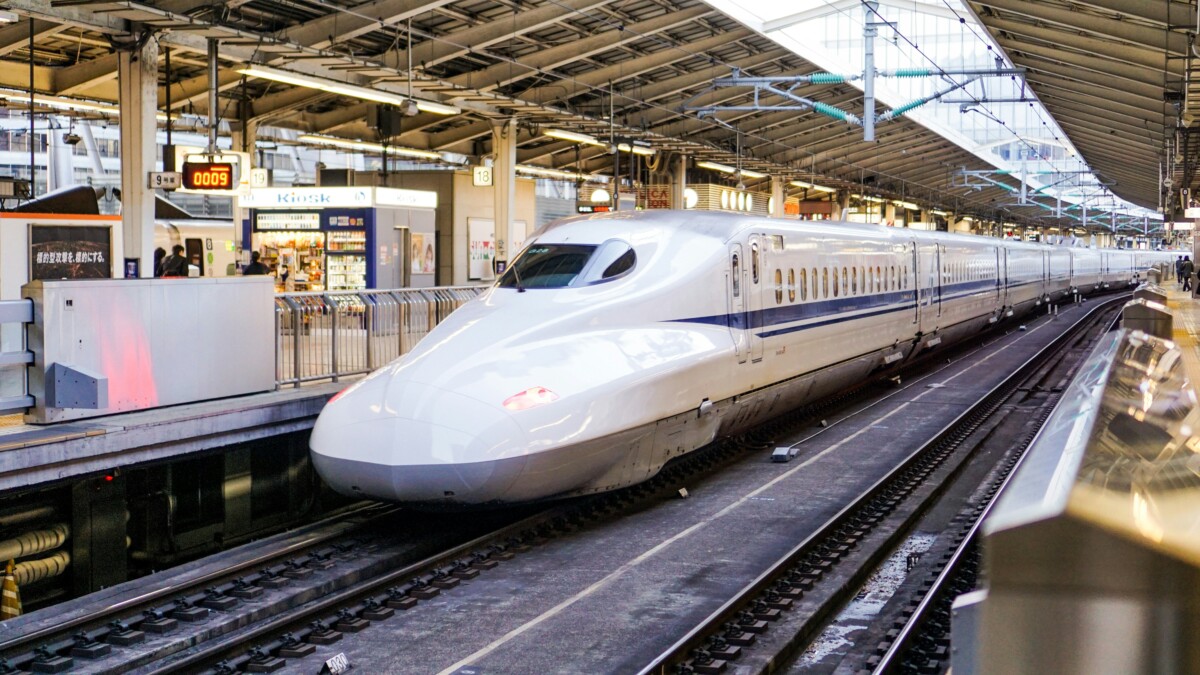
And it doesn’t stop there. If you’re planning a trip that includes the iconic Japan Rail Pass, take note: from 1 October 2026, the JR Pass price will increase by ¥3,000 to ¥53,000 for a 7-day adult pass. A 21-day pass will rise by ¥5,000 to ¥105,000. If a longer rail adventure across Honshu, Kyushu, or Hokkaido is on your bucket list, buying your JR Pass before October will save you a meaningful sum.
On top of this, several popular cities — including Kyoto — have introduced or hiked accommodation taxes for 2026, with luxury hotel guests in Kyoto now paying up to ¥10,000 per night in lodging taxes.
The takeaway? Book your flights and JR Pass now, travel before July, and lock in the best possible costs.
Getting There: Flights From Singapore to Japan
The good news is that getting to Japan from Singapore has never been more accessible. Budget carrier Scoot operates daily direct flights from Singapore Changi Airport (SIN) to Tokyo Narita (NRT), with fares from as low as S$188 one-way during off-peak periods. For travel in late April and May, return fares on Scoot are typically in the S$340–S$400 range — extremely competitive for a roughly 7-hour flight.
If you prefer a full-service experience, Singapore Airlines operates multiple daily flights to Tokyo (Narita and Haneda), Osaka (Kansai), and other Japanese cities. SIA fares to Tokyo typically start from around S$700–S$800 return for Economy Class, and the onboard product and connectivity can be worth the premium for a longer trip.
Pro tip: Tuesday and Wednesday departures tend to be the cheapest days to fly out of Singapore. Booking three to four months ahead generally yields the best prices on both Scoot and SIA.
Where to Go: Top Regions for Singaporean Travellers
Japan rewards any style of travel, but here are the regions most popular with Singaporean visitors:
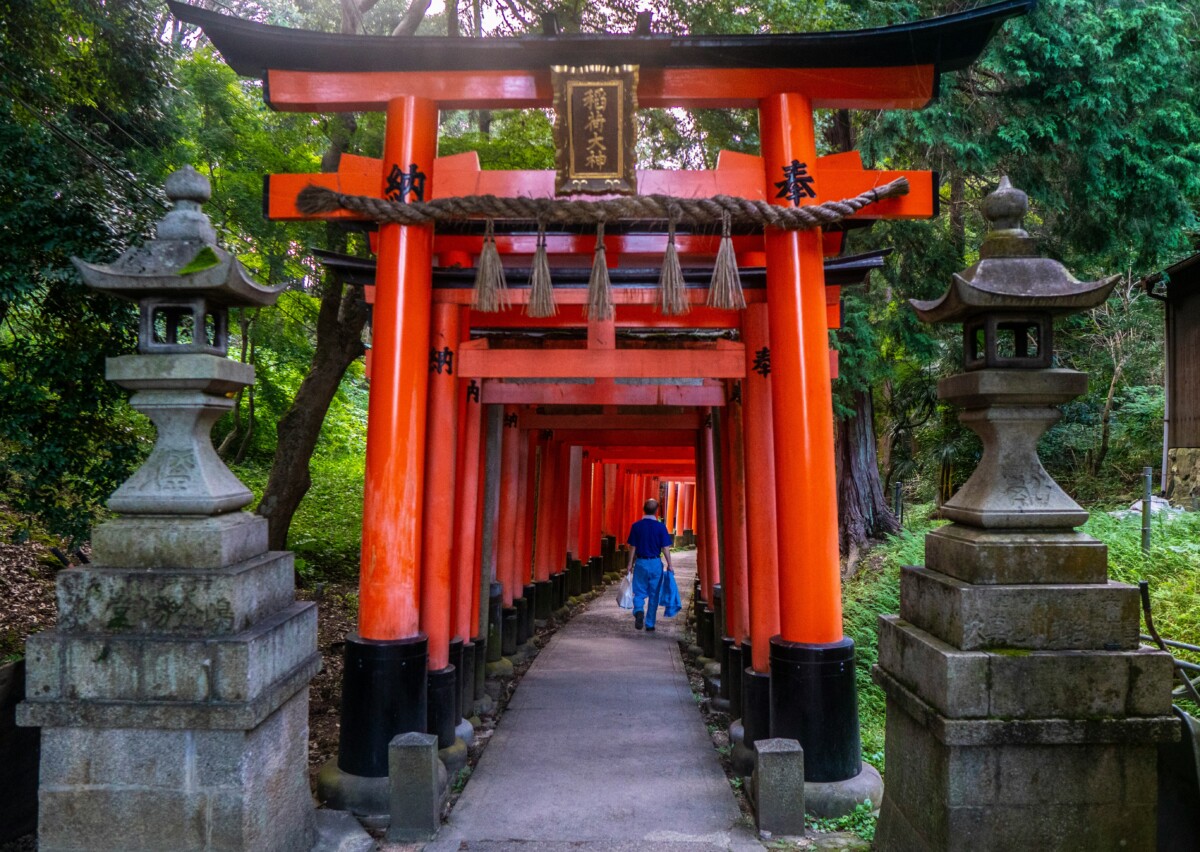
Tokyo – The eternal favourite. Shop in Shibuya and Harajuku, eat your way through Tsukiji Outer Market, visit Asakusa’s Senso-ji Temple, and explore the quirky streets of Shimokitazawa. Tokyo is endlessly layered and never boring.
Kyoto & Osaka – The cultural heart of Japan. Kyoto’s bamboo groves, geisha districts (hanamachi), and UNESCO World Heritage shrines pair perfectly with Osaka’s legendary street food scene in Dotonbori. These two cities are best covered together in a 4–5 day leg.
Hokkaido – Japan’s northern island is a paradise for nature lovers. Spring and early summer bring vibrant wildflower meadows, while the seafood — crab, sea urchin, salmon roe — is arguably the freshest in the country.
Kyushu – Often overlooked but absolutely worth the detour, Kyushu offers hot spring (onsen) towns like Beppu and Yufuin, the dramatic volcanic landscape of Mount Aso, and charming cities like Fukuoka and Nagasaki.
We’ve previously covered some wonderful self-drive itineraries through Japan, including a must-read Japan travel guide with essential tips and hacks — a great starting point for first-timers planning their trip. For inspiration on a longer journey, check out our 14-day Kyushu self-drive travel itinerary, which explores one of Japan’s most underrated regions.
Money Tips: Making Your Yen Go Further
Use convenience store ATMs. 7-Eleven, FamilyMart, and Lawson ATMs accept most international bank cards and debit cards with a modest fee of ¥110–¥220 per transaction. They are the most reliable ATM options for foreign cards across Japan.
Eat at konbini. Japanese convenience stores (konbini) are a revelation for budget-conscious travellers. Onigiri (rice balls), sandwiches, hot foods, and even sushi are available for ¥300–¥700 — and the quality is genuinely good.
Get a Suica or IC card. An IC card (such as Suica or ICOCA) makes navigating Japan’s train and bus networks effortless, and it doubles as a payment method at convenience stores and vending machines. Available at major train stations.
Check if the JR Pass makes sense for your trip. For a 7-night trip that stays mostly in one region (e.g. Tokyo only), the JR Pass may not be cost-effective. But for a multi-city journey — say, Tokyo → Kyoto → Hiroshima → Osaka — it pays for itself very quickly, especially at current prices.
Download Google Maps offline and Hyperdia for train routes. Hyperdia is the go-to app for navigating Japan’s famously complex train network, with real-time timetables and platform numbers.
The Bottom Line: Go Before July
Japan in 2026 offers an irresistible combination: a very strong Singapore Dollar, accessible budget flights via Scoot, and a destination with enough variety to satisfy first-timers and seasoned Japan hands alike. But with the departure tax tripling from 1 July 2026 and the JR Pass getting more expensive from October, the cost of visiting will only climb.
If a Japan trip has been on your radar, treat this as your sign. Check Scoot’s website for the latest fares, snap up your JR Pass if you’re planning a longer journey, and start building that itinerary. Japan, as always, will not disappoint.