CapitaLand Ascendas REIT Singapore assets are back in focus after the trust announced a S$1.4 billion acquisition package that adds two Singapore properties and a Japan data centre interest to its portfolio. For Singapore investors who follow industrial and business space REITs, the important point is not simply that the trust is buying more assets. The issue is whether the new properties strengthen recurring income, keep the portfolio Singapore-anchored, and justify the funding and execution risk that comes with a deal of this size.
The official CapitaLand announcement says CLAR is acquiring 25 Loyang Crescent for S$504.2 million, a 50% interest in Ascent at 2 Science Park Drive for S$245.0 million, and a 49% interest in a Tier III hyperscale data centre in Greater Osaka for S$620.7 million. The manager said the deal raises the value of CLAR’s Singapore portfolio to about S$13.2 billion and keeps roughly two-thirds of total portfolio AUM in Singapore.
Why Ascent Matters To The Singapore Portfolio
Ascent is the asset most local readers will recognise in the story because it sits at 2 Science Park Drive, in the middle of Singapore’s research and business park cluster. CapitaLand describes it as a premium business space property leased to multinational corporations and public listed companies, which is the type of tenant base REIT investors normally associate with more resilient business park income.
The 50% stake structure also matters. CLAR is not taking the whole asset alone; a global sovereign wealth fund is acquiring the other half. That arrangement may help with capital discipline while still giving CLAR exposure to a Singapore business park asset that fits its existing life sciences and business space positioning.
For investors, the watch item is rental quality rather than headline building quality. The next few reporting periods should show whether the asset contributes smoothly, how occupancy behaves, and whether demand from science, technology and corporate users remains firm enough to support positive rental reversions.
25 Loyang Crescent Adds Logistics Exposure
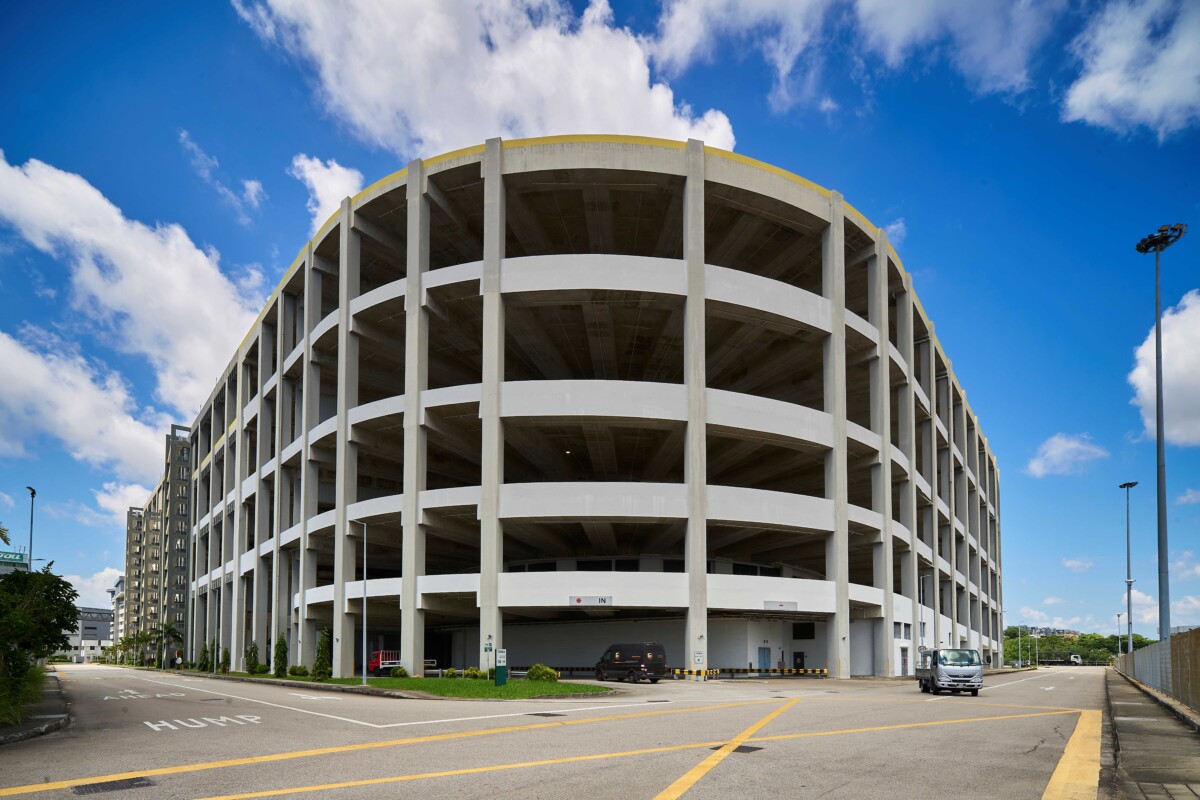
The other Singapore asset, 25 Loyang Crescent, is a cluster of ramp-up logistics and industrial buildings. This is a different kind of exposure from Ascent. It sits closer to the operational side of the economy: logistics users, industrial occupiers, supply chain activity and tenants that need practical access rather than a premium office-style environment.
CapitaLand’s announcement frames both Singapore properties as part of a portfolio rejuvenation strategy. That phrase can sound abstract, but the investment question is concrete. Does the trust recycle capital from older or less strategic assets into properties with stronger long-term demand, better tenant relevance and a clearer role in Singapore’s industrial economy?
The Loyang asset therefore deserves attention even if it is less glamorous than a business park address. Logistics buildings can be important income stabilisers when they are well-located and well-leased, but they also require close attention to lease expiries, tenant concentration and future capex.
The Japan Data Centre Raises The Growth Question
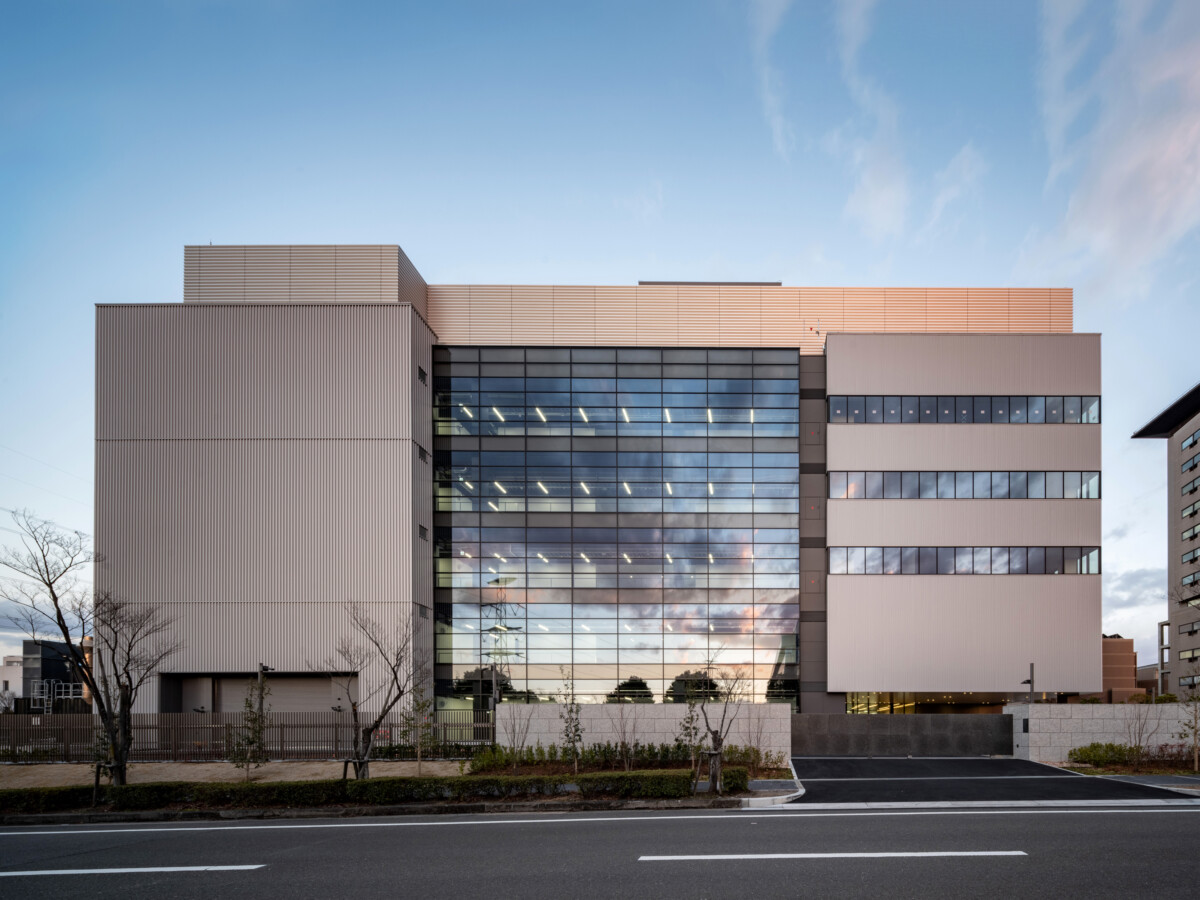
The Japan component is larger than either Singapore asset, with CLAR acquiring a 49% interest in a Tier III hyperscale data centre in Greater Osaka. CapitaLand says Japan is a major developed-market data centre market in Asia Pacific and points to AI-related investment, hyperscaler demand and cloud expansion as demand drivers.
For a Singapore investor, this part of the transaction is where the upside and complexity meet. Data centre exposure can improve long-term growth relevance, but it also brings operating, currency, partner and market-cycle risks that are different from a Singapore industrial building. The trust has to show that the overseas allocation supports, rather than distracts from, its Singapore anchor.
The key phrase in the announcement is that CLAR remains a global REIT anchored in Singapore. That is the balance investors should test over time: international growth may be useful, but the portfolio should not lose the visibility and familiarity that make Singapore REITs attractive to local income investors.
How The Deal Sits Beside FY2025 Results
The acquisition news follows CLAR’s FY2025 results, where distributable income rose 1.4% year on year to S$678.3 million while DPU for FY2025 came in at 15.005 cents, down from 15.205 cents in FY2024 on an enlarged unit base. That split is worth understanding: total income can grow while per-unit distribution softens if more units are issued or if financing costs absorb part of the benefit.
CapitaLand also reported a S$18.2 billion portfolio as at 31 December 2025 and said Singapore accounted for S$12.4 billion, or 68%, of portfolio value at that point. After the acquisition package, the manager says the Singapore portfolio value rises to about S$13.2 billion.
This is why the new Singapore assets are not a side note. They help maintain the local centre of gravity while the trust adds a major data centre exposure overseas. Investors should read the deal alongside leverage, cost of debt, occupancy and actual DPU delivery.
The Practical Investor Lens
If you already own CLAR, the immediate question is whether the acquisition changes your income thesis. The announcement says the assets are meant to advance portfolio rejuvenation and strengthen CLAR’s Singapore base. That is positive in principle, but it still has to turn into stable net property income and sustainable DPU over time.
If you are watching from the sidelines, the deal gives you a useful framework for comparing Singapore REITs. Look beyond yield alone. Check whether the manager is buying assets that match the trust’s strategy, whether the balance sheet can absorb the move, and whether new acquisitions are likely to improve the portfolio five years from now.
The current update is therefore less about a quick buy-or-sell call and more about the trust’s direction. CLAR is leaning into business parks, industrial logistics and data centres while keeping Singapore as the main anchor. That is the story to monitor through the next results.
Bottom Line For Singapore Investors
CapitaLand Ascendas REIT’s new Singapore assets make the latest acquisition package relevant even for investors who are cautious about overseas expansion. Ascent and 25 Loyang Crescent reinforce the local base, while the Japan data centre adds a growth angle that needs disciplined execution. The useful follow-up is to watch occupancy, debt cost, rental reversions and DPU rather than reacting only to the size of the transaction.
Related on Little Big Red Dot: URA Q1 2026 property statistics, HONOR 600 Pro pre-order deal, Xiaomi Singapore student offer.
Official links: CapitaLand acquisition announcement, CapitaLand Ascendas REIT FY2025 results.