
Singapore’s autonomous vehicle plans are moving from futuristic trial language into something more practical: rules, public-road deployment and where the technology should be allowed to operate.
The Ministry of Transport’s automated and autonomous vehicles page, last updated on 4 May 2026, says interested parties can submit written responses on the legal and regulatory framework for autonomous vehicles by 30 June 2026.
What MOT Is Asking Singaporeans To Think About
The consultation is about how autonomous vehicles should be governed when they move beyond controlled pilots. That includes how operators are approved, how safety is monitored, how responsibility is assigned and how public-road use should fit into existing transport rules.
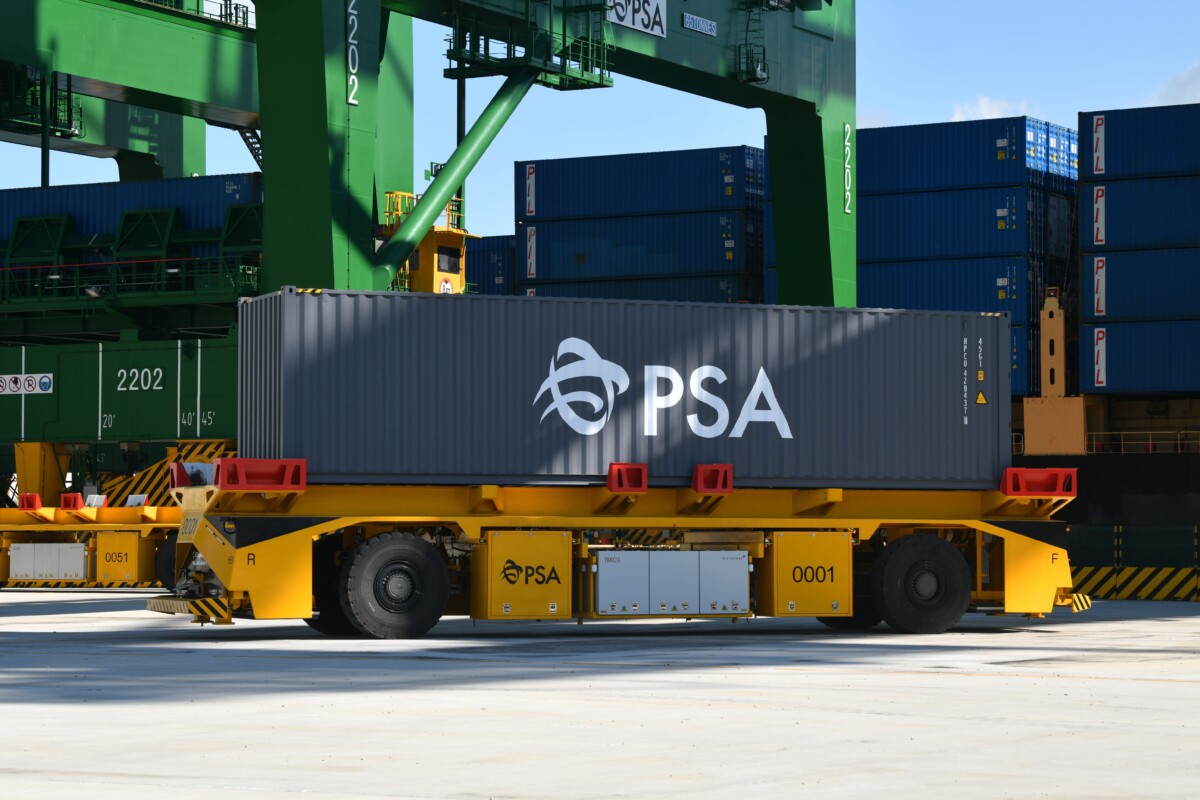
For readers, the important point is that this is not only about robotaxis. MOT’s page groups AV use across public transport, maritime, aviation and logistics, which means the eventual framework can affect estate shuttles, port operations, airport ground vehicles and goods movement.
Where AVs Are Already Visible
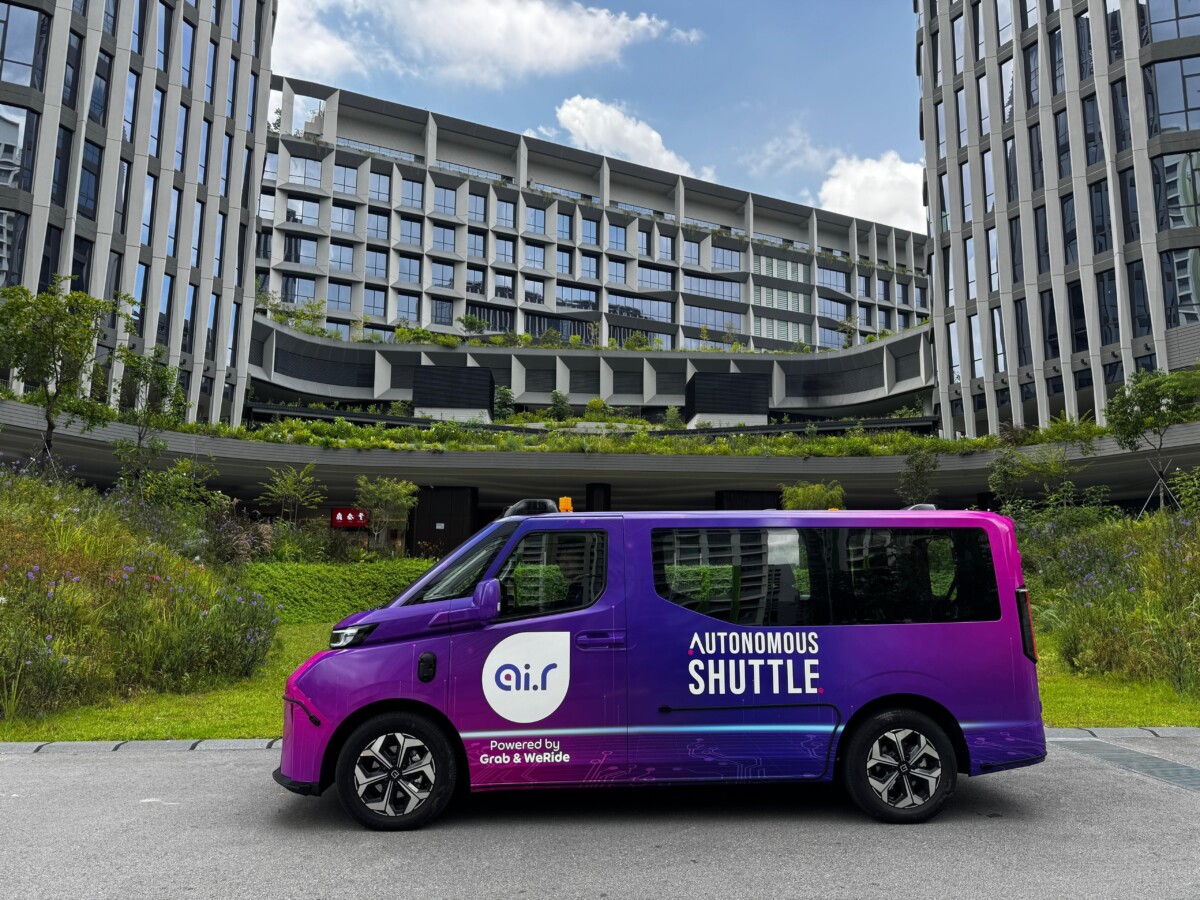
The official page gives concrete examples: autonomous buses at Resorts World Sentosa and Ngee Ann Polytechnic, AV shuttles at Punggol, automated guided vehicles at Tuas Port, autonomous baggage tractor trials and autonomous logistics vehicles.
That gives the consultation a more local shape than a broad technology debate. If you follow car and mobility stories, LBRD’s recent Car Expo buyer guide is a useful companion because both stories sit inside the same shift towards electrification, automation and new transport habits.
Why The Framework Matters
Autonomous vehicles create different risk questions from normal driving. A human driver can be licensed, tested and penalised in a familiar way. An AV system adds software, sensors, remote supervision, fleet operators and data trails into the same safety chain.
That is why the rules need to be clear before larger deployment. The reader-facing issue is simple: Singapore will want AVs to reduce manpower pressure and improve transport efficiency, but the public will judge them by safety, reliability and whether they make estates and work sites easier to move around.
What To Watch By 30 June
The response deadline is 30 June 2026. After that, the policy signal to watch is whether Singapore moves towards a phased licensing model, clearer operator liability and more defined AV testing zones.
For now, the official page is the best place to follow the consultation details. The transport examples are spread across Singapore, but Punggol and Sentosa are useful everyday reference points for readers who want to understand how AV shuttles may first appear in public-facing spaces.
MOT is at 460 Alexandra Road, mTower, Singapore 119963. Maps: Google Maps | Apple Maps.