
The new electric buses Singapore commuters will see from the end of 2026 are not a small refresh. LTA says it will progressively deploy 660 of them, and has shown off the features it changed after feedback from commuters, bus captains and operators. Here is what is different, in plain terms.
LTA has not named the routes or operators that get the first buses, so do not expect a route list yet. What it has published is the design, the ranges and the timeline.
What the new electric buses Singapore is getting look like
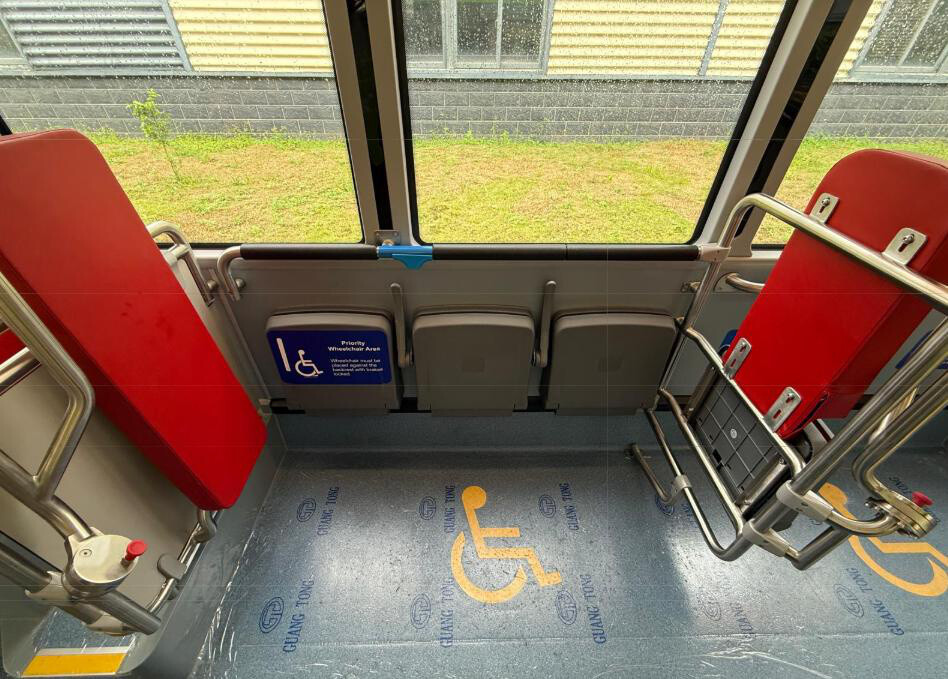
The big change is a full low-floor design with no steps along the main passageway. Advances in battery technology made this possible. Seating platforms are kept low too, with step heights generally capped at 230mm, or 300mm for seats above the wheel arches.
That should make boarding and moving down the bus easier for wheelchair users, parents with prams and older commuters. Single-deck buses will have up to 32 fixed seats, and double-deck buses up to 67. There are extra foldable seats at the wheelchair bays.
Rear displays and stair lights
Each bus gets a full-colour rear Electronic Display System. By default it shows the service number and destination. From 2027, it will also warn road users when the bus is stopping, moving off, or when passengers are boarding and alighting.
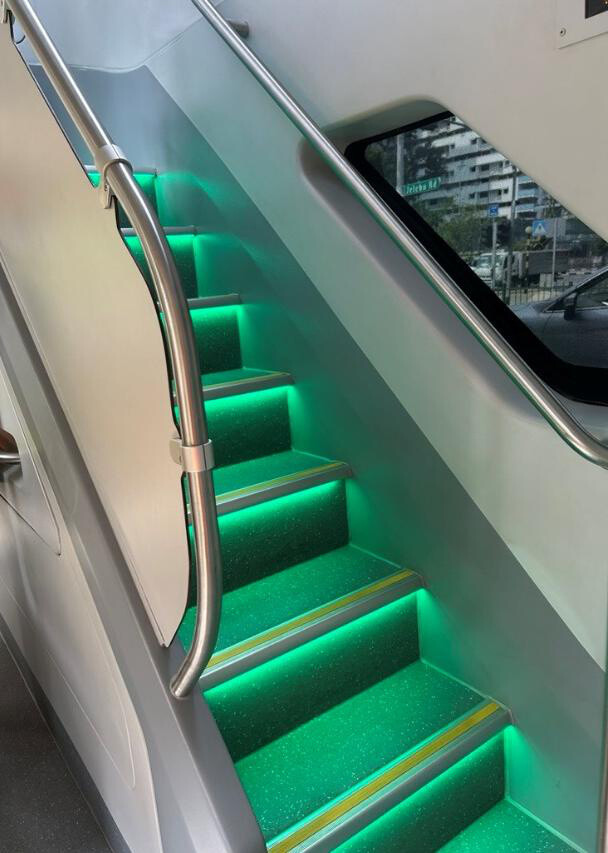
Double-deck buses get coloured lighting on the staircase. Green means the bus is stationary and the stairs can be used safely. Red means it is moving, so avoid the stairs where possible.
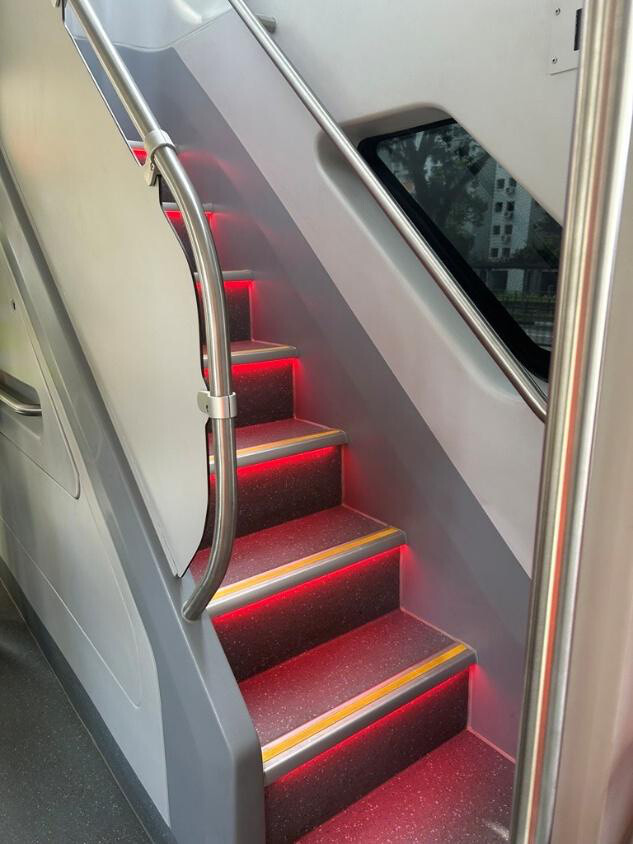
In practice, that red light is a nudge to wait until the bus has stopped before you head downstairs. Anyone who has lurched down a bus staircase during a turn will get the point.
Why LTA changed the design
LTA says electric buses have their own design limits, because batteries and electric drivetrains have to fit inside the bus’s fixed footprint. The aim is still buses that are safe, comfortable, easy to operate and accessible to everyone. The changes follow feedback from commuters, bus captains and public transport operators, so the first deployment is also a test of whether the fixes land well.
Safety tech for bus captains
The buses carry a set of driver assistance systems. LTA lists these:
- Onboard CCTV
- Collision warning
- Surround view
- A driver anti-fatigue monitoring system
- A camera mirror system
Together, these are meant to help bus captains stay aware of what is around the bus and react to hazards faster.
Range: up to 310km on a charge
Battery range goes up. Single-deck electric buses can run up to 310km, up from 280km. Double-deck buses can reach 240km, up from 215km.
LTA says the longer range supports more flexible and efficient bus operations. For you, that mostly means fewer constraints on how operators schedule and charge their fleets.
What it means on the road
Because these buses are quieter and cleaner at the tailpipe, a bigger electric fleet should change how main roads feel over the next few years. LTA has not published noise or emissions figures for this batch, so treat that as the general direction rather than a promised result. The release is silent on charging locations too.
The bigger timeline
These 660 buses are part of LTA’s plan to move the public bus fleet to cleaner energy. By 2030, half of the public bus fleet will be electric. By 2040, the entire fleet will run on cleaner energy.
LTA also says it will keep gathering feedback from commuters, bus captains and operators to shape future bus purchases. If you have an opinion on seat height or foldable seats, that is the channel.
What this means if you ride and drive
LTA’s release is about the buses themselves and does not mention fares. Watch for the green-and-red stair lights and the new rear display when the first buses appear on the road, probably around the turn of the year.
If you are weighing a switch to electric yourself, our look at the 2027 VEP fee for foreign cars and how much petrol now costs against a year ago shows where running costs are heading. Car owners should also read what to do when trading in or exporting a vehicle.