Eat a light meal one to two hours before you train, drink water through any session under an hour, and have a meal with protein and carbohydrates within an hour of finishing. That is the core of HealthHub’s workout fuelling guide, last reviewed on 28 October 2025.
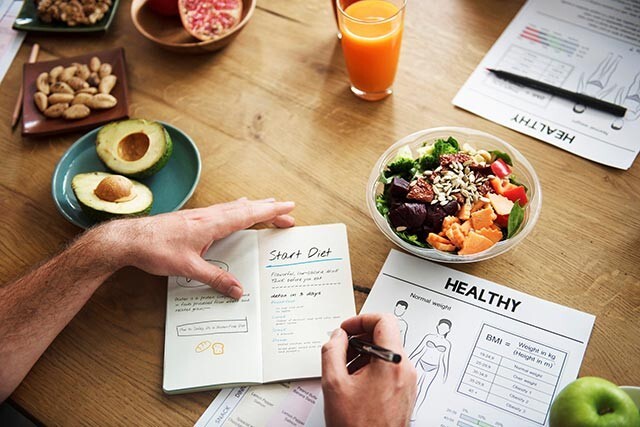
Before you train
A morning session needs breakfast, because most of the energy from your last meal is used up while you sleep. HealthHub’s advice is to avoid training on an empty stomach and on a full one. After a large meal, wait three to four hours before anything vigorous.
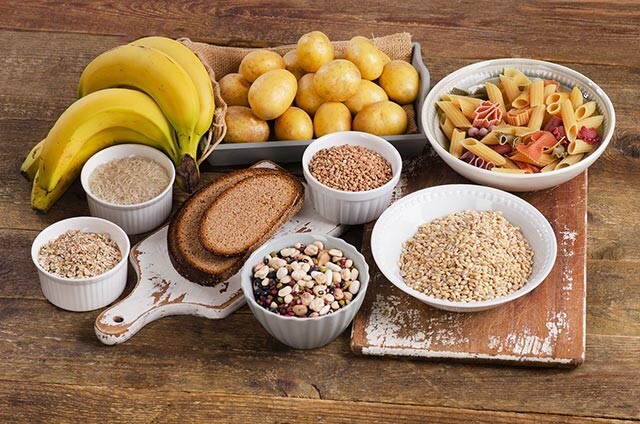
The pre-workout meal should be mainly carbohydrates with some protein. Curries, gravies and deep-fried food are on the avoid list because they leave you sluggish. Its suggestions are plain:
- Wholegrain toast with unsalted, unsweetened peanut butter
- An egg or tuna sandwich
- Greek yoghurt and fresh fruit
- Oats made with low fat plain milk
For training sessions and competitions, HealthHub’s separate sports nutrition guide (last reviewed 27 June 2025) suggests a pre-event meal or snack high in carbohydrates, finished one to four hours before you start.
During: water first
For a 30 to 60 minute session, cardio or weights, you do not need to eat, but you do need water. Past an hour, a handful of raisins or a banana keeps you going.
Sports drinks replace the salts lost in sweat, but they also carry sugar and calories. HealthHub’s line is to stick to water unless the activity is high-intensity, such as mountain biking, or lasts longer than an hour. If you do buy one, sports drinks with the Healthier Choice Symbol contain at least 25 per cent less sugar than regular versions.
The sports nutrition guide adds a sweat-rate check for working out how much to drink. Weigh yourself before training and again an hour after. The difference is the water you lost. In your next session, drink that amount, split equally across every half-hour. Pale yellow or colourless urine means you are well hydrated.
After: protein and carbohydrates within an hour
Protein helps muscles repair and grow, and carbohydrates restock the fuel you burned, so the post-workout meal needs both, ideally within an hour. HealthHub’s examples are local:
- Two chapattis and tandoori chicken with yoghurt
- Yong tau foo with non-fried, non-processed items such as tofu and lady’s fingers
- Economic rice with lean meat and vegetables, choosing non-fried dishes
- Grilled lean chicken with vegetables
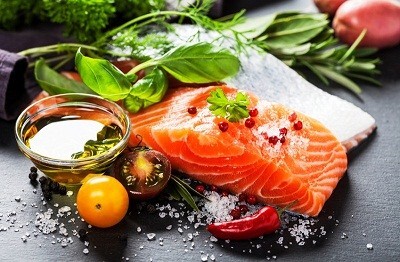
On quantity, HealthHub puts the need for normal healthy individuals at 0.8g of protein per kg of body weight, and says competitive athletes may need 1.0 to 1.6g per kg. Extra protein alone does not build muscle. Regular training does.
Try changes in training, not on race day
Any change to what you eat or drink, from fluid volume to carbohydrate intake, belongs in training weeks rather than the days before an event. Before taking any supplement, HealthHub advises checking with a sports doctor or dietitian that it is legal and effective.