
A stroke warning sign that fades within minutes still calls for 995. Of people who have a transient ischaemic attack (TIA), 10 to 15 per cent go on to have a stroke within three months, and half of those strokes come within 48 hours of the first symptoms, according to HealthHub’s stroke guide, last reviewed on 27 August 2026.
The reminder comes days after World Stroke Day on 29 October, when Senior Minister of State Tan Kiat How urged an audience at Stroke Support Station to remember the F.A.S.T. signs.
The three stroke signs and the 995 rule
F.A.S.T. stands for Face drooping, Arm weakness, Speech difficulty and Time to call 995. HealthHub is clear that one sign is enough to make the call. The others do not need to appear first.
- Face: one side of the mouth does not move in a smile, drooling, or one side of the forehead stays smooth.
- Arm: one arm drifts down or cannot be lifted when both are raised, or one hand suddenly cannot grip.
- Speech: slurred words, or a sudden inability to name objects or understand what others say.
Stroke signs outside F.A.S.T.
Not every stroke shows up in the face, arm or voice. HealthHub also lists:
- Loss of balance, stumbling, or having to lean on a wall to stand.
- Numbness, tingling or coldness down one side of the body.
- Sudden nausea or vomiting, or vertigo, where the room seems to spin.
- A severe headache, often described as the worst headache imaginable.
- Double vision, blind spots, or a patch blocking the centre of sight.
Why a TIA that passes still counts
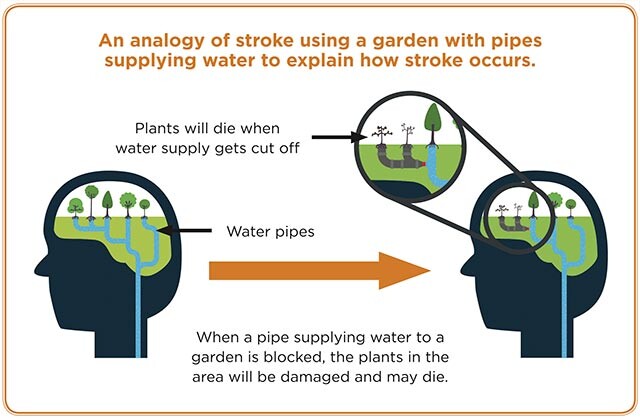
A TIA happens when blood supply to part of the brain is interrupted for a short time. The symptoms match a stroke, then resolve completely and leave no permanent damage.
HealthHub says TIAs have to be taken seriously because a TIA is often a warning of a future major stroke, and the 48-hour figure means the risk is highest in the first two days. A silent stroke, which damages the brain without outward symptoms, also raises the risk of a later stroke.
Who is at risk in Singapore
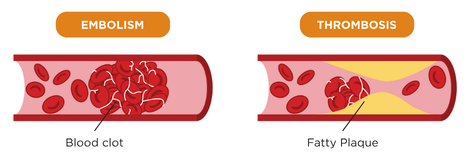
Stroke is the fourth leading cause of death in Singapore and one of the leading causes of adult disability. Around four in five strokes here are ischaemic, caused by a clot blocking an artery to the brain, and the rest are haemorrhagic, caused by a burst vessel.
Age, high blood pressure and diabetes are the major risk factors, but HealthHub notes that stroke among adults under 50 has risen significantly. At the World Stroke Day event, Tan listed managing blood pressure, diabetes and cholesterol, staying physically active, eating healthily and avoiding smoking as ways to cut the risk.
For the activity side, the national physical activity guidelines set the weekly targets, and our guide to Healthier SG screening covers the blood pressure, sugar and cholesterol checks.