The Singapore-New Zealand essential supplies pact signed on 4 May 2026 is not a flashy headline, but it is exactly the sort of agreement small, open economies care about when the world feels less stable. During New Zealand Prime Minister Christopher Luxon’s official visit to Singapore, both sides witnessed the signing of the Agreement on Trade in Essential Supplies.
Prime Minister Lawrence Wong described it at the joint press conference as a first-of-its-kind agreement for both countries and globally, aimed at keeping essential goods flowing during crises or shortages. For Singapore readers, the point is simple: food, fuel and other critical supplies matter most when supply chains are under stress.
What Was Signed
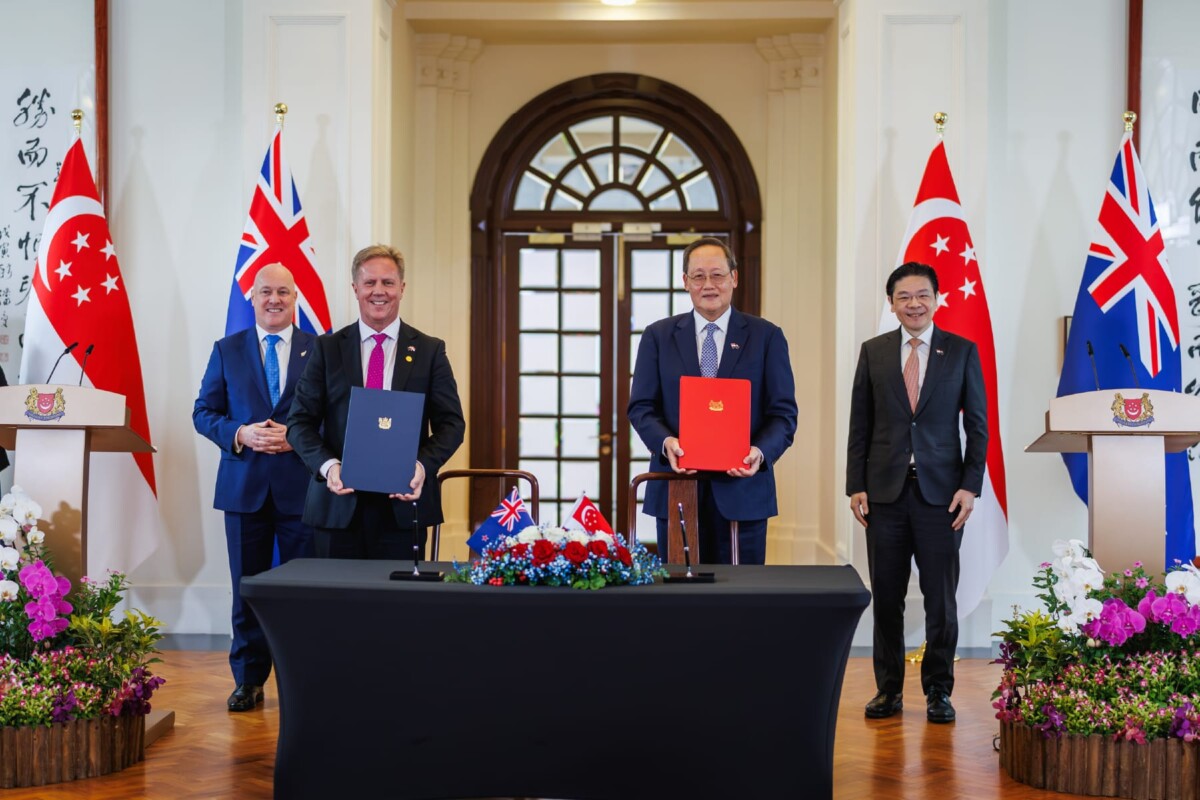
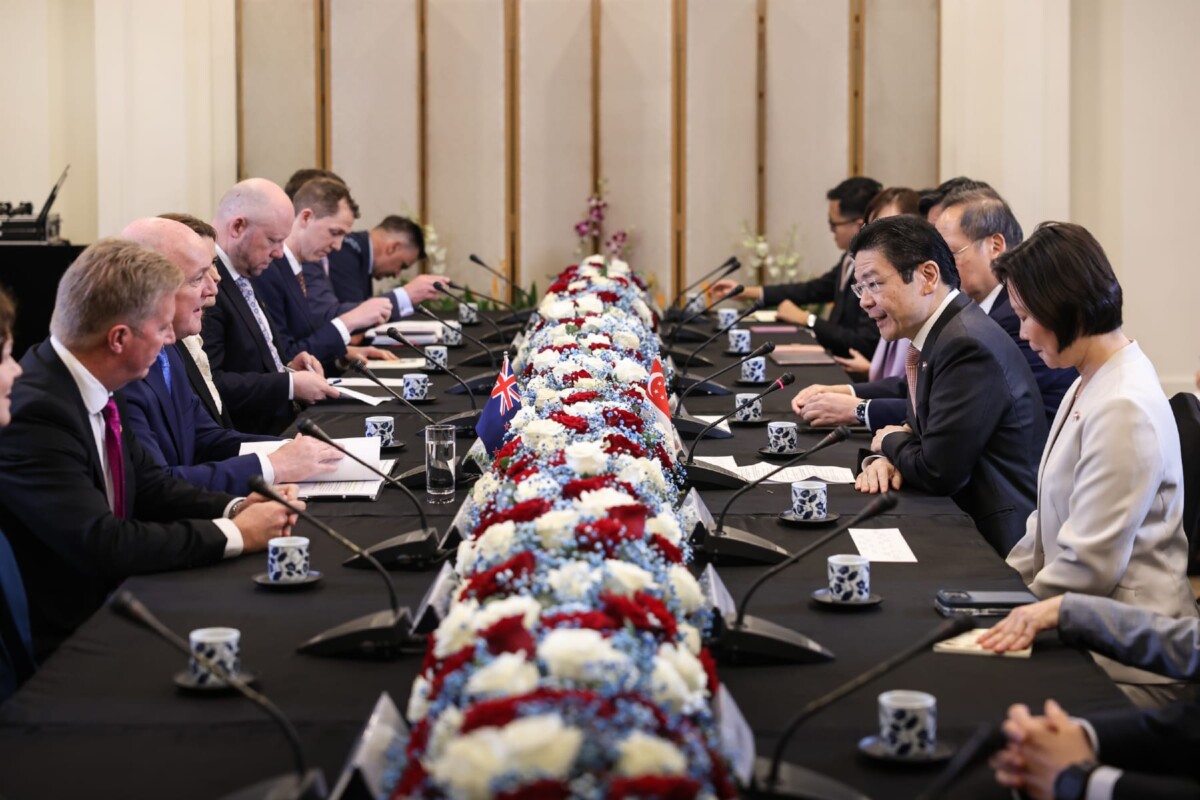
The Agreement on Trade in Essential Supplies was signed during PM Luxon’s official visit on 4 May 2026. PMO’s official visit note says the two Prime Ministers held the inaugural Singapore-New Zealand Annual Leaders’ Meeting and witnessed the signing as part of a broader day of bilateral engagements.
In his press remarks, PM Wong said the agreement commits both sides to keep markets open and essential goods flowing even during times of crisis or shortages. He named food, fuel and other critical supplies as the kinds of goods that become most sensitive when countries face disruption.
The pact sits within a longer Singapore-New Zealand relationship. Both countries elevated ties to a Comprehensive Strategic Partnership in October 2025, and PMO said the two leaders welcomed good progress in bilateral cooperation since that launch.
The visit also included the Singapore-New Zealand Leadership Forum, where senior business leaders from both countries gathered to discuss partnerships and regional opportunities. That business link matters because supply resilience is not only a government-to-government promise; it depends on companies, routes and contracts.
Why It Matters To Singapore
Singapore imports much of what it consumes, so supply-chain resilience is not an abstract policy phrase. When energy markets, food routes or shipping flows are disrupted, the effects can eventually show up in business costs, supermarket shelves and household budgets.
PM Wong connected the agreement to a more unsettled global environment, including conflict in the Middle East and pressure on energy markets and supply chains. His argument was that small, trade-dependent countries feel those shocks directly and need trusted partners that do not turn inward under pressure.
New Zealand is relevant because it is a trusted food and agricultural partner, but the broader logic goes beyond one product category. Singapore’s resilience depends on diversified sources, clear rules and partners willing to keep trade moving when domestic politics elsewhere become more restrictive.
The agreement also sends a signal to businesses. If companies believe both governments are serious about keeping essential supplies moving, it becomes easier to plan investments, logistics arrangements and contingency routes with confidence.
The Regional Trade Context
Singapore and New Zealand have a history of working together on trade architecture. PM Wong referred to agreements such as the P4, which helped lay foundations for the CPTPP, as well as the Digital Economy Partnership Agreement and the Green Economy Partnership Agreement.
The essential supplies pact fits that pattern: move first with a trusted partner, set a rule or template, and show that cooperation can still happen when the wider system is under strain. That is a familiar Singapore strategy because waiting for global consensus can be too slow for small economies.
The timing also matters because Singapore will chair ASEAN next year, while New Zealand will chair the Pacific Islands Forum. PM Wong said this creates an opportunity to bring the regions closer together and strengthen cooperation across a wider area.
For readers who do not follow trade policy closely, the takeaway is practical. Agreements like this are part of the quiet plumbing behind price stability, food security and business continuity. They do not guarantee an easy ride, but they make disruption less chaotic.
Clara Tan’s News Read
The most important line from the press conference was not diplomatic warmth; it was the commitment not to shut each other out during shortages. That is the part Singaporeans should remember because it speaks directly to how countries behave when pressure rises.
In calm periods, open trade sounds obvious. In stressful periods, every country faces the temptation to secure its own supply first. The agreement is Singapore and New Zealand’s way of saying trusted partners should resist that instinct and keep faith with each other.
This does not mean Singapore can relax about resilience. It still needs stockpiles, diversified imports, strong ports, competitive businesses and careful diplomacy. But bilateral agreements can reduce the number of weak points in the chain.
The story is also a reminder that foreign policy often touches daily life indirectly. A handshake at the Istana or a forum speech may feel far from a household grocery bill, but the rules governing food, fuel and essential goods are part of what keeps a city like Singapore functioning.
The next thing to watch is whether the agreement becomes a model for other trusted partners. If similar arrangements are built with more countries, Singapore’s essential-supply network becomes less dependent on any single route or political relationship.
The Bottom Line
The Singapore-New Zealand essential supplies pact matters because it turns trust into a more concrete commitment: keep essential trade flowing when stress hits. That is valuable for two small, open countries that depend on clear rules and reliable partners.
For Singapore readers, the agreement is best understood as part of the country’s resilience toolkit. It will not make global shocks disappear, but it strengthens one trusted channel for food, fuel and other critical supplies when the world becomes harder to predict.
Related on Little Big Red Dot: Business Adaptation Grant, SIA Northern Summer 2026, Singapore Airlines Starlink Wi-Fi.
Official links: PMO visit photos, PMO joint press conference remarks.