Signal & Swarm is entering its final week at ArtScience Museum, which makes this a useful moment for Singapore readers who prefer smaller, idea-led programmes to big-ticket blockbuster exhibitions. The micro festival runs until 10 May 2026 and sits beside the museum’s insect and machine-related exhibitions, using workshops, talks, guided tours, films, live performance and sound to ask how intelligence appears in natural, digital and mechanical systems.
That sounds abstract on paper, but the visitor hook is clear: this is a programme about how cities notice the living and non-living systems around them. Insects, machines, repair culture, artificial intelligence and urban futures are not separate subjects when you live in dense Singapore. They meet in homes, gardens, museums, schools, workplaces and the small devices people carry every day.
Why The Final Week Matters
The closing date gives the festival a sharper planning window. Unlike a permanent gallery, a micro festival depends on specific sessions, timings and capacity. If you have been meaning to visit ArtScience Museum for the Insects programme or one of the related activities, this is the week to check the official schedule rather than leaving it to another weekend.
The useful thing about Signal & Swarm is that it gives different kinds of visitors an entry point. Families can approach it through insects and curiosity. Design-minded visitors can approach it through repair and urban systems. Tech readers can approach it through machines, intelligence and the question of how humans live beside automated tools.
For Singapore, the theme lands well because the city is always negotiating between nature, engineering and convenience. The festival puts that negotiation into a more playful museum setting.
What Kind Of Programme This Is
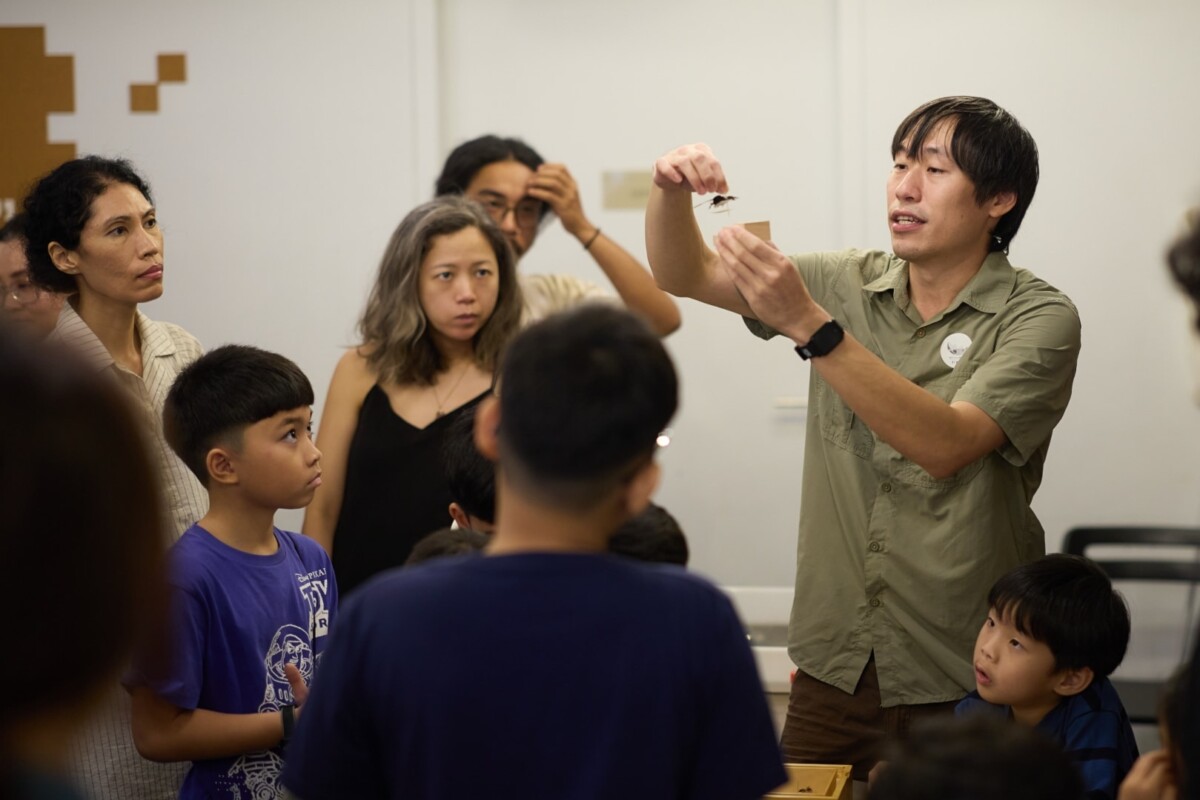
ArtScience Museum describes Signal & Swarm as a micro festival, and that is the right lens. It is not only an exhibition wall with labels. It is a collection of activities that orbit around a shared idea: intelligence can be biological, digital, collective or mechanical.
That means you should plan around the activity type. A workshop needs a different visit than a walk-in activity. A film screening needs timing discipline. A guided tour works best when you arrive early enough to orient yourself before the session begins.
Readers who usually skip museum programmes because they sound too academic may find this one easier to enter. The insect angle makes the science visible, while the machine angle gives it a contemporary Singapore technology edge.
Good Fit For Families And Curious Adults
The festival can work for families because children often understand insects before adults do. They notice movement, texture and odd behaviour quickly. The challenge is to turn that curiosity into care rather than fear, and museum programmes can help by slowing everyone down.
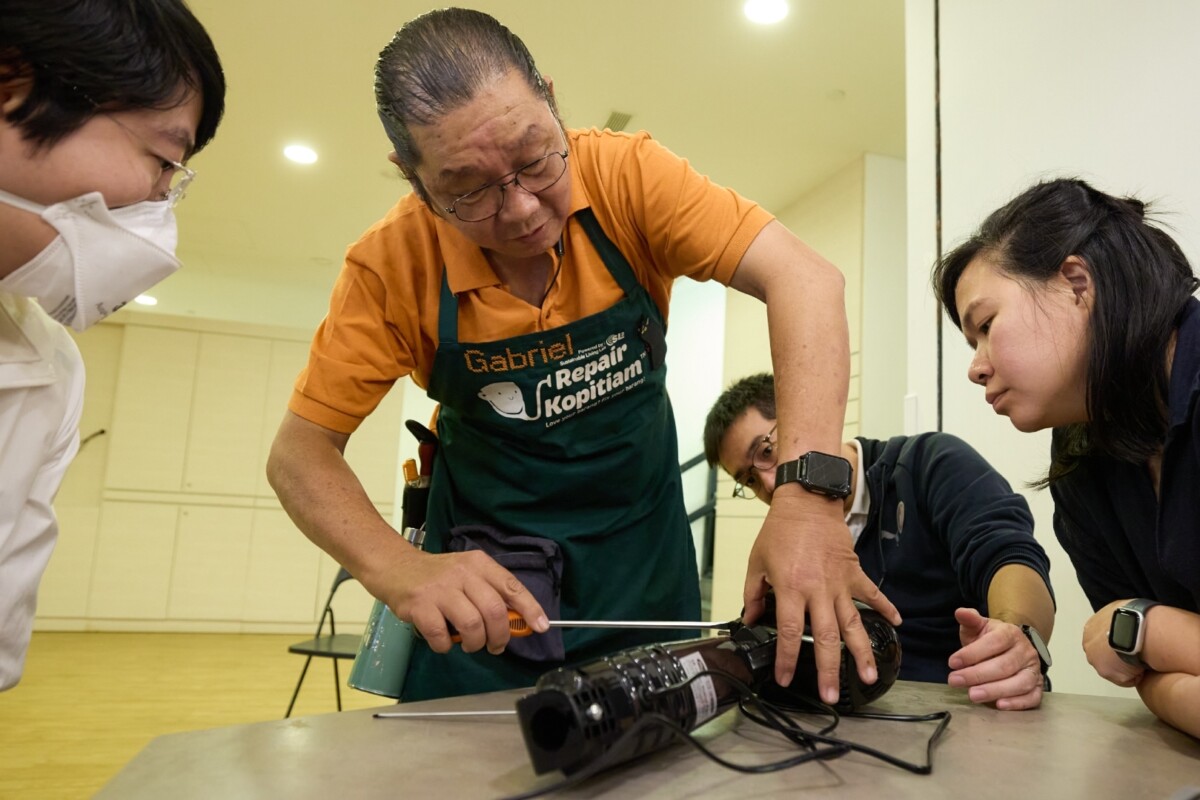
Adults may find the repair and urban-future strands more interesting. Repair culture feels especially relevant in Singapore, where convenience sometimes encourages replacement over maintenance. A programme that links care, objects and collective imagination can make an ordinary habit feel more deliberate.
For mixed-age groups, the best route is to choose one anchor session and leave time around it. Trying to compress every programme into one visit may make the day feel rushed.
How It Connects To The Insects Exhibition
Signal & Swarm is useful because it expands the museum visit beyond looking at insect imagery. It asks what insect life, human systems and machine systems reveal about how people organise a city.
That matters because Singapore’s relationship with insects is complicated. Residents may think of mosquitoes, ants or pests first, but the wider ecological story includes pollination, decomposition, food webs and the invisible work that allows green spaces to function.
By placing insects beside machines and intelligent futures, the festival avoids treating nature as something outside the city. It treats urban life as a layered system, which is a more honest fit for Singapore.
Before You Visit
Check the official programme page for activity dates, ticketing notes and session capacity. Some items may be free, while others may require registration or a museum ticket. The details matter because the festival closes on 10 May, leaving little room for a missed session.
If you are visiting with children, choose a time of day when they still have attention. The museum setting rewards slow looking, but it can become tiring if the visit is bolted onto a long Marina Bay itinerary.
For adults, pair the festival with enough time to read, listen and sit. Signal & Swarm is not a mall pop-up; its strength is in the connections it invites you to make.
ArtScience Museum Location
Address: ArtScience Museum, 6 Bayfront Avenue, Singapore 018974
Opening hours: Check the official programme page for each activity time before visiting
Nearest MRT: Bayfront
Open in Google Maps | Open in Apple Maps
Best Reason To Go This Week
Signal & Swarm is worth a look because it gives Singapore visitors a compact way to think about insects, machines, repair and city life before the programme closes on 10 May. Use ArtScience Museum’s official page for the final schedule and pick the specific activity that fits your group.
Related on Little Big Red Dot: ArtScience Museum Insects exhibition, Singapore HeritageFest 2026, IMDA AI Innovation Challenge.
Official links: ArtScience Museum Signal & Swarm.