
SAF live-firing exercises are scheduled from Monday, 27 April to Monday, 4 May 2026, and MINDEF’s latest public advisory is worth reading if you live near training areas, travel through the western waters, or simply want to know why you may hear loud noises around parts of Singapore this week.
What MINDEF announced
For Singapore readers, the useful question is not simply whether the SAF live-firing exercises is happening, but how it changes the next decision you have to make. MINDEF says Pulau Sudong, Pulau Senang, Pulau Pawai and their surrounding waters are proclaimed live-firing areas during the advisory period. That is why this guide focuses on the practical parts: dates, eligibility, costs, caveats and the small details that are easy to miss when a headline moves quickly.
The advisory also covers Pasir Laba live-firing activity and military exercises in areas including Seletar, Marsiling, Jalan Bahar, Lim Chu Kang, Tuas, Pasir Ris, Bedok, Kranji, Lentor, Sembawang and Mandai. The timing matters because late-April planning in Singapore is crowded with school, work, travel and long-weekend decisions. A clear reading now helps you avoid the usual scramble later, especially when the official terms are spread across event pages, advisories or product notes.
The most important habit is to go back to the official source before acting. Social posts and deal roundups are useful discovery tools, but the final answer should come from the organiser, agency, venue, bank or brand. That is where exclusions, redemption caps, operating hours and last-minute changes usually appear first.
What this means for residents
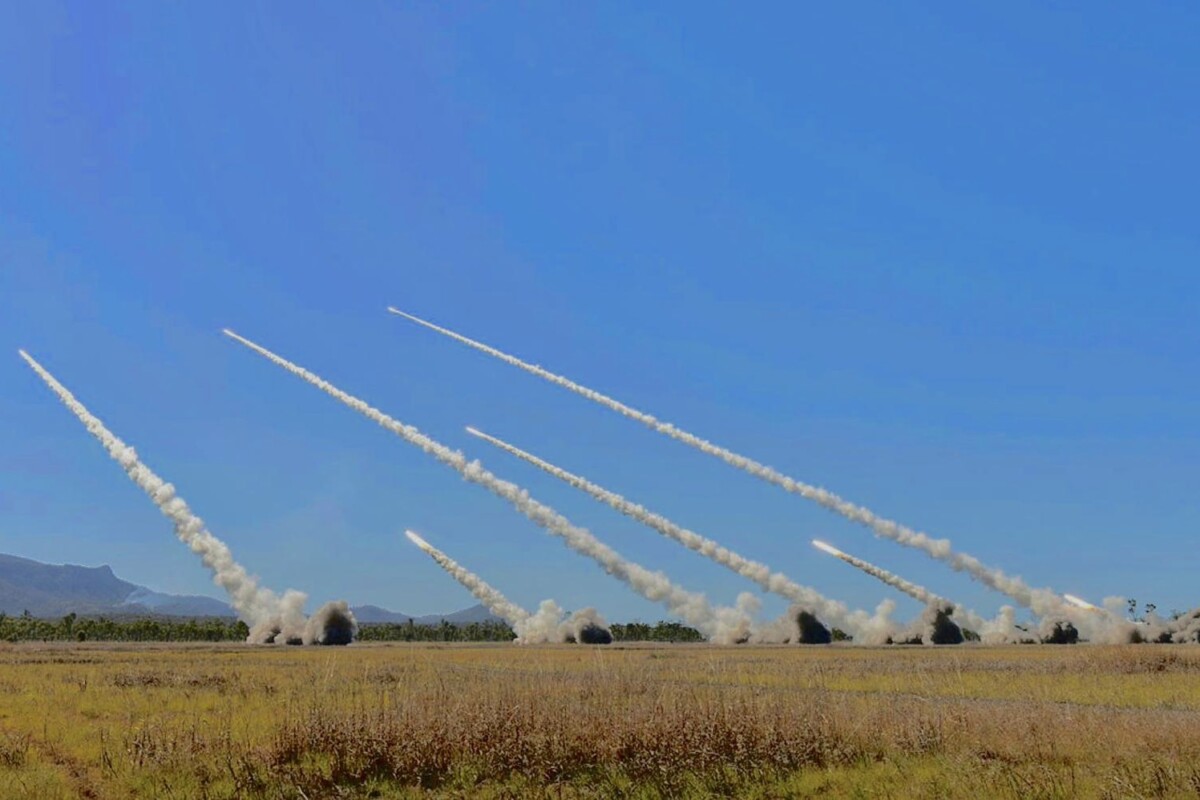
If you hear blanks, thunderflashes, aircraft activity or distant live-firing sounds this week, the key point from MINDEF is not to be alarmed. The advisory exists precisely because these exercises can be audible outside training grounds, especially when weather and wind carry sound further than expected.
Residents near the named areas should still use common sense. Keep children away from restricted land, avoid entering fenced or gazetted spaces, and do not treat quiet stretches near training areas as shortcuts. Trespassing into gazetted firing grounds is an offence, and the safety reason is straightforward: controlled military activity is not designed for casual public access.
For people working from home, caring for infants, or living with seniors who may be startled by loud noises, it may help to mention the advisory in advance. A short heads-up can reduce anxiety when a sudden sound is heard.
Boaters have the clearest action item
The advisory is especially important for sea vessels and craft sailing through the Western Johor Straits. MINDEF states that vessels should keep within the 75m Navigable Sea Lane and not stray into the Live-Firing Boundary. That is not a suggestion to interpret loosely; it is the safety line for the week.
Small-craft users should check route plans before leaving, brief everyone on board, and avoid assuming that a familiar route is fine just because it was clear the previous weekend. Live ammunition and flares are used in these exercises, so the risk profile is different from normal restricted-area signage.
The same principle applies around Changi Naval Base and Tuas Naval Base, where the public is advised to stay clear of prohibited waters. When in doubt, choose the conservative route and check official maritime notices.
How to keep the advisory useful
The most practical thing is to save the advisory dates: 27 April to 4 May 2026 for the main live-firing and military exercises, and 20 April to 30 April for RSAF flying activities from Tengah, Paya Lebar, Sembawang and Changi Air Base as stated in the notice.
If you manage a workplace, school activity, outdoor event, cycling group or boating group near any named area, share the official link rather than paraphrased screenshots. That reduces confusion if dates or details are clarified later.
Singapore’s training footprint is compact because the country is compact. These notices are part of how the SAF keeps training predictable for the public while maintaining safety controls around areas that are not safe for public access.
Why the advisory is more than a noise notice
The useful way to read this SAF live-firing advisory is as a public safety boundary, not merely a reminder that military activity may be loud. MINDEF names both land training areas and maritime zones because the risks are different depending on where you are. A resident in Sembawang or Mandai may only need to understand why there are unusual sounds. A boater near the Western Johor Straits, Pulau Sudong, Pulau Senang or Pulau Pawai has a much clearer operational instruction: keep away from restricted waters and stay within the stated navigable sea lane.
That distinction matters in Singapore because the same notice can affect very different groups. Parents may want to explain the sounds to children before bedtime. Cyclists and hikers should avoid treating quiet access roads near training areas as shortcuts. Anglers and small-craft users should be especially conservative, because a familiar route can become unsafe when a live-firing boundary is active. The advisory also reminds the public not to tamper with anything that looks like military equipment or unexploded ordnance, which is a rare but serious risk around training contexts.
For this week, the practical move is simple: match your plans to the named dates and areas. If you are only commuting through a nearby estate, no special action is usually needed beyond awareness. If you are organising outdoor activities close to named training areas, send participants the official MINDEF advisory rather than a cropped screenshot. If you are going out on the water, check your route before departure and brief everyone on board. The advisory is designed to prevent avoidable surprises, so the safest interpretation is the most literal one.
Related reads on Little Big Red Dot: Singapore HeritageFest 2026 guide, HDB Q1 2026 resale data, Singapore Airlines Riyadh flights.
Official sources: MINDEF SAF Military and Live-Firing Exercises advisory.