
Singapore’s March 2026 trade data looks like a business-page story, but it has everyday consequences. Enterprise Singapore reported that non-oil domestic exports rose 15.3% in March 2026 after a 4.0% increase in February, with electronics continuing to grow on AI-related demand and a low base a year earlier.
The headline numbers
For Singapore readers, the useful question is not simply whether Singapore March 2026 trade data is happening, but how it changes the next decision you have to make. Enterprise Singapore said NODX rose 15.3% year on year in March, while non-oil re-exports expanded 61.4% and total merchandise trade grew 38.5%. That is why this guide focuses on the practical parts: dates, eligibility, costs, caveats and the small details that are easy to miss when a headline moves quickly.
A one-month trade report is not the whole economy, but Singapore’s export cycle is a useful signal because manufacturing, logistics, finance and regional headquarters activity are closely linked. The timing matters because late-April planning in Singapore is crowded with school, work, travel and long-weekend decisions. A clear reading now helps you avoid the usual scramble later, especially when the official terms are spread across event pages, advisories or product notes.
The most important habit is to go back to the official source before acting. Social posts and deal roundups are useful discovery tools, but the final answer should come from the organiser, agency, venue, bank or brand. That is where exclusions, redemption caps, operating hours and last-minute changes usually appear first.
Why electronics are doing the heavy lifting
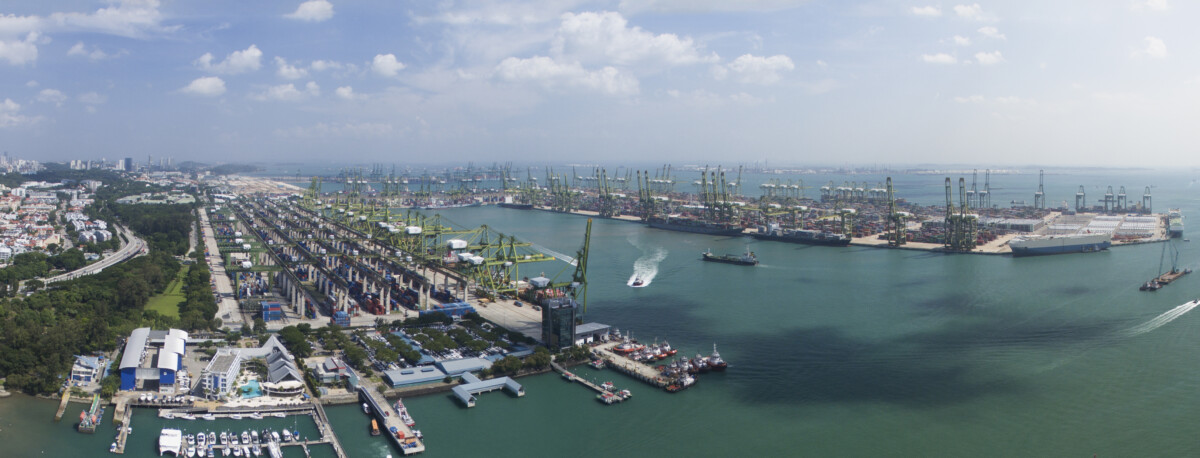
The release points to electronics growth, supported by strong AI-related demand and a low base from a year ago. In plain English, that means global appetite for chips, PCs, disk media products and related supply-chain activity is helping Singapore’s export numbers look stronger.
This does not mean every electronics firm is suddenly booming. Export categories can be uneven, and non-electronics declined in the release. The better reading is that Singapore is benefiting from a particular global cycle while still needing breadth across sectors.
For workers, that distinction matters. AI-linked demand may support roles in engineering, manufacturing, logistics, compliance, sales and data operations. But it also raises the bar for skills. The opportunity is real, yet it rewards people and firms that can move with the cycle.
What SMEs should take from it
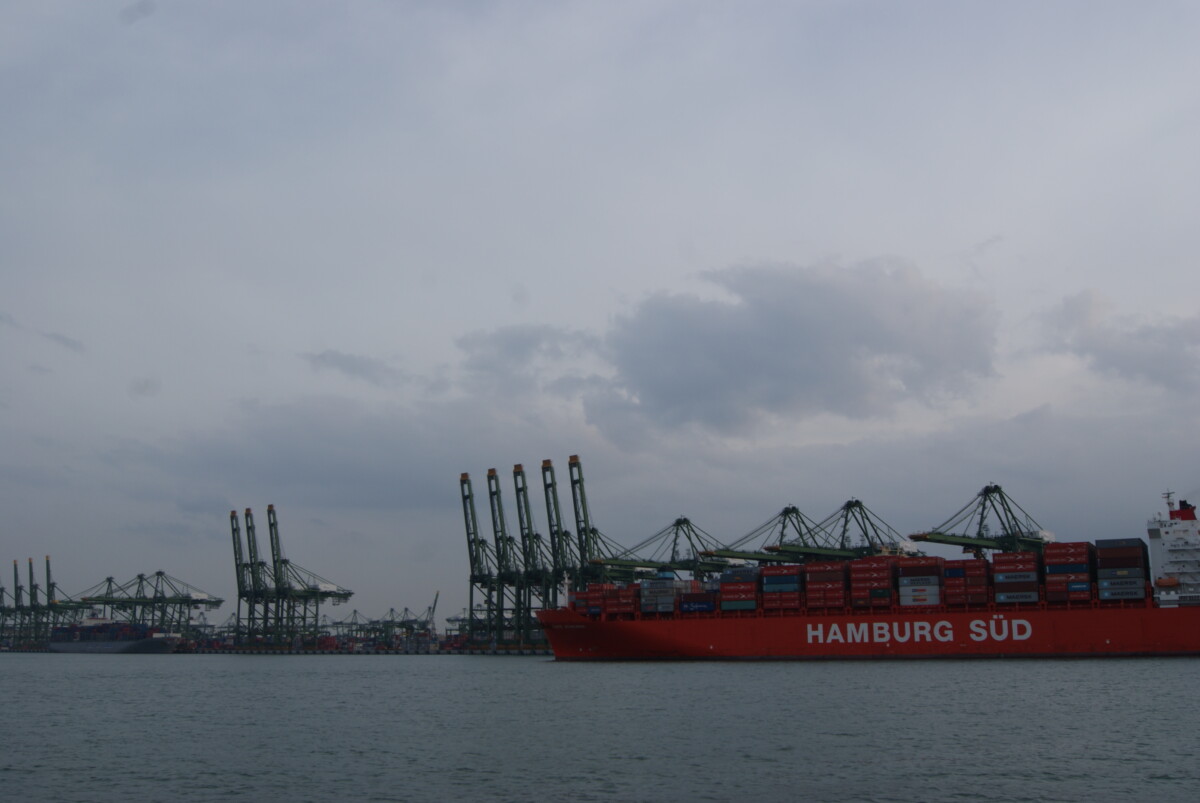
For small and medium-sized enterprises, the trade rebound is a confidence signal, not a reason to over-order inventory blindly. If your business serves exporters, logistics providers, manufacturers or regional offices, stronger trade can improve demand. But foreign exchange, shipping costs and customer payment terms still need close attention.
The practical move is to review customer concentration. If most revenue comes from one sector or one overseas market, a good month can hide risk. If demand is improving, it may be time to strengthen supplier agreements, update pricing, and check whether export financing or government support schemes are relevant.
Singapore companies should also look at where electronics strength creates second-order demand. Facilities maintenance, cyber security, precision services, training, recruitment and business travel can all benefit indirectly when trade-facing sectors pick up.
What consumers should watch next
Consumers may not feel export data directly at the supermarket or MRT station, but it shapes the wider economy. Stronger trade can support employment and wage confidence in trade-exposed sectors. It can also affect the Singapore dollar and business sentiment.
The caveat is that one strong print does not remove uncertainty. Trade is sensitive to global rates, tariffs, supply chains and geopolitical shocks. If the rebound continues over several months, it becomes more meaningful. If it fades, March may look more like a temporary bounce.
The next useful check is the April trade release and whether electronics remains the main engine. A broader improvement across non-electronics would be healthier. For now, the March report is encouraging, but it is best read as a sign of momentum rather than a victory lap.
How to read one strong month without overreacting
The March 2026 NODX rebound is encouraging, but a single month should be read as a signal rather than a settled trend. Singapore’s export data can move sharply because the economy is small, open and highly connected to global electronics, pharmaceuticals, petrochemicals, logistics and regional distribution cycles. When electronics exports improve because of AI-related demand, the headline number can look strong even while other categories remain uneven. That is why the better question is whether the improvement broadens across more products and destinations over the next few releases.
For everyday readers, the value of the report is that it gives a clearer view of the backdrop behind jobs, business confidence and wage conversations. A stronger export cycle can support hiring in manufacturing, supply-chain management, sales operations, compliance, engineering, freight forwarding and corporate services. It can also make companies more willing to invest in equipment, training and regional expansion. The effect is not automatic, and it will not be felt evenly across households, but trade momentum is one of the channels through which global demand reaches Singapore workers.
Businesses should also watch the destination mix, not just the total percentage. If demand is concentrated in a few markets or one product cluster, planning needs to stay disciplined. SMEs serving exporters should use stronger demand to tighten cash collection, review pricing and secure reliable suppliers instead of assuming the good month will repeat indefinitely. Consumers can keep an eye on whether trade strength coincides with steadier employment, a firmer Singapore dollar, or better business sentiment. The March data is therefore useful, but the April and May releases will tell us whether this was a bounce or the beginning of a more durable recovery.
Related reads on Little Big Red Dot: HDB Q1 2026 resale data, Singapore Airlines Riyadh flights, Nike Singapore sale.
Official sources: Enterprise Singapore March 2026 trade release.