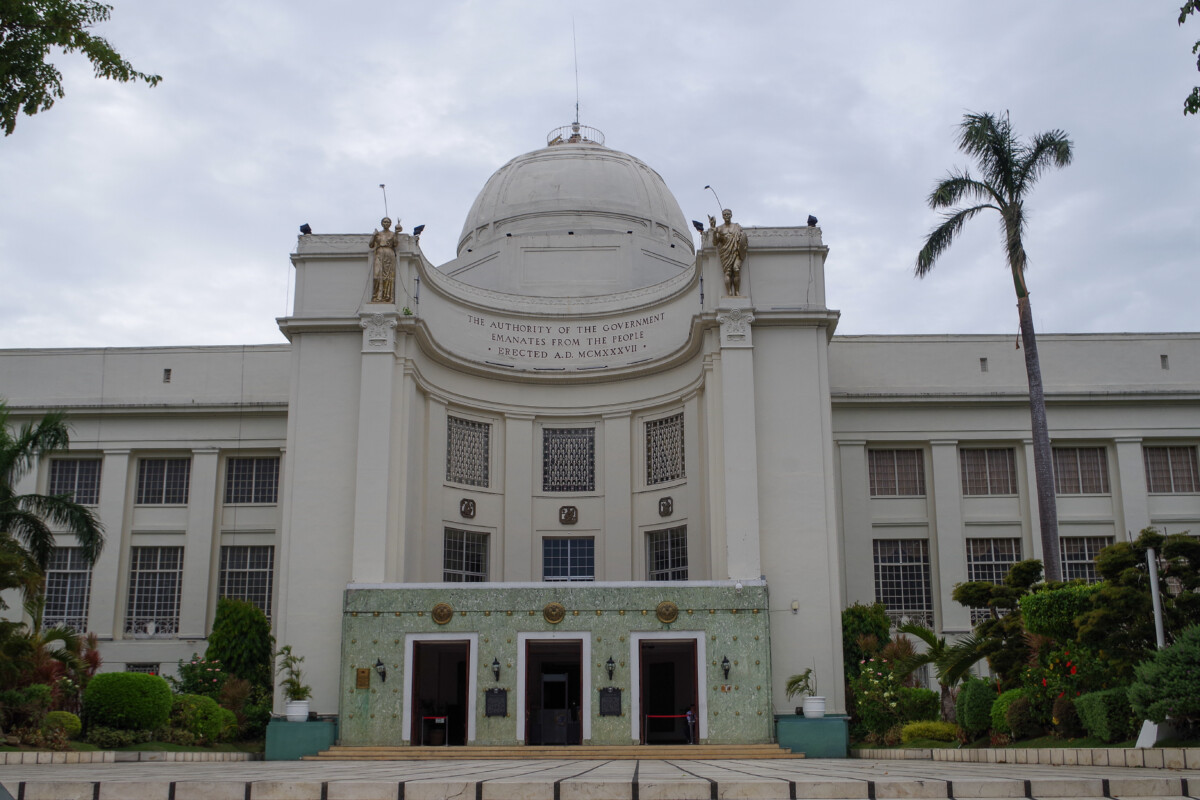
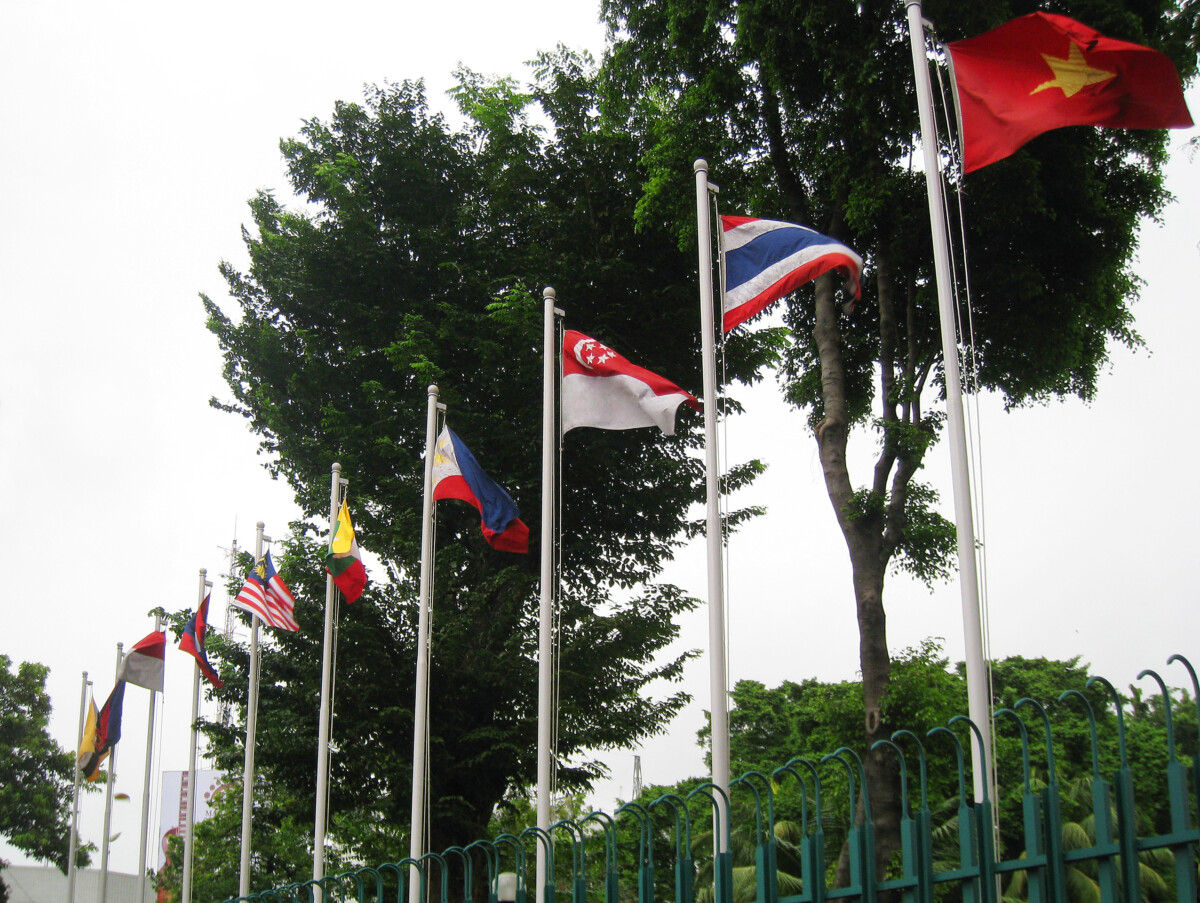
PM Lawrence Wong will attend the 48th ASEAN Summit in Cebu, the Philippines, on 8 May 2026, and the agenda is directly relevant to Singapore even if the meeting is happening outside the country. The Prime Minister’s Office said ASEAN leaders will discuss trade, energy and food security, green energy transition, supply chain disruption and regional stability.
For readers here, the point is not only diplomatic protocol. Singapore is a small, open economy that feels regional stress quickly through prices, supply chains, jobs, travel, investment and food imports. When ASEAN leaders discuss economic integration and external partnerships, the downstream effects can show up in very ordinary places: supermarkets, petrol bills, business costs and hiring plans.
The Cebu meeting also comes at a time when regional governments are trying to keep growth steady while managing global uncertainty. Singapore’s interest is clear: open lanes for trade, reliable partners for food and energy, and a region stable enough for companies to plan beyond the next disruption. Those are not abstract goals for a port city and finance hub.
What PMO Has Announced
PMO said Prime Minister Wong will be accompanied by Mrs Wong and Minister for Foreign Affairs Dr Vivian Balakrishnan. It also set out Acting Prime Minister arrangements: Coordinating Minister for National Security and Minister for Home Affairs K Shanmugam will be Acting Prime Minister on 7 May, while Deputy Prime Minister and Minister for Trade and Industry Gan Kim Yong will be Acting Prime Minister from 8 to 9 May.
Those details matter because overseas leader travel is not only ceremonial. The release tells Singaporeans who is attending, what the broad agenda is, and who covers the Prime Minister’s duties at home while he is away.
The summit’s theme, according to PMO, is “Navigating Our Future, Together”. The phrase is broad, but the listed topics are concrete: trade, energy, food security and green transition in a region still dealing with supply chain and price pressures.
Why Trade Is A Singapore Issue
Trade is the easiest summit topic to connect to daily life in Singapore. When regional trade flows are disrupted, businesses face higher costs, consumers see tighter choices, and workers can feel uncertainty in sectors tied to logistics, manufacturing, tourism and services.
ASEAN integration matters because Singapore’s economy is deeply plugged into Southeast Asia. A smoother region gives Singapore companies more room to sell, invest and hire. A fragmented region makes even simple business planning harder.
That is why bilateral meetings on the sidelines can be important. Formal summit statements set the direction, but smaller leader meetings can help move practical cooperation on specific sectors, routes, projects or regulatory issues.
Energy And Food Security Are Not Abstract
Energy and food security may sound like policy language, but Singapore households understand them through bills and prices. The PMO release points to rising energy prices and supply chain disruption linked to the Middle East situation, which is exactly the kind of external pressure Singapore cannot ignore.
Singapore imports most of what it consumes, so resilience depends on having multiple partners, stable transport routes and strong regional coordination. ASEAN discussions cannot remove global shocks, but they can help countries respond with fewer surprises.
For readers, the useful takeaway is that foreign policy and household cost pressures are connected. The line between a summit room and a supermarket shelf can be shorter than it looks.
Clara Tan’s News Read
This summit is worth following because the agenda sits at the junction of diplomacy and daily cost of living. Singapore cannot control global uncertainty, but it can work through ASEAN to keep trade, energy and food conversations active before pressure becomes a crisis.
The green energy transition is another point to watch. Southeast Asia wants growth, but it also has to manage climate commitments, financing and infrastructure. Singapore’s role will often be as a connector, investor, standards-setter and convenor rather than a country with vast natural resources.
The immediate reader action is modest: read the PMO release for the official facts, then watch for follow-up statements after 8 May. The useful developments will be specific cooperation points, not broad summit language.
What To Watch After 8 May
The most useful post-summit signals will be any concrete references to trade facilitation, energy cooperation, food resilience, green finance or bilateral projects involving Singapore. Those are the items that can travel from a regional meeting into business and household realities.
For now, PM Lawrence Wong’s ASEAN Summit trip is a reminder that Singapore’s domestic comfort is closely tied to regional stability. Cebu may be the venue, but the agenda is very much a Singapore story.
Related on Little Big Red Dot: Beyond The Screen, InsureXpo by CIMB 2026, National Family Festival 2026.
Official links: Prime Minister’s Office press release.