
Beyond the Screen is the Singapore item to put on your radar today because IMDA and Tencent have launched a digital wellbeing campaign aimed at healthier gaming habits and stronger family conversations. The useful part is not the headline alone. It is how the dates, eligibility rules and venue details translate into a real decision for readers here.
The IMDA release describes Beyond the Screen: Healthy Digital Play as a campaign that brings families into the discussion instead of framing digital play only as a child-control problem. For Little Big Red Dot readers, the clearest way to read this is through the local friction points: timing, transport, booking steps, family schedules, payment mechanics and whether the official details are specific enough to act on now.
What The Campaign Actually Says
IMDA says Beyond the Screen is designed around healthy digital habits, family conversations and real-world connection. That matters because Beyond the Screen sits in the part of daily life where a vague announcement is not enough. Readers need to know whether the window is open now, whether there is a booking or application step, and what they should compare before committing time or money.
Parents should notice that the language is not only about taking devices away; it is about making digital play easier to talk about at home. This is where Singapore context changes the reading. A family planning around school runs, a worker checking lunch-hour errands, or a resident comparing weekend options will look at the same official page very differently from a casual browser.
That makes the campaign more practical for households that already have games in the routine. The practical test is simple: if the official page gives a date, price, venue, eligibility rule or redemption cap, treat that as the anchor. Everything else should be judged against that anchor rather than against social media summaries.
Why Tencent’s Role Matters
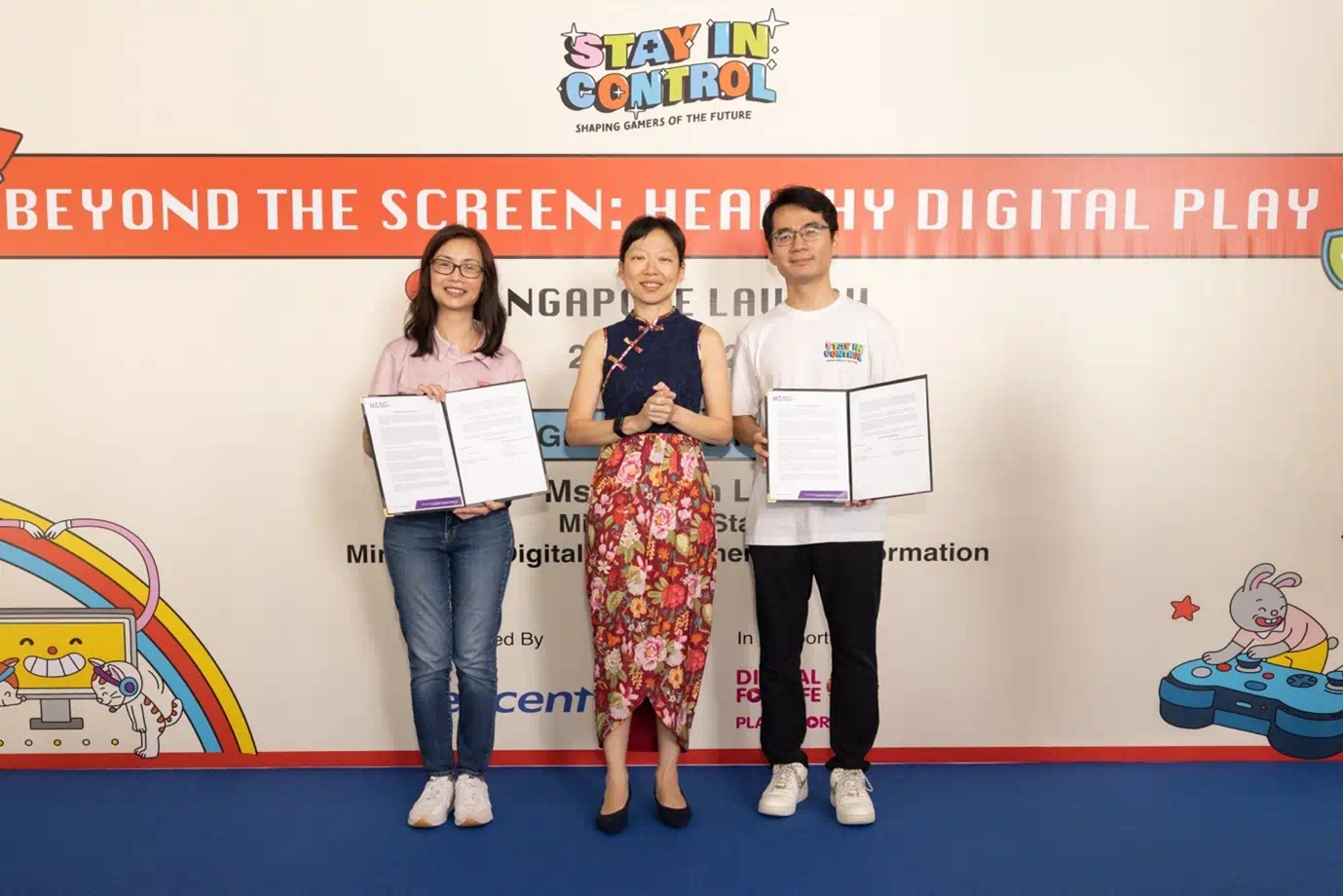
Tencent’s involvement matters because gaming platforms shape the environment in which children and teens spend time. It is also worth checking the surrounding details because a Singapore reader usually makes the decision in layers: first whether the item is relevant, then whether the timing works, then whether the cost or effort makes sense.
For Singapore parents, a platform partnership can make advice feel less detached from what children actually use. The best use of the source is to separate firm information from interpretation. Firm information includes official dates, named partners, addresses, card or account conditions, ticketing links, and stated programme mechanics.
The campaign should be judged by whether families get usable prompts, not by whether it sounds neat in a launch release. If those details line up with your week, the story becomes useful immediately. If one detail is uncertain, such as a slot, seat, branch, qualifying spend or application status, settle that before assuming the headline value applies to you.
The Family Conversation To Have

The useful conversation is about timing, sleep, homework, friends and mood after play. The images and official materials point to a subject with enough substance for readers to inspect, not just a passing listing. That is important for Little Big Red Dot because local articles should help you recognise the actual event, product, venue or service when you see it.
A blanket rule may be easy to state, but children tend to respond better when the family names what good and bad play sessions look like. For households, the useful reading is often less glamorous than the announcement. It can be the address, nearest MRT, age rule, spending cap, card type, claim step, match date or application deadline that decides whether this deserves attention.
Use the campaign as a doorway into house rules that everyone understands before the next argument starts. A good habit is to keep the official source close when acting on the article, but only for the exact facts named here. That means checking the stated registration page, sale page, booking page or organiser update, not drifting through unrelated summaries.
Clara Tan’s News Take
The strongest part of the announcement is the shift from panic to practice. There is a second-order point too: Singapore readers often compare options within a tight calendar. Public holidays, school terms, weekend crowds, card billing cycles, sales caps and venue access can all change the real value of a headline.
Singapore families do not need another scolding about screen time; they need language for balancing games with rest, school, outdoor time and friendships. That is why the recommendation here is not to chase the broadest claim. Look at the exact terms, then decide whether it fits your normal behaviour. A saving that requires forced spending, a family event that creates transport stress, or a housing deadline missed by a few days can quickly become less attractive.
The measure of success will be whether this becomes a conversation parents can actually repeat at home. The strongest version of this story is therefore practical rather than noisy. Use the official page for the non-negotiables, use local judgement for the calendar, and ignore anything that cannot be traced back to the named source.
The Practical Read
Beyond the Screen is worth watching because it treats digital play as a family behaviour, not just a device problem. Read the IMDA release for the official framing, then translate it into one or two house rules that are specific enough for children and parents to follow.
A practical household version could be as simple as setting a school-night stop time, deciding where phones charge overnight, and agreeing what happens when a game runs long. Those details sound small, but they are the part parents and children actually negotiate when digital play becomes a daily routine.
Related on Little Big Red Dot: LumiHealth deadline guide, ArtScience Museum Insects guide, Lion City Sailors SPL title story.
Official links: IMDA Beyond the Screen release.