
Peck Hay Road and River Valley Green GLS sites have become the latest prime-property watch points for Singapore buyers who are trying to understand where Core Central Region prices may move next. URA’s Government Land Sales pipeline matters because today’s tender sites become tomorrow’s new launches, and the land price developers pay now will shape what buyers see in showflats later.
The two locations sit in very different buyer conversations. Peck Hay Road points to Newton, schools, medical access and central-city convenience. River Valley Green points to the Singapore River fringe, Great World access and a neighbourhood that has already seen several launches in recent years. The practical question is not whether both are attractive addresses. It is whether future pricing can still make sense for owner-occupiers and investors once tender competition, construction cost and developer margins are added.
Why GLS Tenders Matter Before A Showflat Opens
Homebuyers often start paying attention only when a condo name, showflat and indicative price list appear. By then, the commercial logic has already been set. A GLS tender gives the first clue because the winning land bid creates a floor under the future project’s economics.
If developers bid aggressively, buyers should expect a launch that needs strong per-square-foot prices to work. If bids are more measured, there may be more room for rational pricing. That does not guarantee affordability, but it changes how much pressure sits on the eventual selling price.
For Peck Hay Road and River Valley Green, both sites are in prime areas where scarcity is part of the appeal. That scarcity can support demand, but it also raises the risk that buyers anchor too heavily on location prestige and too lightly on total quantum.
Peck Hay Road: Newton Convenience Comes With A Premium Lens
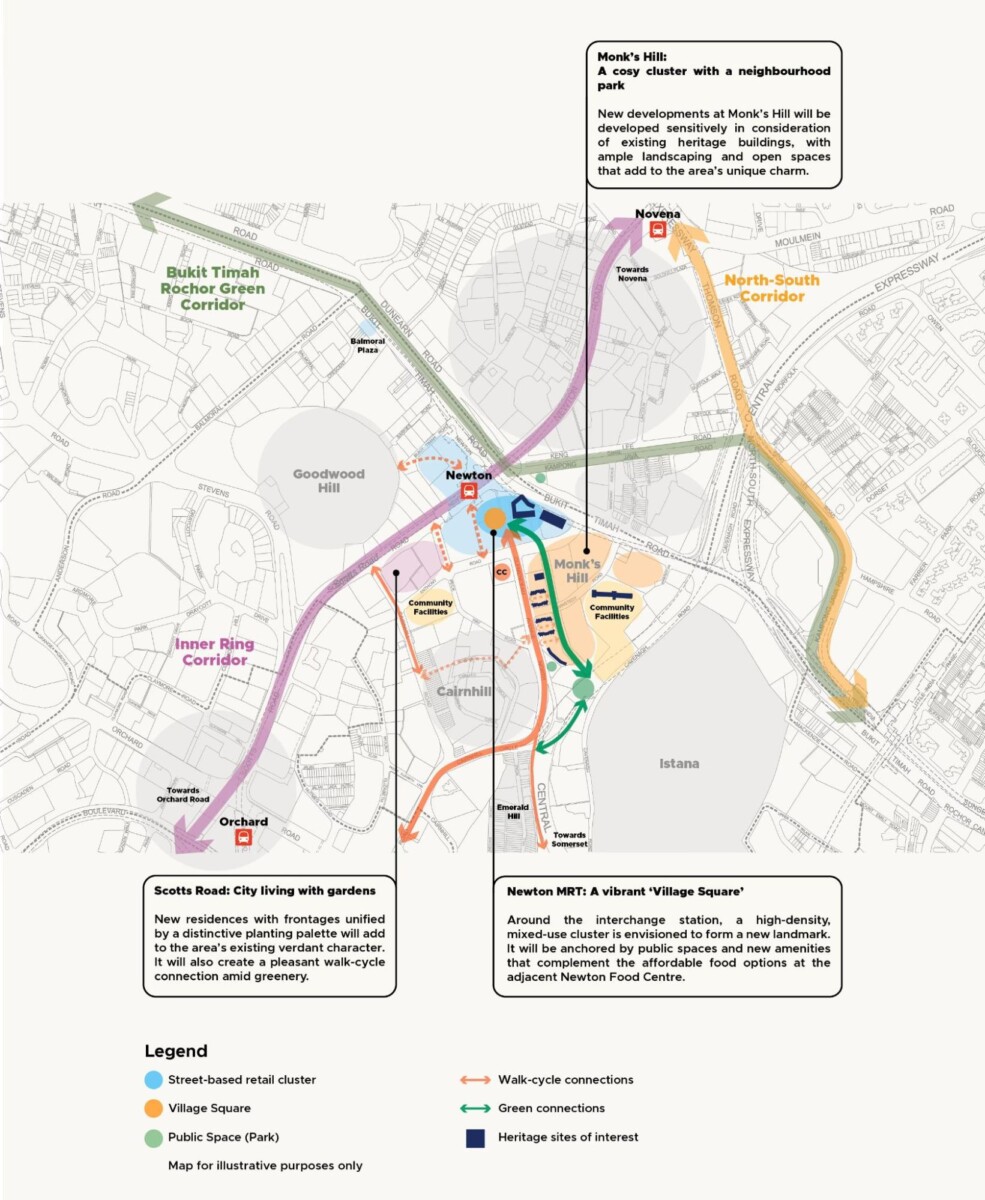
The Newton angle is easy to understand. A future project at Peck Hay Road would sit close to town, MRT connectivity, established private housing and daily amenities. For families, the central location can reduce commute friction. For investors, Newton’s rental pool may include expatriates, medical professionals, finance workers and tenants who value quick access to Orchard and the CBD.
The challenge is that a good address does not automatically create a good buy. CCR new launches already require careful budgeting because smaller units can still carry large absolute prices. Buyers should model monthly payments, buyer’s stamp duty, maintenance fees and a realistic rental scenario before assuming a Newton project is automatically resilient.
The site’s future unit mix will be important. A project dominated by compact units could attract investor interest, while larger layouts may lean towards owner-occupiers who want central living. Either way, the land bid will be the first number to watch.
River Valley Green: A Familiar Area With Fresh Supply Questions
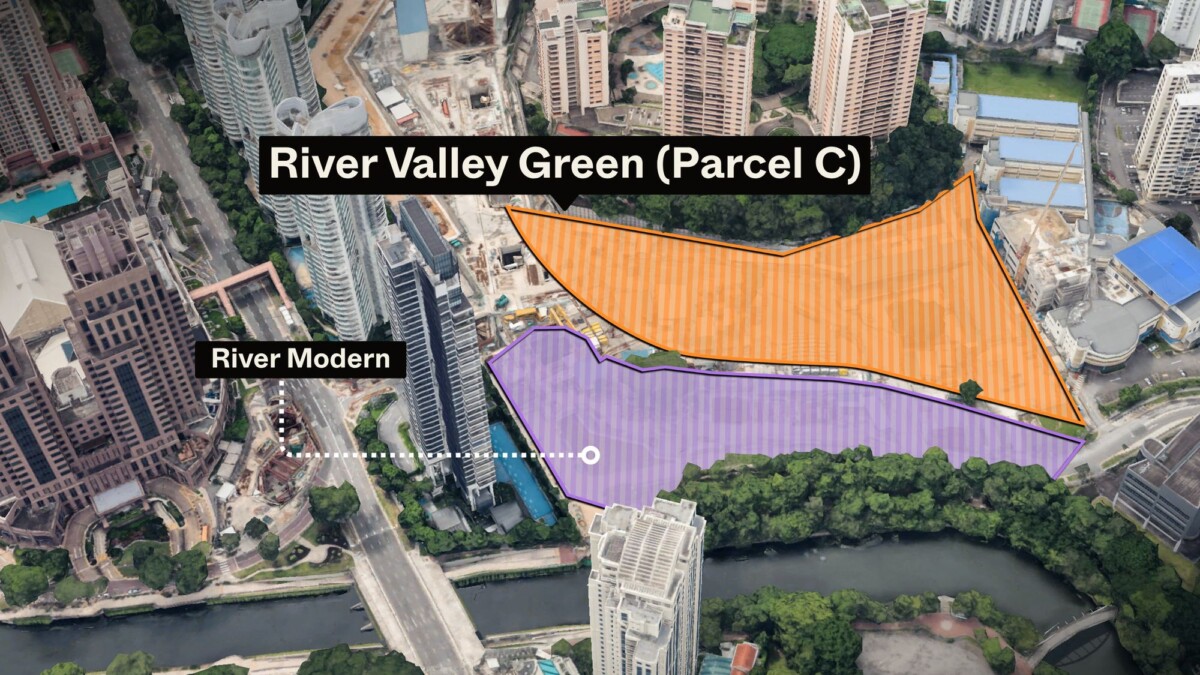
River Valley Green Parcel C belongs to a neighbourhood that many Singapore buyers already track because of Great World, Robertson Quay, Orchard fringe access and river-side lifestyle positioning. That familiarity helps demand, but it also means buyers will have recent comparables to study.
The useful comparison is not only with older resale condos nearby. Look at recent and upcoming launches around River Valley and Zion Road, then ask whether a new Parcel C project would need a clear advantage in layout, facilities, transport access or price.
This part of the market can appeal to both locals and foreigners, although cooling measures have changed the foreign-buyer equation. Local buyers should be especially careful with total debt servicing and cash buffers if future launch prices lean heavily into the prime-location story.
What Developers May Be Testing
Developers looking at these sites are not only buying land. They are testing confidence in the high-end buyer pool, construction timelines, financing cost, and whether Singapore households still see CCR property as a long-term store of value.
A tender with many bidders would signal that developers still want prime residential inventory. A more cautious tender would suggest that land appetite is being tempered by higher buyer resistance and recent supply. Both outcomes are useful signals for homebuyers.
The post-tender analysis should look beyond the winning price. Count the number of bids, the spread between top bids and the identity of the winner. A narrow spread may suggest shared market conviction, while one aggressive top bid can create a more project-specific pricing challenge.
How Buyers Can Prepare Before Launch Day
The most practical move now is to build a comparison sheet rather than a wish list. Track recent transacted prices in Newton and River Valley, future supply, expected unit sizes and the likely buyer profile for each location.
Owner-occupiers should decide the maximum total price they can accept before marketing begins. Investors should stress-test rental yield after property tax, maintenance and vacancy. A prime address can reduce vacancy risk, but it does not remove financing risk.
When the tender closes and the winning bid is known, compare the implied breakeven with resale alternatives. That is the point where a general GLS story becomes a real buying decision.
Also watch how agents and developers frame the eventual project. If the marketing leans heavily on scarcity, check whether the floor plan, storage, facing and maintenance cost still work for daily living. A central address is valuable, but buyers live inside the unit, not inside the tender headline.
The Tender Number Will Set The Tone
Peck Hay Road and River Valley Green are worth watching because they sit in prime districts where land scarcity, buyer aspiration and pricing discipline meet. The sensible reader move is to follow the tender result first, then judge the future launch against real affordability, nearby resale options and rental math.
Related on Little Big Red Dot: URA Q1 2026 property statistics, IKEA High Five Singapore deals, Singapore HeritageFest 2026.
Official links: URA GLS sites for tender, URA media room, Stacked Homes site analysis.