If you are planning a renovation for your HDB flat in 2026, you are in for a treat. The design landscape has shifted dramatically this year, moving away from the cold, clinical minimalism that dominated homes in recent years toward something far warmer, more personal, and more liveable.
From warm minimalism and curved furniture to biophilic design and stealth home offices, here is everything you need
to know about the biggest HDB renovation trends in Singapore for 2026 — plus what you can expect to pay.

Warm Minimalism: The Biggest Trend of 2026
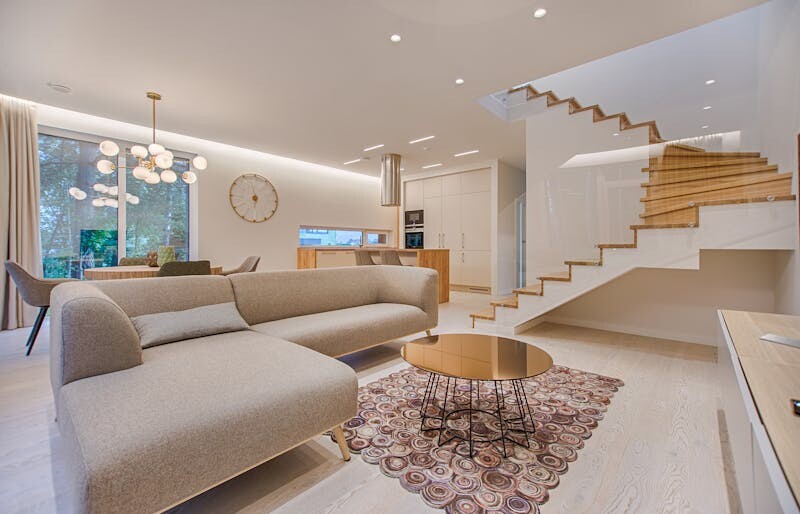
If there is one trend that defines HDB interior design in 2026, it is warm minimalism. Think of it as minimalism with a soul — the clean lines and uncluttered spaces are still there, but the stark white walls and cold surfaces have been replaced with warm beige tones, natural wood textures, and cosy fabrics.
Interior designers across Singapore are calling this the “humanisation of simplicity.” It is not about adding more stuff to your home — it is about making the simple things feel inviting. White walls are giving way to warm beige, sage green, terracotta, and soft mushroom colours. Materials like rattan, linen, and light-toned timber are being used to add warmth without clutter.
And if there is one finish that has become the king of 2026, it is limewash paint. This textured, slightly uneven paint finish gives walls a soft, organic look that feels far more interesting than a flat coat of emulsion. It works beautifully in living rooms and bedrooms, adding visual depth without overpowering the space.
Curved Designs Are Everywhere
One of the most visually striking trends this year is the widespread adoption of curved furniture and architectural elements. From sweeping sectional sofas to rounded dining tables and arched doorways, curves are softening the hard edges that have dominated Singapore homes for years.
This trend is not just about aesthetics — there is a practical element too. Curved furniture pieces tend to be more forgiving in tight HDB spaces, as they create better flow and make rooms feel less boxy. A rounded kitchen island, for example, is easier to navigate around than a sharp-cornered rectangular one.
If you are looking to incorporate curves without a full renovation, start with smaller pieces like a round coffee table, an arched mirror, or a curved bookshelf. These can make a significant visual impact without breaking the bank.
Biophilic Design: Bringing Nature Indoors
Biophilic design — the intentional incorporation of natural elements into built environments — has gone from a luxury trend to a mainstream necessity in 2026. More homeowners are craving a meaningful connection with nature within their own homes, and it shows.
In practice, this means more indoor plants (of course), but also natural stone surfaces, wooden ceiling beams, large windows that maximise natural light, and even small indoor water features. Some homeowners are going further by incorporating living walls — vertical gardens mounted on interior walls that double as both décor and air purification.
For HDB flats, where outdoor space is limited, biophilic design can be as simple as choosing furniture made from natural materials, using earthy colour palettes, and positioning your layout to make the most of whatever natural light your unit receives.
The Rise of the Stealth Home Office
With hybrid work now firmly entrenched in Singapore’s working culture, the home office has become a non-negotiable feature for many homeowners. But in 2026, the trend is not about creating a dedicated study room — it is about the “stealth office.”
A stealth office is a workstation that can disappear when you are not using it. Think workstations tucked into wardrobes, desks hidden behind fluted panels, or fold-away setups concealed within custom cabinetry. When the laptop closes, the office vanishes, and you are back to enjoying your living space.
This trend is particularly relevant for smaller HDB flats where dedicating an entire room to a home office is not feasible. By integrating work areas into existing furniture, homeowners can have the best of both worlds — a functional workspace and a clutter-free home.
Future-Proofing Your Home
According to interior design experts featured on Qanvast, one of the biggest shifts in 2026 is homeowners choosing to renovate based on how their needs might change in the future, rather than just their current lifestyle.
This means more adaptable spaces — rooms that can serve multiple purposes as family circumstances change. A nursery that can easily convert to a children’s study room, or a guest bedroom with built-in storage that can become a hobby room. Modular furniture and flexible layouts are key to this approach.
For young couples buying their first BTO, this forward-thinking approach can save significant money in the long run by avoiding the need for a second renovation when life circumstances change.
How Much Will Your HDB Renovation Cost in 2026?
Let us talk numbers. Renovation costs have risen across the board due to ongoing material price increases and labour shortages. Here is a rough guide to what you can expect to pay for a full HDB renovation in 2026:
3-Room BTO: $25,000 to $45,000 for a basic to mid-range renovation. Expect to pay toward the higher end if you want custom carpentry and premium finishes.
4-Room BTO: $40,000 to $62,000. This is the sweet spot for most Singaporean families, and prices vary significantly depending on the extent of hacking (wall removal) and the quality of materials used.
5-Room BTO: $45,000 to $70,000 for a comprehensive renovation. Larger units naturally cost more, but the per-square-foot cost is often lower than smaller flats.
Resale HDB flats: Add 20-30% on top of BTO prices, as resale flats typically require more demolition work, additional plastering, and sometimes electrical rewiring before the actual renovation can begin.
These figures are for mid-range renovations. If you are going for a luxury finish with high-end materials and extensive custom carpentry, costs can easily exceed $100,000 for larger units.
Tips for Keeping Renovation Costs Down
If you are watching your budget, here are some practical tips to manage your renovation costs without compromising on style:
Prioritise carpentry wisely. Custom carpentry is the single biggest cost driver in most renovations. Focus on built-in storage where it matters most (kitchen and master bedroom) and use freestanding furniture elsewhere.
Choose laminate over solid wood. Modern laminates look remarkably close to real wood and cost a fraction of the price. For most HDB renovations, the visual difference is negligible.
Keep the original layout. Hacking walls is expensive — not just for the demolition, but for the rebuilding, replastering, and often the electrical rerouting that follows. If your existing layout works reasonably well, keeping it can save thousands.
Shop during renovation fairs. Events like the Home Design and Décor Exhibition often offer significant discounts on renovation packages, materials, and furniture.
Consider a DIY approach for simple tasks. Painting, installing floating shelves, and assembling flat-pack furniture are all achievable for the average homeowner and can save hundreds or even thousands in labour costs.
BTO Supply in 2026
For those waiting for their dream home, HDB has announced plans to launch approximately 19,600 BTO flats in 2026 across three sales exercises in February, June, and October. Many 3-room BTO projects from the 2020-2022 launch period are also reaching their Minimum Occupation Period (MOP) in 2025-2026, which means more resale options are entering the market.
Read more: Planning to modernise your new space? Pair your renovation with the best budget smart home devices for Singapore homes in 2026. And if you need affordable kitchenware and home appliances, don’t miss the Isetan NEX Closing-Down Sale.
Whether you are renovating a new BTO flat or refreshing a resale unit, 2026 is shaping up to be an exciting year for home design in Singapore. The shift toward warmer, more personal, and more adaptable living spaces is a welcome change — and one that makes the renovation process feel less about following trends and more about creating a home that truly reflects who you are.