If you have ever trudged down a set of wobbly aircraft stairs and across a hot, wet apron to a waiting bus, there is good news. The Changi Airport satellite gate, the airport’s first, begins handling selected flights from August 2026, bringing sheltered aerobridge boarding to travellers whose planes park at remote stands. It is a small change on paper, but one that could make a real difference on the days your flight is not parked right at the terminal.
Here is what the new facility is, how it works, and what it means for your next trip out of Changi.
What is the Changi Airport satellite gate?
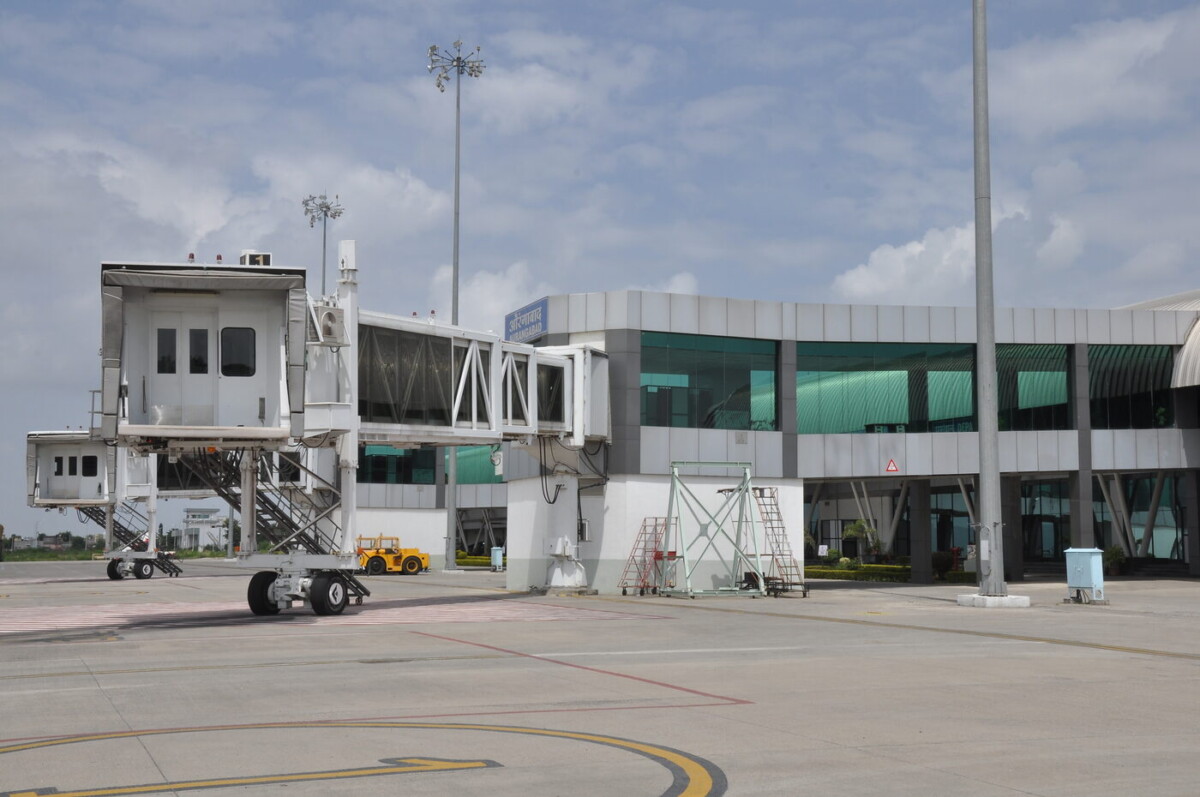
The satellite gate is a standalone, 200-square-metre boarding and disembarkation building sitting out on the airfield rather than attached to a terminal. Air-conditioned and fitted with two aerobridges, it lets passengers on remote-stand flights board and get off their aircraft under full shelter, in any weather. It is designed to handle both narrow-body and wide-body aircraft, so everything from a regional jet to a long-haul widebody can use it.
Changi Airport Group completed construction in July 2026 and, after operational trials involving more than 500 staff since May, will start using the gate for selected flights from August 2026.
Why remote stands matter to you
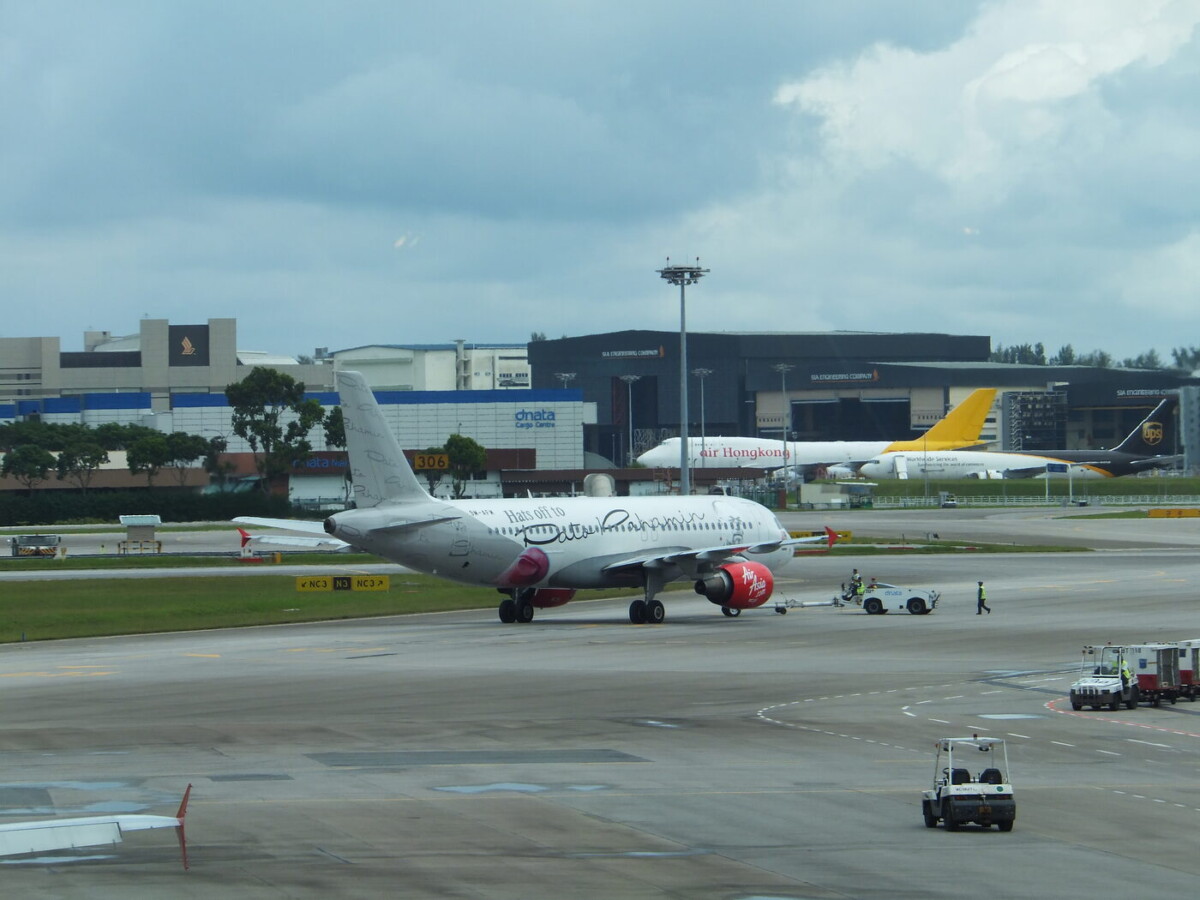
Around 98 per cent of passenger flights at Changi already use contact gates with aerobridges built into the terminals. The remaining flights are assigned to remote stands, which the airport leans on to squeeze the most out of its apron during busy periods of the day. If you fly budget carriers or travel at peak times, you are the traveller most likely to end up on one of these flights.
Until now, a remote stand meant a bus ride from the gate followed by an open-air walk and a climb up aircraft stairs, exposed to Singapore’s sun and sudden downpours. The satellite gate keeps the bus transfer but replaces that exposed stretch with a covered route through two aerobridges.
How boarding through the satellite gate works
The passenger journey is straightforward. When it is time to board, buses carry departing travellers from the terminal out to the satellite gate. From there, a gently sloping 60-metre ramp leads up to two aerobridges on the upper level, which connect directly to the aircraft door. Arriving passengers do the reverse: they disembark into the sheltered facility, then transfer to waiting buses for the ride back to the terminal.
That 60-metre ramp is the detail worth noting. Instead of stairs, the gentle gradient is far easier for wheelchair users, and much friendlier for seniors, families pushing strollers, and anyone dragging a wheeled cabin bag. If mobility, heat or rain have ever made apron boarding a hassle for you, this is the part that helps most.
What stays the same
To be clear, the bus transfer between terminal and aircraft does not disappear. You will still ride a bus if your flight is on a remote stand. What changes is the boarding experience at the aircraft end, which becomes sheltered, step-free and comfortable rather than exposed.
A greener, smarter building
The satellite gate is also built as a zero-energy facility, powered entirely by rooftop solar panels, with electricity stored in a nearby off-grid battery system so it does not draw on the airport’s main supply. Its air-conditioning switches on automatically based on real-time flight information, cooling the space just ahead of crew and passengers rather than running around the clock. Electrical faults are even detected and flagged wirelessly to maintenance teams at the main terminal for a faster fix.
Part of a bigger Changi build-up
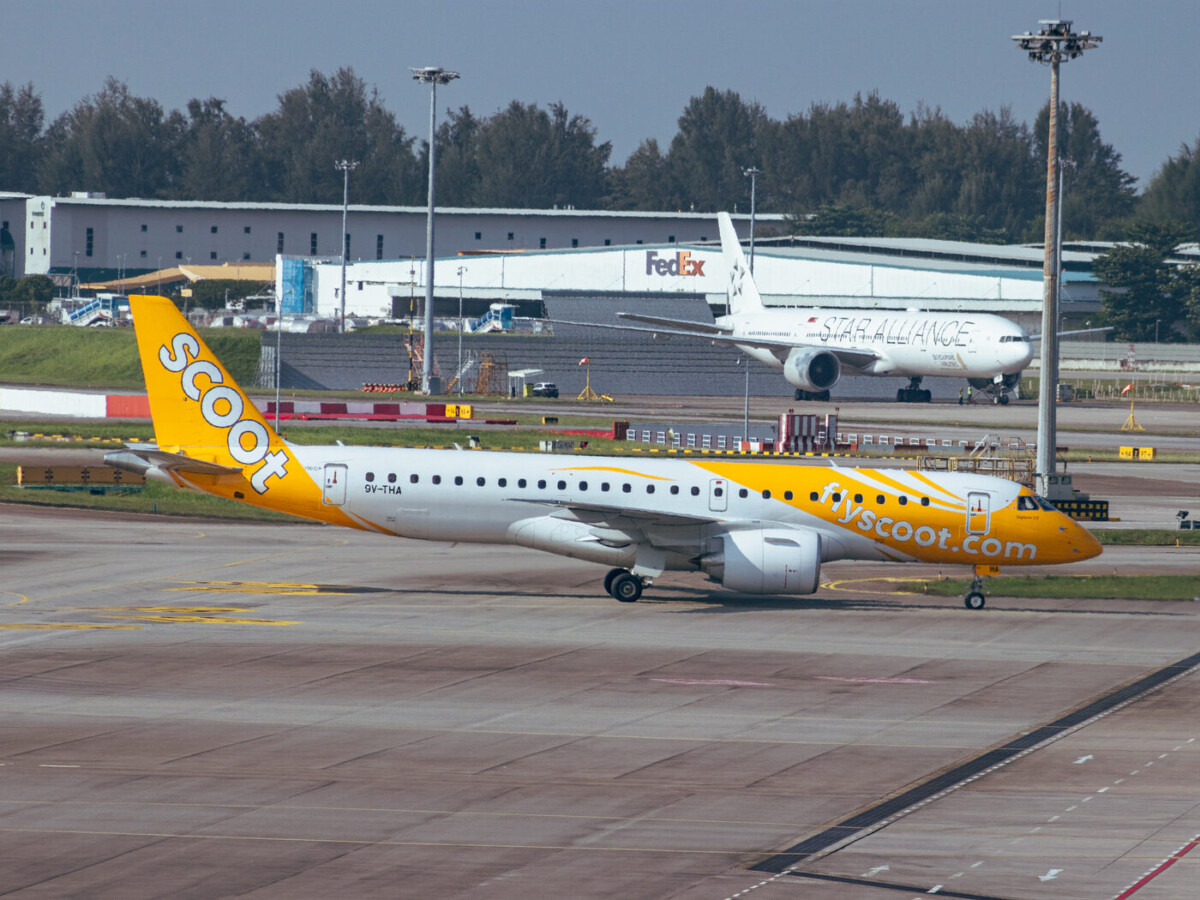
The satellite gate is one piece of Changi’s long-term capacity planning as passenger numbers keep climbing ahead of Terminal 5, due to open in the mid-2030s. Airport managers say remote-stand facilities like this one give them more flexibility on peak days when the contact gates are all in use, helping keep the passenger journey smooth. If you want the wider picture on where Changi is heading, see our look at the 10 new city routes Changi is eyeing before Terminal 5.
The upgrade also lands in a good year for the airport, which was named the World’s Best Airport by Skytrax in 2026, its second year running at the top and a record 14th title overall.
What it means for your next flight
You will not get to pick the satellite gate, since it is assigned to selected remote-stand flights rather than something you book. But the practical takeaway is simple: if your Changi departure or arrival happens to be on a remote stand, especially during peak travel periods, there is now a decent chance the walk to or from your plane will be sheltered, air-conditioned and step-free rather than an open-apron scramble.
For budget flyers chasing cheap fares, that is a small but welcome comfort upgrade. Planning your next trip out of Changi? Have a look at the latest Scoot flight deals from Singapore and the current Singapore Airlines fare sale before you book.
Information is accurate as of 1 August 2026 and based on Changi Airport Group announcements. Facility roll-out to specific flights is at the airport’s discretion.