Changi Airport new routes are firmly back on the agenda, with the Changi Airport Group (CAG) revealing a shortlist of up to 10 direct destinations it wants to add before the giant Terminal 5 opens in the mid-2030s. For Singapore-based travellers, it points to a future where cities that today need an awkward transfer could soon be a single non-stop flight away.
Speaking during a media interview on 13 July 2026, Lim Ching Kiat, executive vice-president for air hub and cargo development at CAG, described these underserved cities as “white spots” with little air connectivity to Singapore. The plan is to plug the gaps in Changi’s network across Asia and beyond, particularly to provincial capitals with sizeable populations and real spending power.
Why Changi wants more Changi Airport new routes now
At present, about 85 per cent of flights operating at Changi Airport head to destinations within the Asia-Pacific. CAG expects the region to generate the bulk of passenger traffic over the next decade, so most of the new links being chased are in Asia rather than long-haul markets.
The numbers show why demand is being watched closely. Changi handled 17.6 million passengers in the first quarter of 2026, up 2.3 per cent on the same period a year earlier, even as travel to the Middle East softened. Monthly figures have been more muted since, with 5.73 million passengers in April and 5.68 million in May. More non-stop routes to fresh markets are one way to keep the growth engine running.
The 10 destinations on Changi’s radar
CAG and industry analysts have named a clear wishlist of “missing” cities. Grouped by region, here is where Changi wants to fly:
South-east Asia: closer neighbours
Two Indonesian cities, Banda Aceh and Banjarmasin, are on the list, alongside Hai Phong and Da Lat in Vietnam. Da Lat in particular is a favourite with holidaymakers for its cool highland climate, flower gardens and cafe culture, and a direct flight would make it far easier to reach than the current one-stop routings.
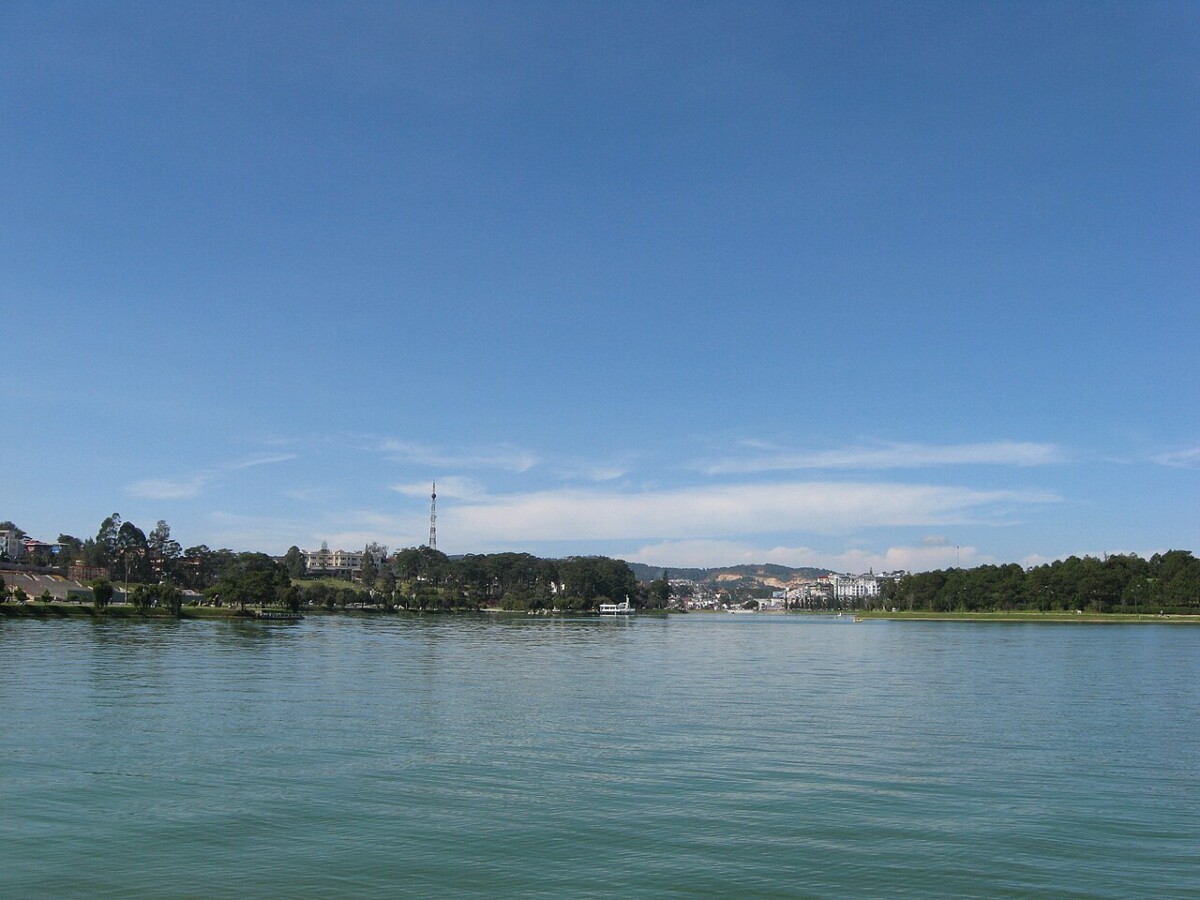
India: fast-growing second-tier cities
Lucknow and Jaipur are both being targeted. Jaipur, the “Pink City” and a gateway to Rajasthan’s forts and palaces, is a bucket-list destination for many Singapore travellers, while Lucknow anchors one of India’s most populous states. Growing appetite from Indian carriers makes these among the more likely near-term additions.

Central Asia and western China: the long shots
The most ambitious picks are Almaty in Kazakhstan and Tashkent in Uzbekistan, plus Urumqi and Hohhot in China. These are genuine “white spots” with almost no direct links to Singapore today, and they would open up Silk Road itineraries that currently require two or more connections.
When could these flights actually take off?
Timelines vary a lot. Mayur Patel, Asia-Pacific commercial and industry affairs leader at aviation data consultancy OAG Aviation, believes the South-east Asian and Indian links will come first. He estimates flights to Hai Phong, Da Lat, Lucknow and Jaipur could materialise within the next one to two years, while Banda Aceh and Banjarmasin may take two to three years.
Almaty and Tashkent are likely to take longer, as they depend on airline fleet decisions and bilateral air services agreements between governments. Urumqi and Hohhot are geographically tricky and would probably need Chinese carriers to operate them, so their launch hinges on slot availability at both ends. In short, treat the near-term names as realistic and the Central Asian pair as a “watch this space”.
Terminal 5 and the bigger picture
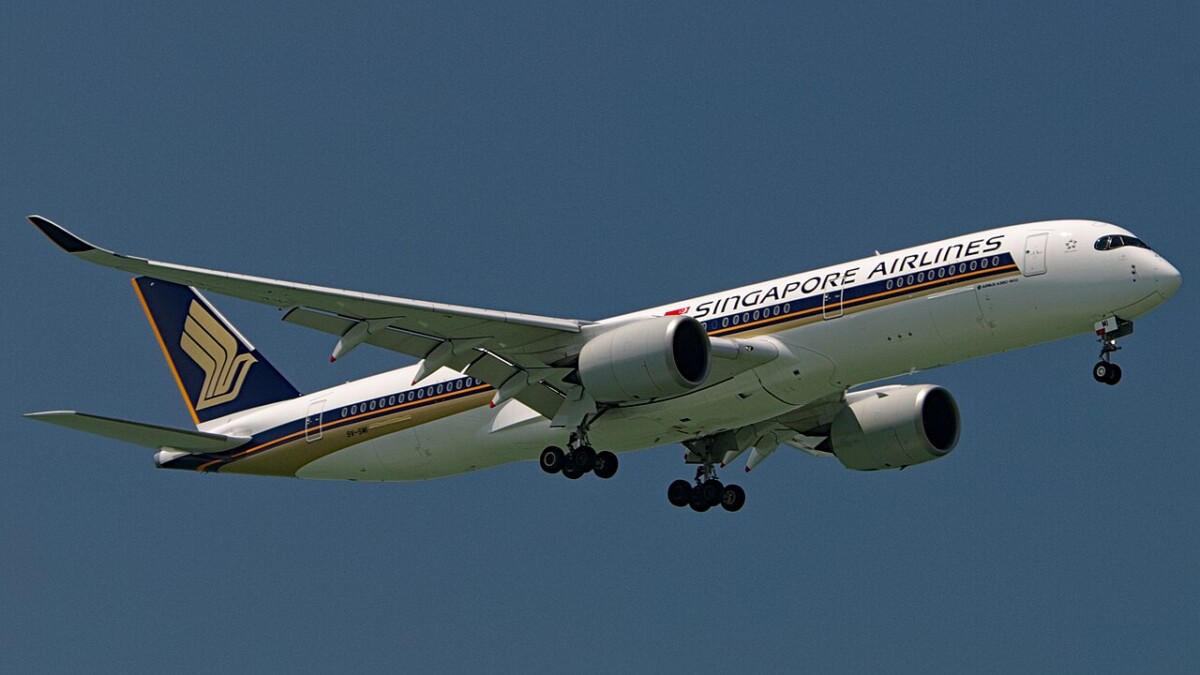
The route push is tied to Changi’s enormous Terminal 5 project, which broke ground in 2025 and is due to be completed in the mid-2030s. Once open, T5 will lift Changi’s capacity to around 140 million passengers a year, over 55 per cent more than its present ceiling of about 90 million. All Singapore Airlines and Scoot flights are expected to move to the new terminal when it opens.
More capacity only pays off if there are more places to fly, which is exactly why CAG is lining up destinations now. The airport is also leaning into its role as a stopover hub: more than half of transit passengers currently spend at least three hours at Changi, giving them time to enjoy Jewel and the terminals between connections.
What it means for Singapore travellers
Nothing is bookable yet, and these routes still depend on airlines committing aircraft and regulators signing off. But the direction of travel is encouraging: more choice, potentially lower fares as new routes compete, and shorter journeys to destinations that today involve a change of plane.
While you wait for the new links to appear, there is plenty on offer right now. If you are chasing a deal, keep an eye on the latest Singapore Airlines fare sale to more than 60 destinations. For a quick reset closer to home, our Bintan weekend getaway guide and Chiang Rai direct-flight plan are ready when you are.
We will update this story as Changi confirms which of these Changi Airport new routes get the green light. For now, it is a welcome sign that Singapore’s air hub is thinking big well before Terminal 5 turns on the lights.