Shin splints account for 6 to 16 per cent of injuries in runners, according to physiotherapists at Singapore General Hospital (SGH), and up to 22 per cent among aerobic dancers. The pain runs along the inside of the shin, goes away with rest and comes back when running starts again.
One cause on SGH’s list is doing too much too soon: increasing activity, intensity or duration too quickly. That matters for anyone stepping up mileage for a year-end race.
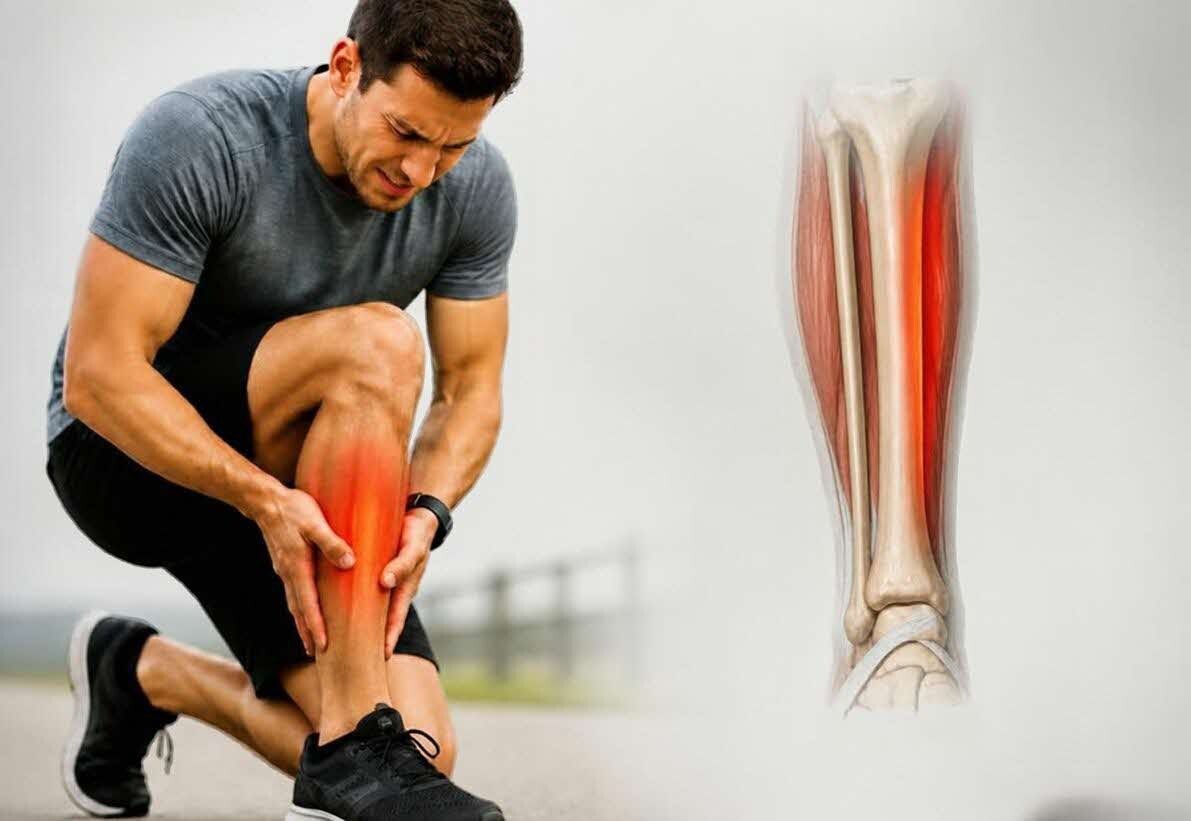
What shin splints are
Shin splints, also called medial tibial stress syndrome, is a description of symptoms rather than a diagnosis. Changi General Hospital’s (CGH) sport and exercise medicine team gives the most common cause as inflammation of the periosteum, the outer lining of the shinbone, as the lower leg muscles pull on it.
Signs include tenderness, soreness or pain along the inner shin, mild swelling in the lower leg and small bumps that can be felt along the bone.
Common causes
SGH’s physiotherapy department lists these:
- Muscle imbalance in the lower limbs, including weak core muscles
- Tight calf and plantar muscles
- Improper stretching or warm-ups before exercise
- Increasing activity, intensity and duration too quickly
- Running uphill or downhill, or training on uneven or hard surfaces
- Improper or worn-out footwear
People with flat feet are more likely to get shin pain. The foot tends to roll inwards on landing, which twists the shinbone and overworks the muscles around it.

How to prevent them
SGH’s advice is to warm up and stretch before any exercise, wear running shoes that fit, plan any rise in frequency, intensity or duration carefully, and add lower limb and core strengthening to training. CGH adds shock-absorbing insoles and stretching the lower leg muscles, especially the tibialis posterior.
For a first marathon, SGH physiotherapists suggest a treadmill stress test before training. Once cleared, start at a distance within your tolerance, such as 1km to 2km for a beginner, then add 500m or 1km a day until you reach the target.
Treatment
In the early, painful stage, the advice is rest and ice. CGH’s sport and exercise medicine team suggests ice or cold therapy for 10 to 15 minutes at a time. SGH says over-the-counter pain relief may also help with pain and swelling.
SGH does not recommend giving up activity altogether. Stretching and lower limb and core strengthening should carry on. Where foot mechanics are part of the problem, suitable shoes or medial arch supports can limit excessive pronation, the inward roll of the foot.
At CGH, doctors may prescribe pain medication and analyse running style for over-pronation and other foot problems, and sports physiotherapy can include stretching, strengthening, taping and electrotherapy. Exercises a physiotherapist may prescribe include single leg mini squats, step-ups, forward lunges, standing calf stretches and soleus lunge stretches.
When to see a doctor
Shin pain often starts at the beginning of a run and fades as exercise continues, but SGH warns that prolonged activity makes it persist. If it gets worse, the pain can linger after exercise stops or during basic daily tasks.
In severe cases, shin splints can progress to stress fractures, and SGH says women are 1.5 to 3.5 times more prone to these. A stress fracture needs sufficient rest, and sometimes crutches or a cast, until the bone heals. SGH advises seeing a doctor for further investigation if any symptoms persist.
This article is general information, not medical advice. See a doctor about persistent or worsening pain.