Cat licence fees Singapore owners pay are no longer zero. The two-year grace period under AVS’s Cat Management Framework ended on 31 August 2026, and from 1 September 2026 it is an offence to keep an unlicensed pet cat. If your cat was licensed during the transition, you are probably fine for now. If you kept putting it off, this is the checklist.
The fees, steps and limits below come from the Animal & Veterinary Service (AVS), a cluster of NParks.
Cat licence fees Singapore owners pay from 1 September 2026
Cats and dogs now share one fee table. Sterilising your cat is by far the cheaper route, so this is where the money is.
For your first three cats and/or dogs, AVS lists these fees per animal. A 10 per cent rebate applies if you pay by GIRO, online or at AXS, and the prices below exclude it.
- One-year licence: S$15 for a sterilised cat, S$90 for an unsterilised one.
- Two-year licence: S$25 sterilised, S$165 unsterilised.
- Three-year licence: S$230 per unsterilised cat.
- One-time licence for a sterilised cat, valid for its lifetime: S$35.
- Kittens below five months old: S$15 each.
Do the maths and the one-time licence is the obvious pick for a sterilised cat, as it costs little more than two one-year renewals. A three-year licence for an unsterilised cat automatically converts to a one-time licence once you update its sterilisation status on the system.
Fees go up sharply from the fourth cat or dog in a household. AVS also sets a reduced S$15 one-year fee for a fourth animal, but only if it is a sterilised cat adopted from one of its animal welfare rehoming partners.
How to license your cat step by step
Everything runs through the Pet Animal Licensing System (PALS) at pals.avs.gov.sg. The order matters, because PALS will not accept an application for a cat that has no microchip.
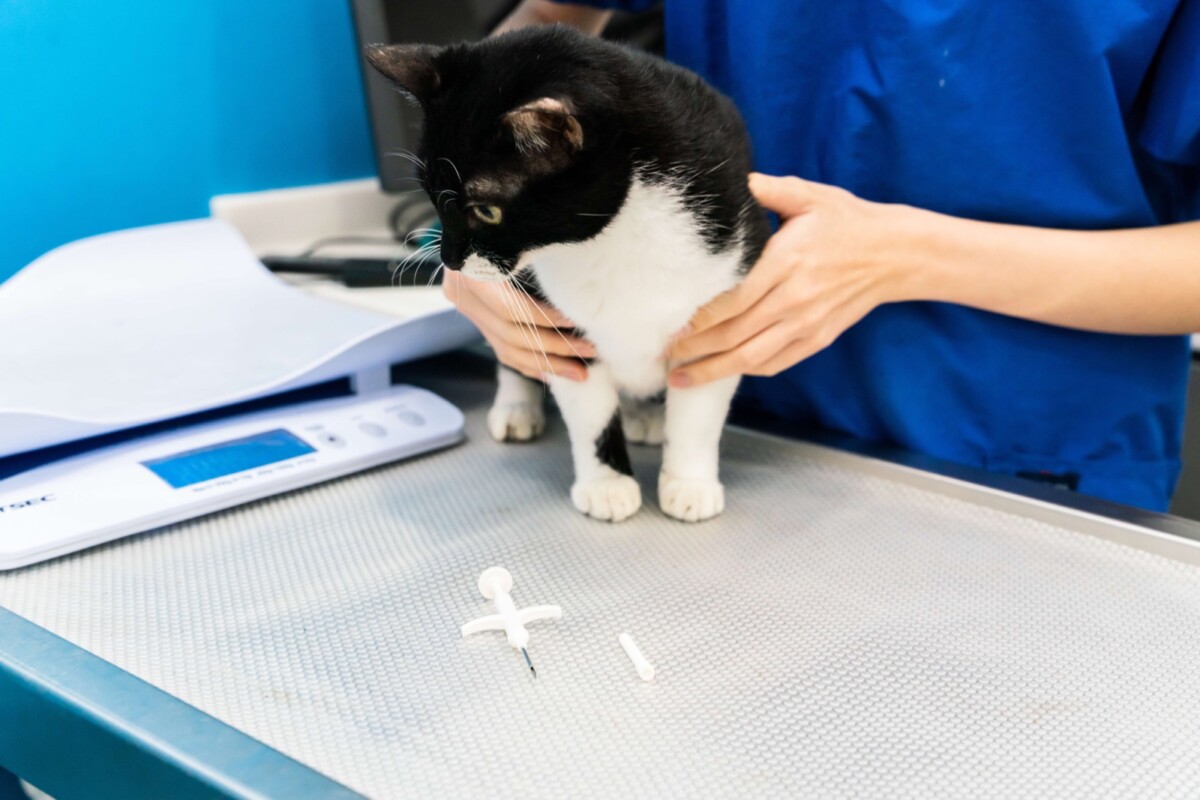
- Microchip your cat at a vet clinic. AVS stopped its free microchipping drives, so from 1 September 2026 you pay the clinic directly, and prices vary by clinic.
- Take the free online Pet Ownership Course if you are a first-time applicant. It runs 20 to 30 minutes, and Singpass holders can register through the course link on the AVS site.
- Gather your papers. A sterilisation certificate, vet examination letter or vaccination card showing sterilisation status is needed for the lower fee, and adopted cats need the animal welfare group’s adoption or fosterer agreement.
- Apply on PALS and pay by PayPal, Mastercard or Visa, at an AXS station or app, or set up GIRO for renewals.
Renewals can be done on PALS up to eight weeks before the licence expires. If you want GIRO, AVS says to submit the form at least four months before expiry.
House rules that come with the licence
A licence is not just paperwork. AVS expects owners to keep cats safe from hazards, including fitting mesh, grilles or screens to stop them roaming or falling from height. In public, a cat must be under physical control, so a harness or carrier it is.
Numbers are capped too. HDB flats can keep up to two cats, plus one dog of an approved breed, and AVS notes that breaching HDB’s rule can draw a fine of up to S$4,000. Private homes can keep a maximum of three cats and/or dogs combined.
Owners who licensed more cats than that during the transition can keep those existing cats. Owners who missed the deadline can now only license up to the limit. If you are changing a flat’s setup to cat-proof it, check our guide to HDB renovation permit rules first, and while you are at it, the HDB home fire safety checklist covers cables and chargers that curious cats love to chew.
Where to get help with the cost
The Pet Cat Sterilisation Support (PCSS) programme helps lower-income households sterilise and microchip their cats. You qualify if you are a financial assistance recipient (for example through MSF or your CDC), a blue CHAS card holder, or living in a Public Rental Scheme flat. Registration goes through the Cat Welfare Society, AVS’s PCSS partner.
PCSS reimbursement caps, GST inclusive, are:
- Microchipping: up to S$30.
- Routine male sterilisation: up to S$110.
- Routine female sterilisation: up to S$230.
- Complex sterilisation: up to S$350.
- Pre-sterilisation boarding: up to S$40 a day, and transport up to S$60 a round trip.
Fosterers have a new route too. A two-year pilot from 3 August 2026 to 31 July 2028 lets approved fosterers keep up to six cats in an HDB flat and up to 10 in private premises, as long as every cat in the household is sterilised and microchipped. Community cat caregivers do not need to license community cats, though AVS encourages registering them.
Before you hit submit
If your cat was registered on the old iFAST system, that does not count. Cat licences can only be applied for on PALS, and this applies whether your cat was bought or adopted.
Check the licence term against your plans, since a one-time licence only makes sense for a cat you are keeping for life. AVS updates the fee table and forms on its website, so check there before you pay.