
The bus captain starting salary goes up by S$450 a month from 1 January 2027, and the first-year sign-on bonus rises by S$2,000. Put together, the Land Transport Authority says most new local bus captains can earn about S$600 more a month in their first year, pushing average monthly pay above S$4,000. If you have been eyeing a stable job with shift allowances and no degree requirement, the next eight weeks are a good time to start the paperwork.
The Government funds the increase, which was worked out with the National Transport Workers’ Union (NTWU) and the four public bus operators: SBS Transit, SMRT, Go-Ahead Singapore and Tower Transit.
What changes to the bus captain starting salary on 1 January 2027
Here is what the joint LTA, NTWU and operator release of 3 June 2026 commits to:
- S$450 more per month in starting salary for new local bus captains
- S$2,000 more in sign-on bonuses for the first year
- About S$600 more per month in the first year once both are counted
- Average monthly pay of more than S$4,000, which LTA says includes basic pay, overtime, allowances and bonuses
Two things to read carefully. The S$4,000 figure is an average across pay components, not a guaranteed basic salary, so your take-home will depend on your shifts and overtime. And the new rates are for local hires, meaning Singapore Citizens and PRs.
Why bus operators are paying more
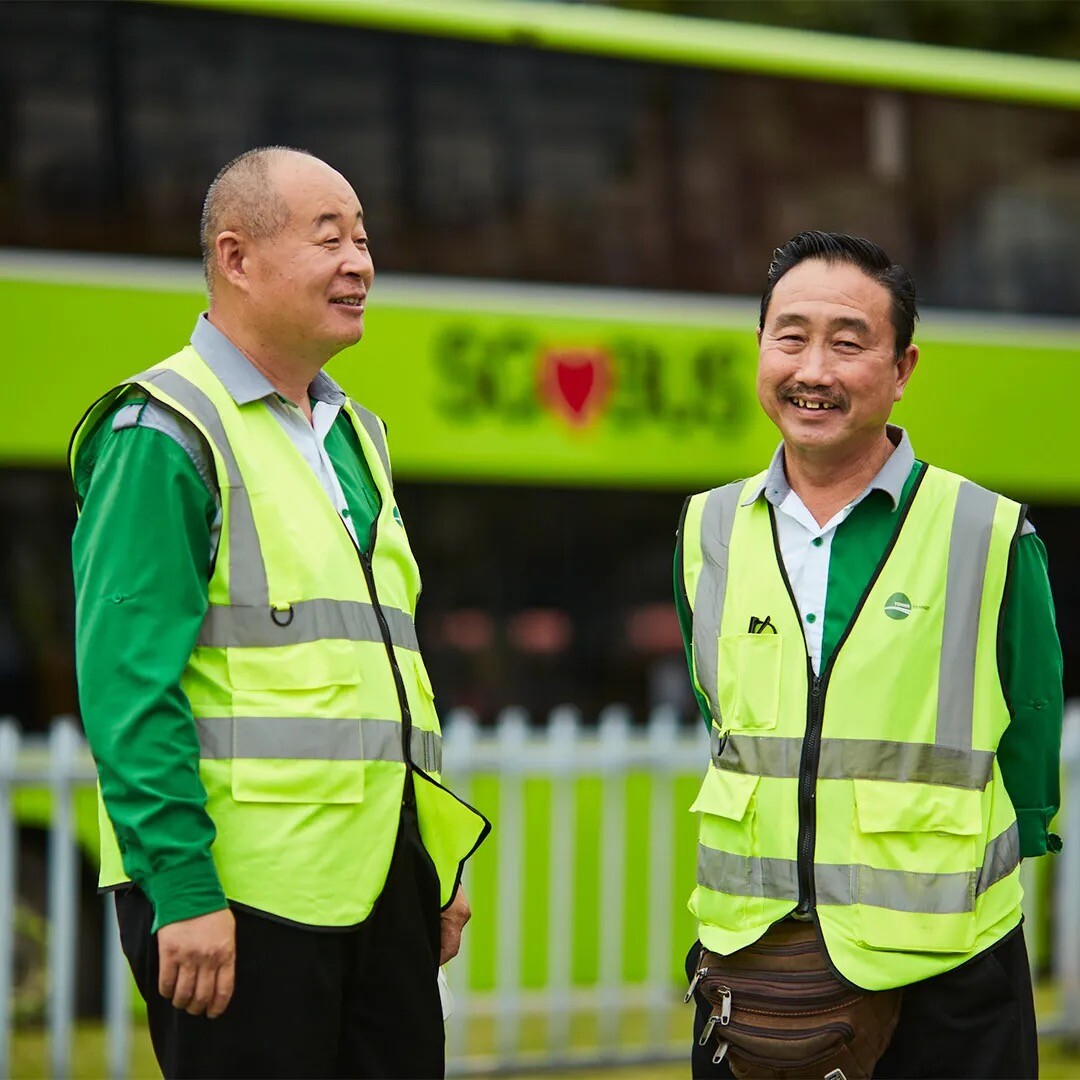
The numbers in the release are blunt. For every local bus captain recruited, two leave the industry through resignation or retirement, and the share of local bus captains fell from 54% in 2021 to 41% in 2025.
Demand is going the other way. The Bus Connectivity Enhancement Programme has added 33 new or extended routes and improved more than 60 services since July 2024, and LTA is bringing in 660 new electric buses from end-2026. All of that needs people behind the wheel.
What existing bus captains get
Current bus captains are not left out. The operators have agreed with the NTWU to make a one-time adjustment to the salaries of all in-service bus captains, to keep pay fair between old and new hires. The release does not state the amount, and NTUC said in June that it was still being negotiated.
Operators have also promised changes to the job itself:
- Fewer split shifts, where a captain drives only the morning and evening peaks with an unpaid gap in between
- Shorter continuous driving time on long bus routes

A new route in for taxi and private-hire drivers
If you drive a taxi or private-hire car, there is a dedicated track. The Point-to-Point Driver to Bus Captain (P2P-BC) pathway, announced on 28 September 2026 by MOT, the Skills and Workforce Development Agency (SWDA) and the operators, sits under the Career Conversion Programme for Public Transport Professionals.
- Training lasts two to six months, including on-the-job training
- You can train part-time or full-time, so you can keep some driving income while you switch
- Drivers who already hold a Class 4 licence get a shorter programme
- Training also covers adjacent skills such as electric vehicle diagnostics and bus interchange operations
- The Singapore National Employers Federation (SNEF) administers the programme
SWDA says P2P-BC participants are also eligible for the higher starting salaries and sign-on bonuses from 1 January 2027. The pathway is part of a wider package for drivers as driverless shuttles arrive, though the Government says job displacement is not imminent.
How to apply for a bus captain job
There is no central application form. You apply straight to the bus operators, or through the Government job portals:
- Check each operator’s careers page, such as Tower Transit Singapore and Go-Ahead Singapore, plus SBS Transit and SMRT
- Search “bus captain” on MyCareersFuture
- Taxi and private-hire drivers can start at SWDA’s driver support page, which lists career guidance, career fairs and the CCP options
- Walk-in hiring at career fairs also works; our list of November career fairs includes transport hiring days
Should you join now or wait for January?
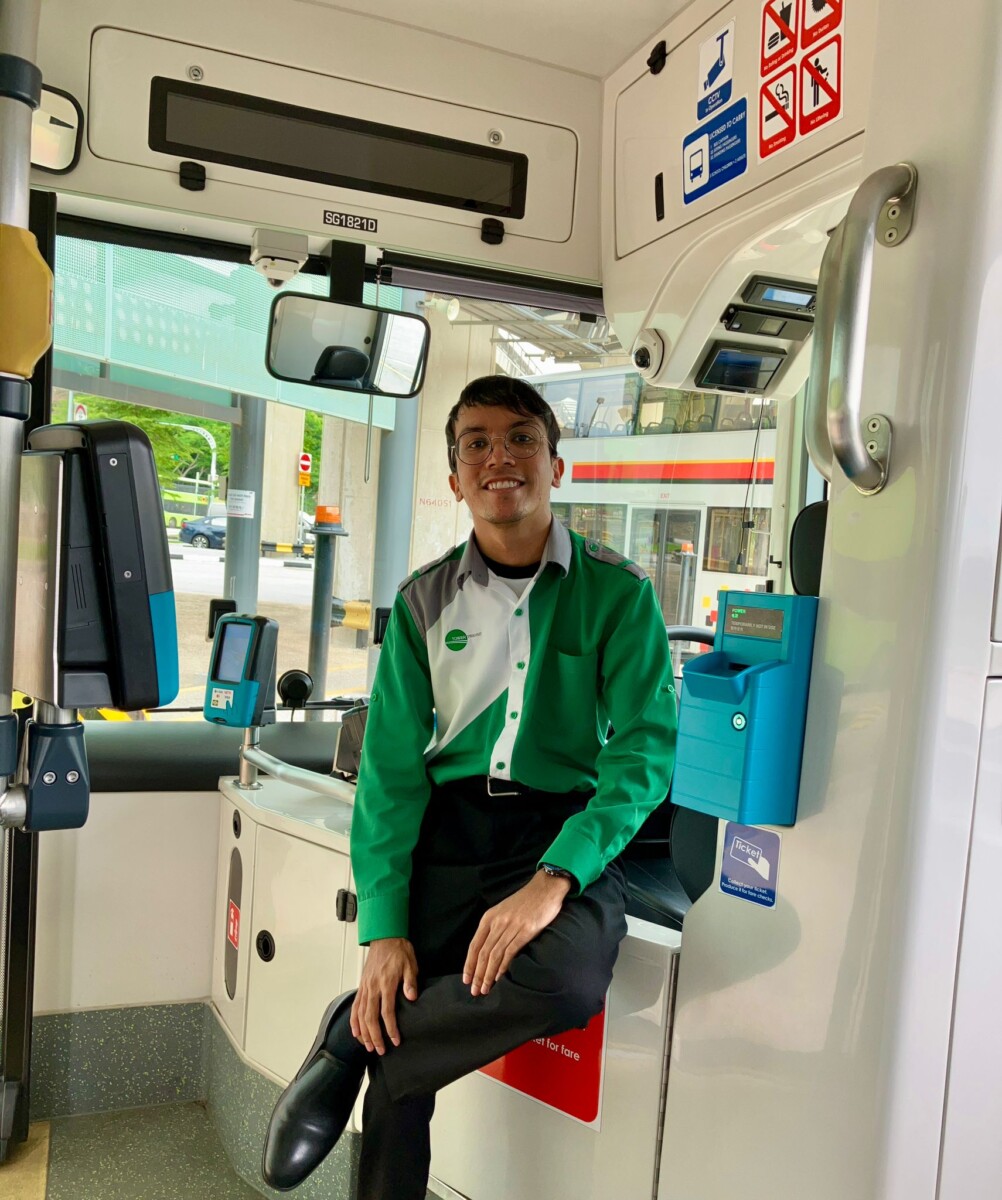
This is the question nobody’s release answers neatly. The higher pay applies to new local bus captains from January 2027, but it is not spelt out whether someone hired in November or December 2026 moves onto the new starting rate in January. Ask the operator directly, in writing, before you sign.
Training takes weeks to months anyway, so starting the application now is not wasted. Just go in with eyes open: shift work is the norm, and LTA itself calls it a challenging job with the pressure of keeping passengers safe and on time. For the right person, a S$4,000-plus average with steady hours sounds like a decent lobang.