Singapore will start rolling out 660 new electric buses from the end of 2026, and LTA has now shown what the new electric buses Singapore commuters will ride look like inside. The big change is a flat floor with no steps along the main aisle, plus longer battery range of up to 310km on a single-deck bus. LTA released the factsheet on 4 November 2026.
If you take the bus to work or school, here is what to expect when these start turning up on your route.
New electric buses Singapore: what the cabin looks like
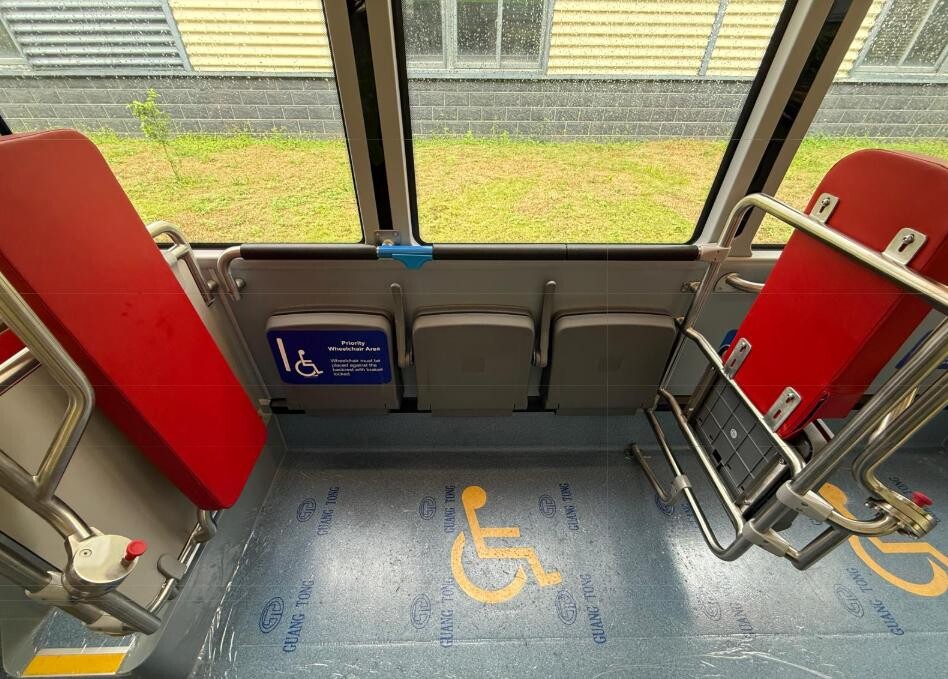
LTA says the buses were reworked after feedback from commuters, bus captains and public transport operators. Battery advances now allow a full low-floor layout, so there are no steps along the main passageway. Seating platforms stay low, with step heights generally capped at 230mm, or 300mm for seats above the wheel arches.
That should make boarding, alighting and walking down the bus easier for wheelchair users, parents with prams and older commuters. Wheelchair bays also get extra foldable seats.
Seats, range and safety features
The key numbers from the factsheet:
- Single-deck buses: up to 32 fixed seats, and a range of up to 310km (up from 280km)
- Double-deck buses: up to 67 fixed seats, and a range of up to 240km (up from 215km)
- Driver aids: onboard CCTV, collision warning, surround view, a driver anti-fatigue monitoring system and a camera mirror system
Longer range means operators have more flexibility in how they schedule the buses through the day. The driver assistance systems are meant to help bus captains stay aware of road hazards.
Red and green staircase lights, and rear alerts
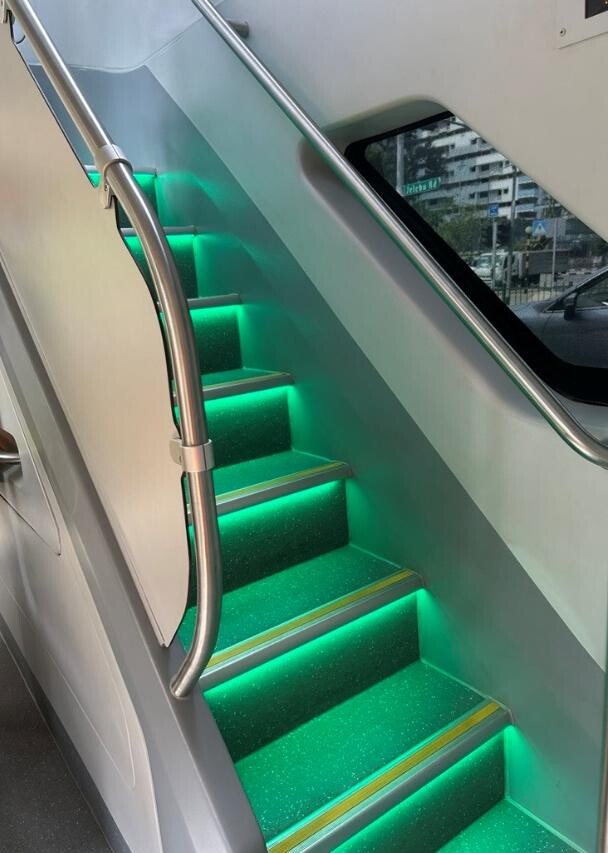
Double-deck buses get staircase lighting. Red means the bus is moving and you should avoid the stairs where possible. Green means it is stationary and the stairs are safe to use.
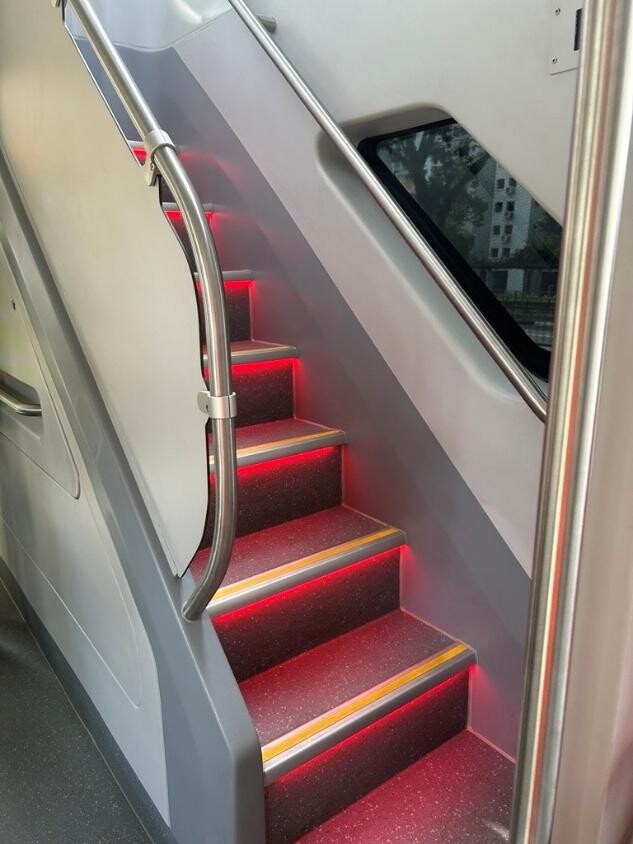
Kiasu commuters who like to dash upstairs before the bus stops, take note: red means wait.
At the back, a new full-colour electronic display will show the service number and destination by default. From 2027, it will also give other road users advance alerts of what the bus captain is about to do, such as stopping, moving off, or passengers boarding and alighting. LTA says this should help drivers, cyclists and motorcyclists anticipate the bus better.
Why electric buses need design trade-offs
LTA is upfront that electric buses are not a copy of diesel ones. Batteries and electric drivetrains have to fit inside the same fixed footprint, which limits how much room is left for seats and aisles. The agency says it aims for buses that are safe, comfortable, easy to operate and accessible to all passengers.
That is why the step-free floor matters. LTA credits advances in battery technology for making a full low-floor design possible.
Where this fits in the bigger plan
The 660 buses are part of LTA’s push to move the public bus fleet to cleaner energy. By 2030, half of the public bus fleet will be electric, and by 2040 the whole fleet will run on cleaner energy. LTA has not said in this factsheet which services get the first buses, so keep an eye on your usual route in the coming months.
The same wave of land transport changes lands before the year ends. The Sungei Bedok MRT interchange opens on 26 December 2026, and drivers should read up on what changes when ERP 2 launches on 1 January 2027.
LTA says it will keep gathering feedback from commuters, bus captains and operators to shape future bus purchases. If you spot one of the new buses, the staircase lights are the easiest feature to try for yourself.