
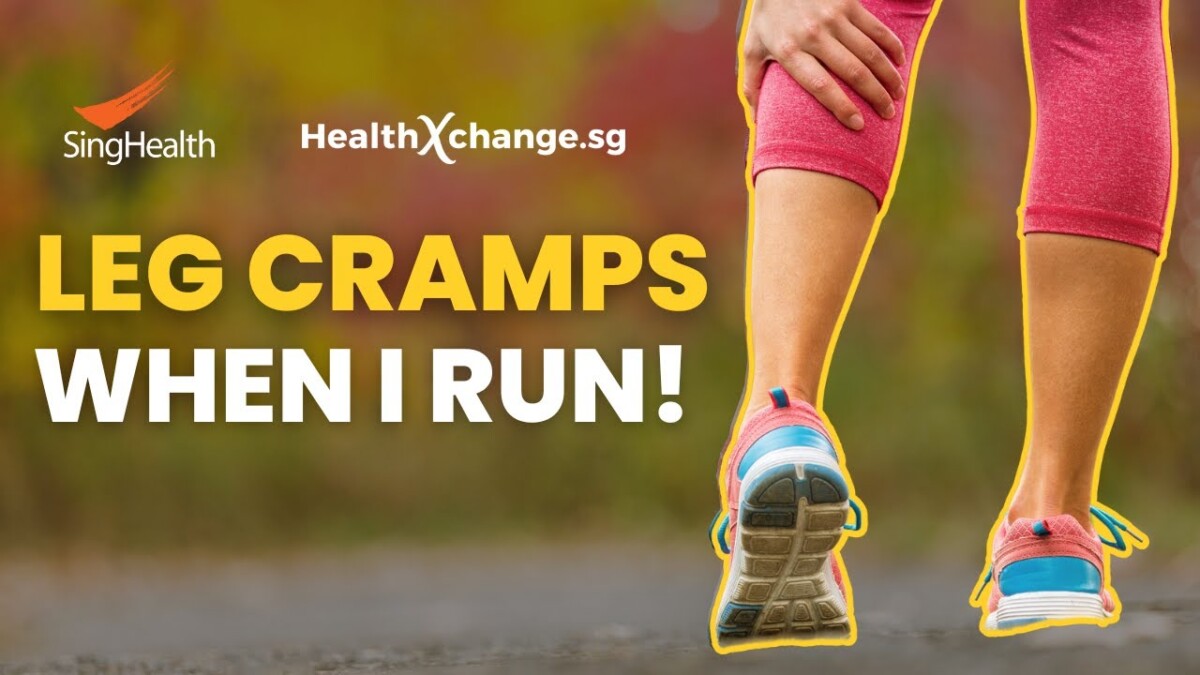
A cramp mid-run usually shows up as one of three things: a muscle seizing in the calf or thigh, a stomach cramp, or the sharp stitch under the ribs that beginners know well. Associate Professor Darren Tay, a senior consultant in orthopaedic surgery at Singapore General Hospital, separates the three in SingHealth’s long-standing HealthXchange guide to running cramps, because the causes differ, and so does the fix.
What to do when it hits
For a muscle cramp, stop at the first warning sign and stretch the muscle. Stretching helps relieve and stop the contraction. Start running again once the pain eases, and build your speed back up gradually rather than going straight to race pace.
For a side stitch, breathe deeply. If it persists, stop, raise your arms above your head and stretch the side opposite the stitch, repeating until the pain eases.
Why each type happens
- Muscle cramps in the legs and calves: dehydration, poor stretching and too little carbohydrate. Running too fast too soon in a race catches seasoned runners as well. It is also a common reason inexperienced runners fail to finish a marathon.
- Stomach cramps: shallow breathing, and poor digestion from eating or drinking too much before a race.
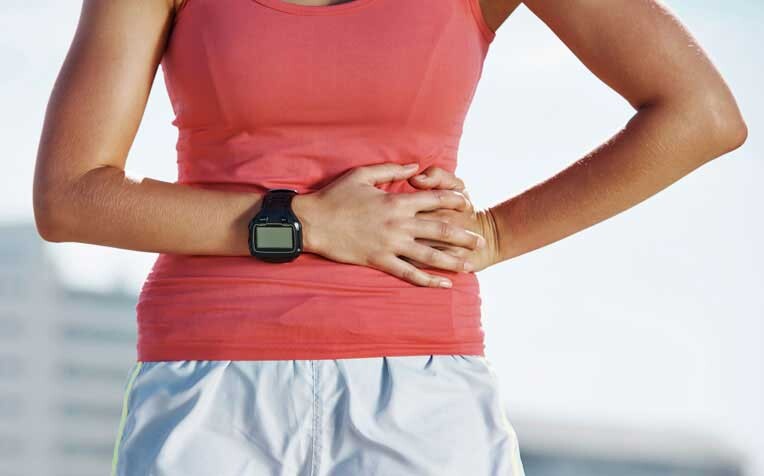
- Side stitches: shallow breathing or an imbalance of sodium and potassium. They usually sit below the rib cage and in the lower right abdomen, and they are more common in beginners.
Seven ways to head them off
- Breathe from the diaphragm. Shallow chest breathing is a main cause of stitches and stomach cramps, so practise deep, full breaths.
- Drink on a schedule. Intense exercise can cost you half a litre of fluid every half-hour. Aim for 500ml at least two hours before a run, another 125ml before the start, then half a cup every 15 to 20 minutes while running. Skip carbonated drinks.
- Replace electrolytes on long efforts. Heavy sweating in hot, humid weather can deplete sodium and potassium, and electrolyte-fortified sports drinks during a half or full marathon may help.
- Warm up properly. Spend at least 10 minutes stretching your calves, hamstrings and quadriceps before you set off.
- Consider sports massage. Regular sessions can relax knotted muscles and help blood flow, and stretched, flexible muscles are less likely to cramp.
- Time your meals. Wait at least two hours after eating before a run, and keep fatty and deep-fried food away from the hours before it.
- Ease into your pace. Going out too fast early in a run can lead to overexertion and cramps.
The short version before a weekend run
Leave two hours between your last meal and the start, aim for 500ml of water at the same mark, give your calves, hamstrings and quads 10 minutes of stretching, and run the opening stretch slower than you plan to finish. If a cramp still comes, stop, stretch, and rebuild your speed slowly once the pain has eased.
When a cramp is more than a cramp
In Singapore’s heat and humidity, muscle cramps can also be one of the early signs of heat injury, alongside dizziness, nausea and headache. National University Hospital’s emergency doctors advise cooling down and rehydrating with electrolytes, and seeking urgent medical attention if symptoms persist despite that. If a runner loses consciousness, the Singapore Heart Foundation advises calling 995 for an ambulance. This is general information, not medical advice: see a doctor if cramps keep coming back or do not ease with stretching and fluids.