Up to 80 per cent of people in Singapore get low back pain at some point, and most cases are not serious. HealthHub’s guidance is that the vast majority improve or recover in about six weeks with self-management, without seeing a doctor, and that the way back is movement rather than bed rest. Here is what it advises, the warning signs that change the plan, and where Pilates fits in.
Keep moving, gently
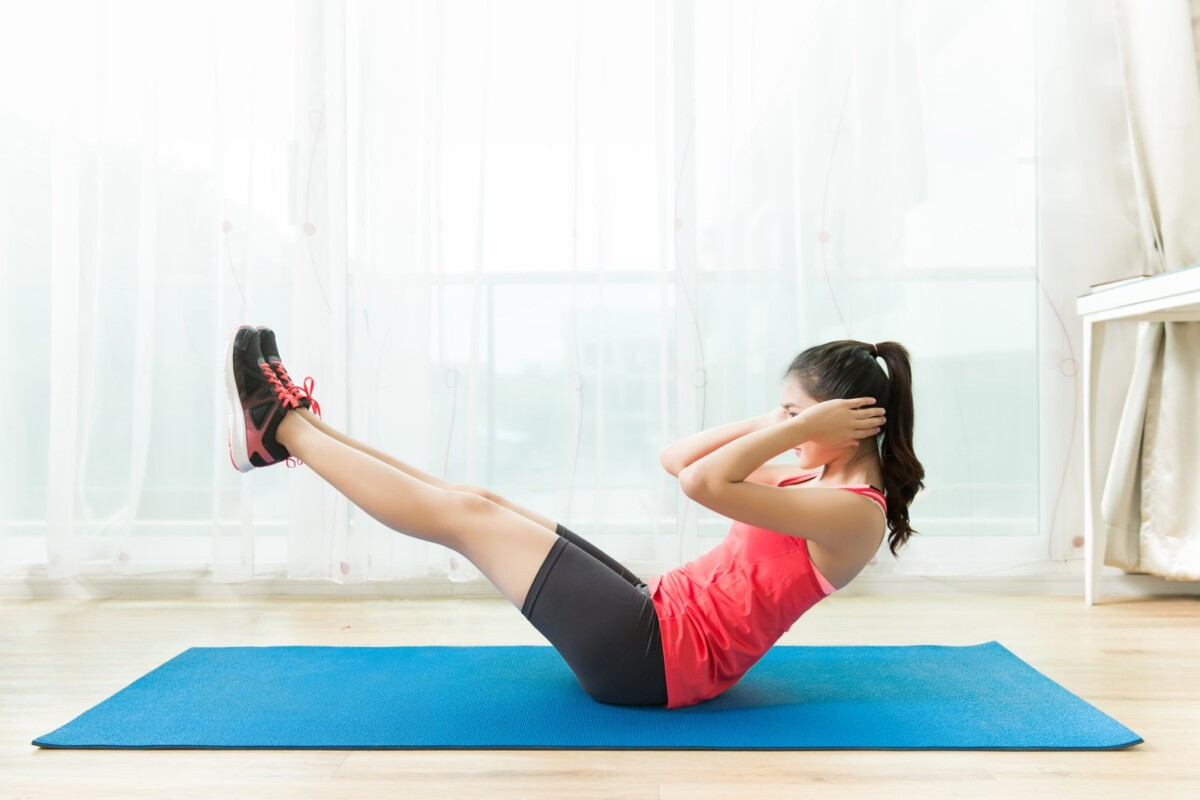
Complete bed rest is not recommended. When you avoid movement, your body generally gets weaker, and some gentle activity helps recovery. HealthHub suggests starting with simple aerobic exercise such as walking or aqua aerobics to improve movement and function, and doing self-directed stretches and exercises regularly. Your pain should not get worse with exercise.
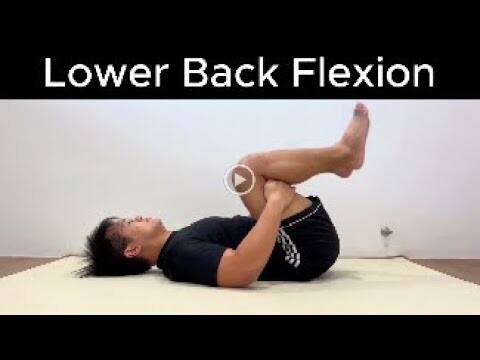
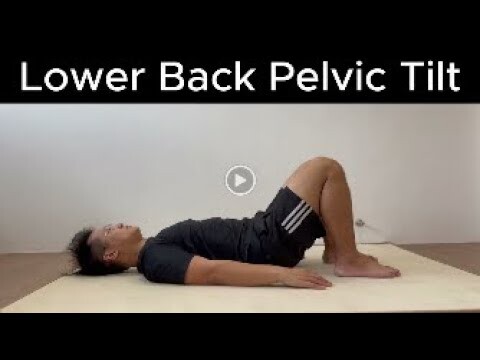
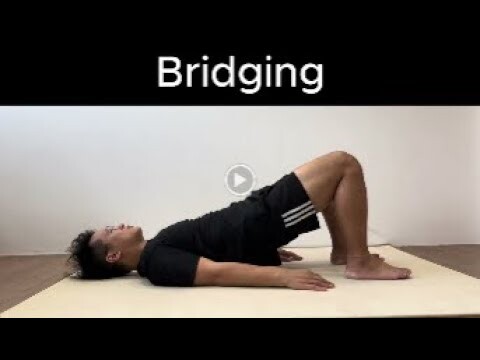
Its page on low back pain carries four demonstration videos for those self-directed exercises: lumbar flexion, lumbar rotation, a pelvic tilt and bridging.
When to see a doctor first
See a doctor urgently if you notice either of these:
- A change in bladder or bowel control
- Numbness or tingling over your legs or private region
See a doctor early if you have any of the following:
- Unexplained weight loss
- Persistent pain from an injury
- Fever or night sweats
- Pain that does not improve after rest or pain medication
- Swelling, redness or severe pain in several joints
- Any loss of function, such as unsteady walking, weakness or worsening balance
Three myths HealthHub clears up
Being told you have wear and tear in your back is not a reason to avoid exercise. Getting older does not directly cause low back pain, and degeneration is a common age-related change that research shows is not strongly linked to it. Exercise will not make the wear and tear worse, and it helps strengthen muscles and protect joints.
Most back pain does not need a scan. Changes related to wear and tear are commonly seen and are not always the cause of pain, and X-ray findings often do not fully explain back symptoms and can cause unnecessary worry. If pain persists or comes with other symptoms, a doctor may advise imaging such as an X-ray, CT scan or MRI.
There is no single best posture. Sitting straight and upright is not the answer, and if your back is often sore at the end of a working day, you may need to change how you do certain tasks or adjust your work environment, because it is often how an activity is done that puts unnecessary stress on the back. A doctor or therapist can give specific advice.
Where Pilates fits
HealthHub’s Pilates for Lower Back Pain page, contributed by Tan Tock Seng Hospital and last reviewed in August 2020, explains that Pilates works the deep core muscles, including the abdominals, diaphragm and pelvic floor, which work together to align, stabilise and protect the spine. Pilates is commonly included in rehabilitation for lower back pain from conditions such as degenerative changes in the spine, slipped discs and spinal instability. At TTSH, physiotherapists with clinical Pilates training add suitable Pilates exercises to help patients manage back pain and strengthen the back and abdominal muscles.
It can be done on a mat at home or on a reformer, where springs set the resistance so a movement can be made easier or harder. The page notes that some studies have found the frequency, duration and intensity of lower back pain fall when Pilates is practised over time.
HealthHub’s advice is to see a doctor if your pain gets worse or if you have any of the warning signs above. Two everyday tips from the same low back pain page: carry things close to your body when lifting them, and if getting out of bed is hard, turn onto your side and use your arms to push yourself up to sitting.