
If you have diabetes, the number on your glucose meter decides whether you train today, and how. The Ministry of Health’s Diabetes Hub guidance on HealthHub sets out four bands to check before any workout, from a hard stop below 4.0 mmol/L to a green light between 5.6 and 15 mmol/L. One caveat before you read further: MOH addresses this guidance to people with Type 2 diabetes, and says those with Type 1 should seek advice from their health provider.

None of this is a reason to stop moving. The aim is to be active three to seven days a week, with 150 to 300 minutes of moderate activity across the week and at least two days of muscle strengthening. Moderate means you can talk but cannot sing. Aerobic work and stretching can be daily; strength sessions go on alternate days.
Check the meter first
Here is how the four bands work in practice.
- Below 4.0 mmol/L (hypoglycaemia): delay the session. Treat it with the 15/15 rule: take 15g of fast-acting sugar, then check again after 15 minutes.
- 4.0 to 5.5 mmol/L: exercise with caution. Have a light snack of 15 to 30g of longer-acting carbohydrate, such as three biscuits with Milo, and wait 15 minutes. If you plan to go beyond 30 minutes, top up with more carbohydrate.
- 5.6 to 15 mmol/L: good to go. Watch for symptoms as you train, and if the session runs past 60 minutes you may need extra carbohydrate.
- Above 15 mmol/L (hyperglycaemia): if you feel well and have taken your usual medication, carry on with caution. Track your glucose trend and drink more fluids.
Fast-acting sugar can be three teaspoons of dextrose or table sugar in 120ml of water, half a can of regular soft drink, one can of low-sugar soft drink, half a glass (150ml) of fruit juice, or three soft or jelly sweets.
When to skip the session
Some days the right call is rest. Do not exercise if you feel unwell, if you had a hypoglycaemic episode in the last 24 hours that needed someone else’s help, or if you would be exercising alone or doing something potentially unsafe.
Short, hard efforts behave differently too. Sprinting and powerlifting can push blood sugar up for a while, because the stress on the body triggers hormone release. A small rise lasting one to two hours is usually not a concern, as long as your level was not already very high before you started.

Your medication matters
Take your medication regularly at the times your doctor set, and do not change that routine without checking with your doctor first. If you are changing your exercise routine, ask for a medication review.
People on insulin, or on the tablets MOH lists as able to push blood sugar too low, a sulphonylurea such as gliclazide, glimepiride, glipizide or tolbutamide, or a meglitinide such as repaglinide, need to take more care. If that is you, keep 15g of fast-acting sugar on standby, start easy, watch for symptoms and avoid long sessions. If you are on insulin or a sulphonylurea, MOH goes further and suggests a guided session with a physiotherapist before you settle on your own pre-exercise targets.
Start small and build
The guidance favours small, steady steps: take the stairs, go for a 10-minute brisk walk, get up and walk every hour, or get off the bus one stop early. Progress gradually. On a treadmill, that could mean moving from 3.5 to 3.8 to 4.2km/h. With weights, it could be 0.5kg, then 1kg, then 1.5kg. Walks can stretch from 20 to 30 to 40 minutes.
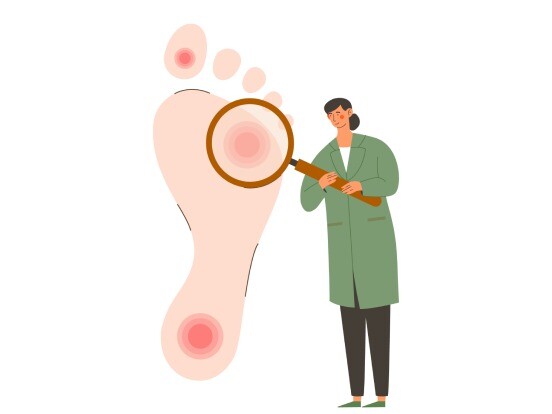
Wear well-fitted shoes and check your feet before and after every session. Train at cooler times of day, carry sweets and keep drinking water.

Some muscle soreness for 24 to 48 hours after a new activity is normal. If it lasts beyond two to three days, cut back. For a minor sprain, rest for 48 to 72 hours and ice the area for 10 to 15 minutes at a time.