Scoot Okinawa flights have quietly become one of the most useful additions to Singapore’s low-cost map, connecting Changi directly to Naha on Japan’s southernmost island chain. For years, reaching Okinawa from Singapore meant a connection through Tokyo, Osaka or Taipei. Now you can fly there non-stop in a little over five hours, which turns a far-flung idea into a very doable long weekend or week-long escape. Here is what Singapore-based travellers need to know for 2026, from fares and the flight schedule to visas and the best things to do once you land.
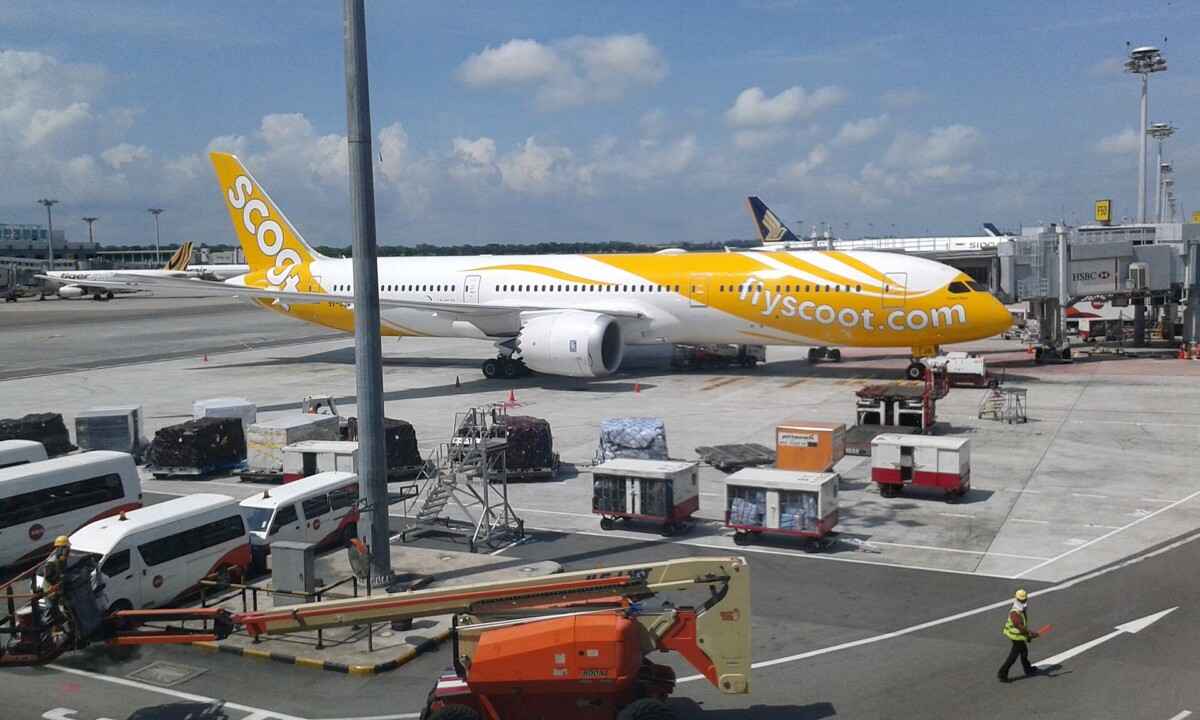
Scoot Okinawa flights: the route at a glance
Scoot is currently the only carrier flying non-stop between Singapore and Okinawa. Flights operate roughly four times a week under flight number TR834, departing Changi Terminal 1 as a red-eye in the small hours and landing at Naha Airport (airport code OKA). The block time is about 5 hours 20 minutes, so you leave Singapore overnight and arrive in Okinawa in time for breakfast.
As a low-cost fare, your ticket is hand-luggage only by default, though Scoot is more generous than most budget airlines here: the base allowance is 10kg of cabin baggage, which is 3kg more than many rivals. If you plan to check a bag, add checked baggage and any seat or meal options during booking, as these are cheaper bought in advance than at the airport.
Schedules and days of operation do change with the seasons, so always confirm the current timetable on flyscoot.com before you plan connecting transport or accommodation.
How much do Scoot Okinawa flights cost?
One-way economy fares to Okinawa start from around S$190 including taxes, with return trips from about S$338. During launch and promotional windows, we have seen teaser fares advertised from as low as S$128 one-way, so it pays to book early and to watch for Scoot’s regular sales.
A few ways to keep the cost down: travel outside the June to August school holidays and Japan’s Golden Week, book a fare bundle only if you genuinely need bags and seats, and set a fare alert so you are ready when a promotion drops. If you are chasing the cheapest possible seats, our roundup of the latest Scoot flight deals from Singapore is worth a look before you commit.
Do Singaporeans need a visa for Okinawa?
No. Okinawa is part of Japan, and Singapore passport holders can enter Japan visa-free for short stays of up to 90 days. You should still make sure your passport is valid for the length of your trip and be ready to show proof of onward travel and accommodation on arrival.
To speed things up at immigration and customs, complete your entry and customs declaration on Visit Japan Web before you fly and save the QR codes to your phone. For the full rundown on documents, tax-free shopping and current entry formalities, see our Japan travel rules 2026 guide for Singaporeans.
Best things to do in Okinawa
Okinawa is not Tokyo or Kyoto. Think turquoise water, a distinct Ryukyu culture, laid-back island pace and some of the best beaches in Japan. Here is where to start.

Okinawa Churaumi Aquarium
The star attraction sits on the Motobu Peninsula in the north, about 2 to 2.5 hours by car from Naha. Its enormous Kuroshio tank, one of the largest in the world, holds whale sharks and manta rays behind a single vast acrylic panel. Adult tickets start from around ¥2,180 (roughly S$19), and the aquarium is generally open from 8.30am, with last entry in the early evening. Go early to beat the tour buses.
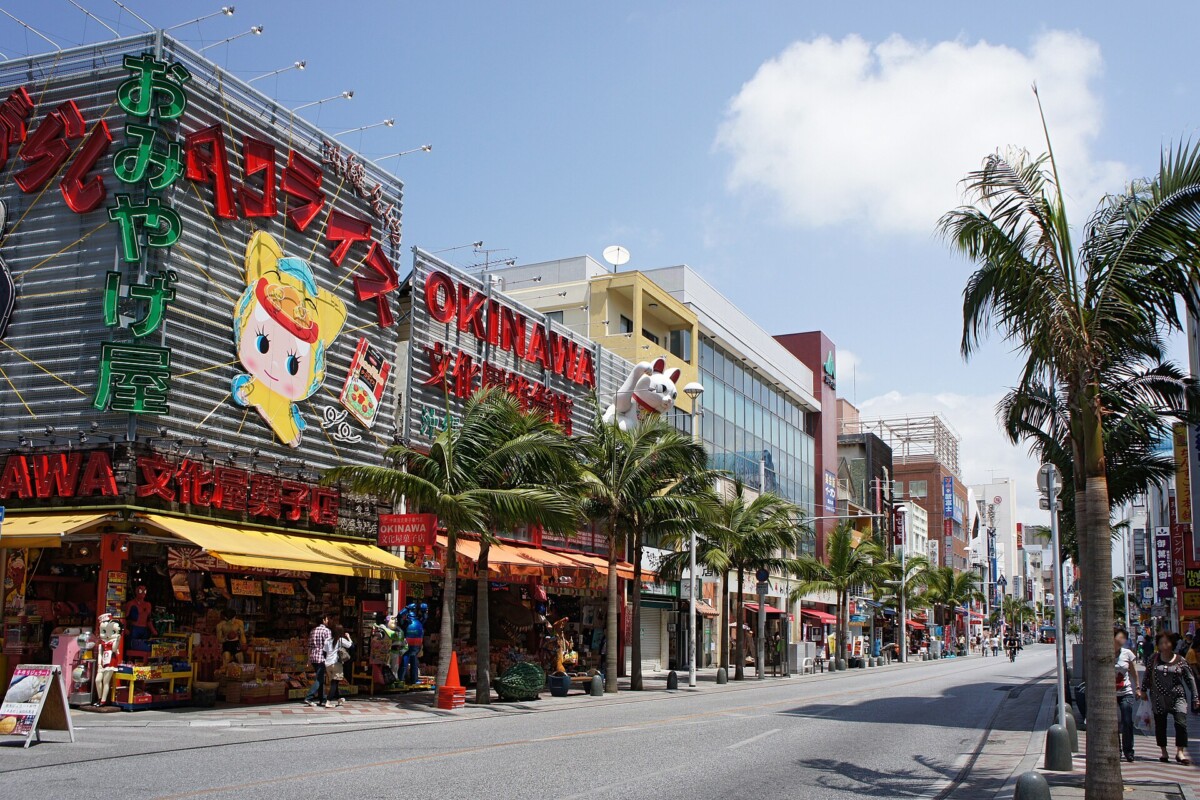
Naha: Kokusai-dori and Shuri Castle
Most trips base themselves in the capital, Naha. Kokusai-dori, the roughly 1.5km main street, is the place to browse Okinawan snacks, shisa lion statues, sea-salt everything and souvenir shops. A short ride away, Shuri Castle Park preserves the hilltop seat of the former Ryukyu Kingdom, a UNESCO-listed site whose distinctive red main hall is being rebuilt after a 2019 fire. The grounds, gates and views remain well worth the visit.
Beaches and the Blue Cave
For beach time close to the city, Naminoue Beach is walkable from central Naha and sits below the clifftop Naminoue Shrine. For clearer water, day-trip to the Kerama Islands, where beaches such as Furuzamami on Zamami offer postcard snorkelling. Popular guided snorkel and dive tours also run to the Blue Cave near Onna, where sunlight turns the water an electric blue.
When is the best time to visit Okinawa?
The sweet spots are spring, from March to May, and autumn, from September to November, when temperatures sit at a comfortable 20 to 28°C with less rain. Summer is hot, humid and the peak beach season, but it also overlaps with the typhoon season from roughly August to October, so build a little flexibility into your dates and consider travel insurance that covers weather disruption. Winters are mild by Japanese standards, making Okinawa a warm-weather bolthole when the rest of Japan is cold.
Getting around Okinawa
Okinawa’s public transport is limited outside Naha, so most visitors rent a car to reach the northern sights, beaches and viewpoints. Bring an International Driving Permit, which you can arrange in Singapore before you leave. Within Naha itself, the Yui Rail monorail links the airport to Kokusai-dori and Shuri, and it is an easy, cheap way to get around without a car.
Is a Scoot trip to Okinawa worth it?
If you love Japan but want something beyond the usual big cities, a direct Okinawa flight is a genuinely fresh option: beaches, a unique island culture and short flight time, all without a connection. Pair it with an early booking and a fare alert and it can be surprisingly affordable. If Okinawa is not quite your speed, Scoot has also opened up other new routes worth eyeing, including its direct flights from Singapore to Chiang Rai.
Fares, schedules and ticket prices were correct at the time of writing on 12 August 2026 and can change. Confirm the latest details on the airline and attraction websites before booking.