Japan remains the dream trip for many of us, and if a visit is on your list for later this year, the Japan travel rules 2026 are worth a quick read before you book. A cluster of changes landed on 1 July 2026, from a tripled departure tax to steeper visa fees and fresh on-the-spot fines. The good news for Singapore passport holders is that most of it is easy to plan around, and a historically weak yen still makes the trip excellent value.
The departure tax has tripled
The biggest change to the Japan travel rules 2026 is the International Tourist Tax, nicknamed the “Sayonara Tax”. From 1 July 2026, it rose from ¥1,000 to ¥3,000 per person, an exact threefold jump. That is roughly S$8 to about S$24 at recent rates.
You almost never pay this at the airport, as it is built into your air or cruise ticket price when you leave Japan. Two things to note: children under the age of two are exempt, and if your tickets were issued on or before 30 June 2026, a transitional measure keeps you on the old ¥1,000 rate. So a ticket bought earlier this year for travel now may still carry the lower charge.
The weak yen is still your biggest win

Here is the part that offsets the new taxes. The yen has been hovering near multi-decade lows, trading around 125 yen to the Singapore dollar. In practice, that means your hotel nights, ramen, train fares and shopping all cost less in Singapore-dollar terms than they did a few years ago. A ¥3,000 departure tax stings far less when a good bowl of ramen is under S$10 and a business hotel room can go for S$120 to S$180 a night.
Visa fees jumped, but Singaporeans are exempt
You may have seen headlines about Japan raising visa fees for the first time since 1978. From 1 July 2026, a single-entry visa costs ¥15,000 (up from ¥3,000) and a multiple-entry visa ¥30,000 (up from ¥6,000). Before you worry, this does not apply to you: Singapore is one of 70-plus visa-exempt countries, so Singapore passport holders can still enter visa-free for stays of up to 90 days. The higher fees only affect nationalities that need a tourist visa in the first place.
New rules that can cost you a fine
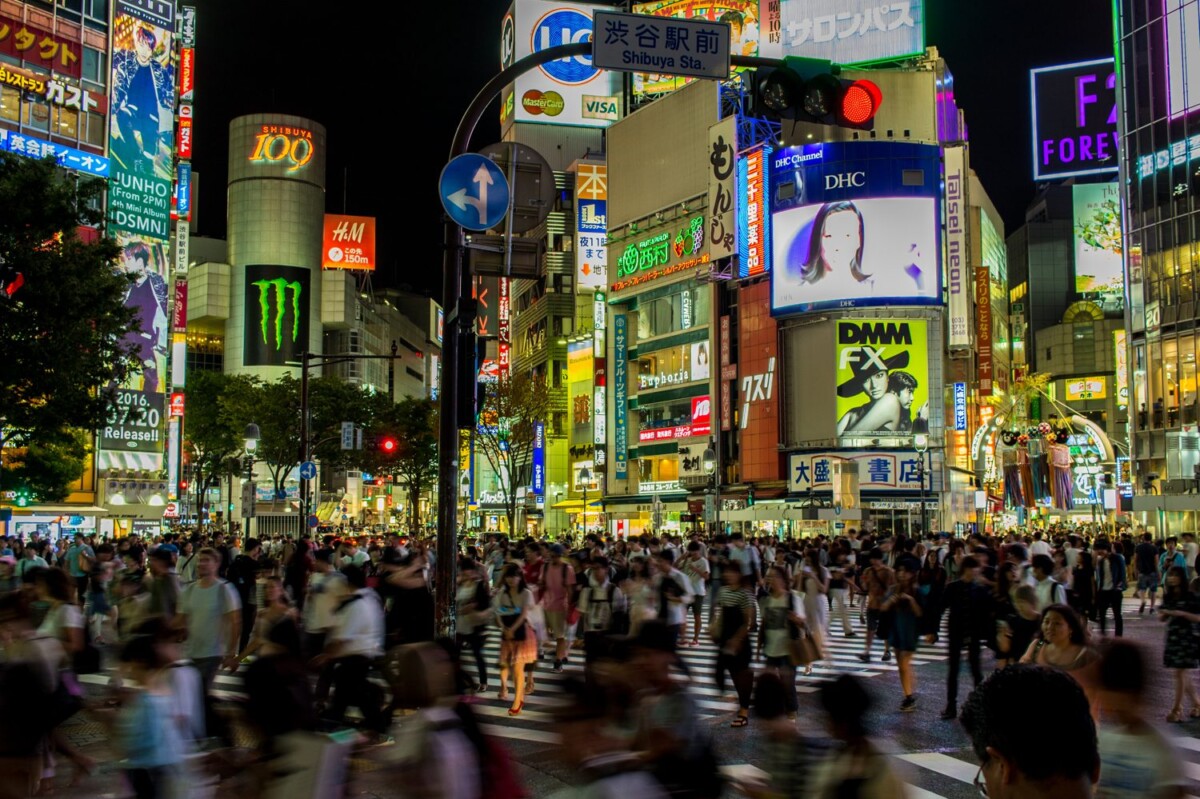
Japan has been tightening up on overtourism, and a few habits can now land self-guided travellers with an on-the-spot fine. Taking photos in the private alleys of Kyoto’s Gion district can cost up to ¥10,000 (about S$80). Smoking on the street outside designated areas, and drinking in the streets around Shibuya at certain times, are also being enforced. None of this is hard to avoid, just be mindful of local signs.
Mount Fuji now charges to climb
If Mount Fuji is on your itinerary, note that all four main trails now carry a mandatory ¥4,000 fee (around S$32), with advance registration required. Climbers cannot enter between 2pm and 3am unless they hold a mountain-hut reservation, a rule aimed at stopping risky overnight “bullet climbs”. For the 2026 season, the Yoshida and Subashiri trails opened on 1 July and the Fujinomiya and Gotemba trails on 10 July, with all trails closing on 10 September.
Tax-free shopping changes from 1 November 2026
One more date for the diary: from 1 November 2026, Japan ends the current in-store tax exemption for tourists. Instead of getting the consumption tax knocked off at the till, you will pay the full price and claim a refund at an airport counter when you leave. Budget a little extra time at the airport if you plan a big shopping haul.
When to go: autumn and the shoulder seasons
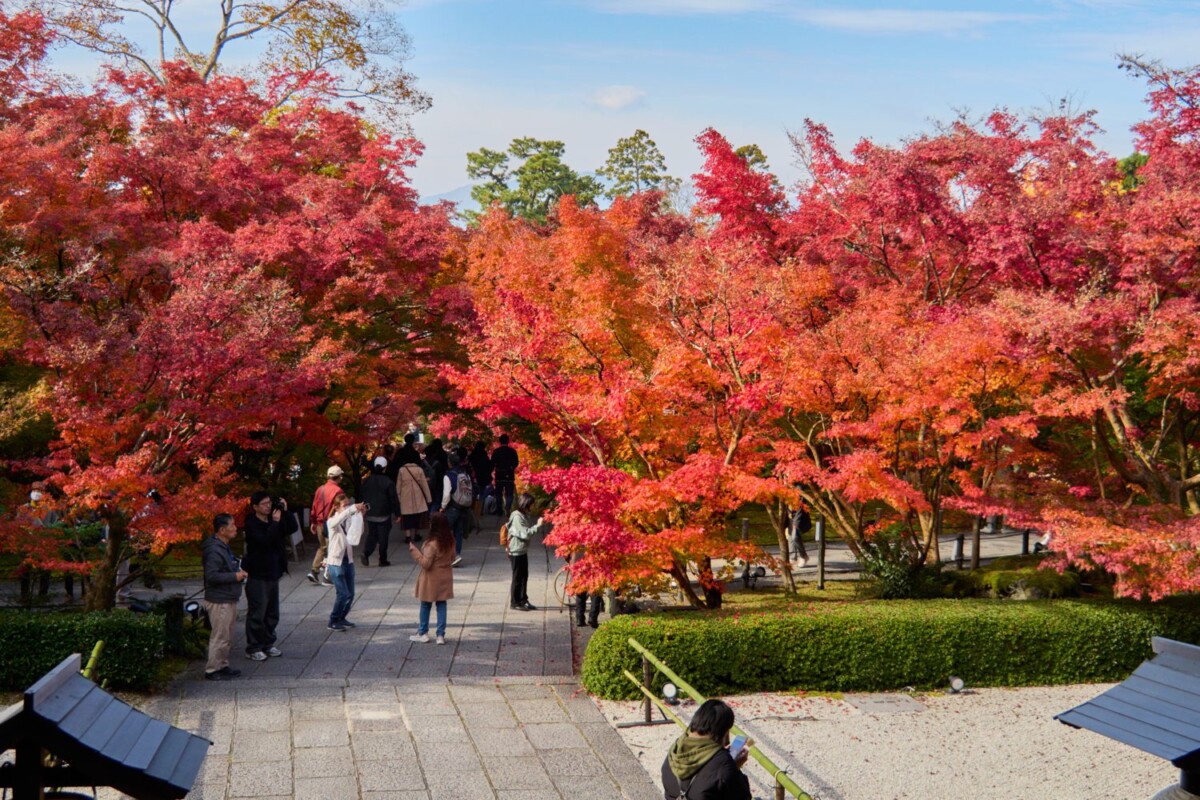
The November autumn-foliage weeks are spectacular but also the most crowded and expensive window of the year. If you would rather dodge the crush and keep room rates lower, late September into early October offers milder weather and gentler crowds while still catching the start of the season in the mountains and up north.
Practical tips for Singapore travellers
A few things to line up before you fly. Check your flights early, as fares to Tokyo and Osaka swing a lot by season; our roundup of Scoot flight deals from Singapore and the latest Singapore Airlines fare sale are good places to start. If you are connecting or comparing hubs, keep an eye on the new Changi Airport routes in the pipeline.
If you plan to cover long distances, the 7-day ordinary Japan Rail Pass now costs ¥50,000 (roughly S$400), so do the maths against individual shinkansen tickets, as the pass no longer pays off for every itinerary. And as with the recent changes to Thailand’s entry rules, the sensible move is to confirm the latest requirements on official sites close to departure. Rules and prices in this article are current as at 4 August 2026 and can change.