
Tengah centralised cooling is moving from a niche BTO talking point into a practical home-planning decision for many more households. HDB and Keppel announced in April 2026 that Keppel has been awarded a second chilled-water supply contract for nine upcoming BTO projects in Tengah, covering about 10,000 households in the Brickland, Park and Forest Hill districts.
Together with an earlier contract for three Tengah BTO projects, about 14,000 households across 12 projects will have access to Keppel’s Centralised Cooling System. For buyers waiting on keys or comparing their air-conditioning options, the question is not whether cooling sounds modern. It is how the system changes cost, maintenance, renovation planning and daily comfort inside an HDB flat.
What HDB And Keppel Are Rolling Out
The official release describes centralised cooling as a residential system where chilled water is piped to homes from centralised chillers. That means subscribers can cool their flats without installing individual outdoor condensers in the usual way. HDB says the system can use up to 30% less energy than conventional air-conditioning systems.
The new 20-year contract covers nine upcoming BTO projects. Keppel’s first Tengah contract covered Brickland Weave, Plantation Edge I and II, and Plantation Verge. The latest award expands the footprint to more districts, which makes centralised cooling a much more visible part of Tengah’s identity as Singapore’s first large smart and sustainable HDB town.
For homeowners, the early sign-up detail matters. Keppel says residents who subscribe early can enjoy air-conditioning ready upon key collection. That can reduce one renovation headache, especially for households that want to move in quickly after collecting keys instead of coordinating several contractors at once.
HDB’s role remains focused on project planning, construction and CCS-ready infrastructure such as strengthened rooftops, electrical provision, risers and common areas for chilled-water pipes. Keppel handles sign-ups, design, installation, operations and maintenance for subscribers.
How It Changes Renovation Planning
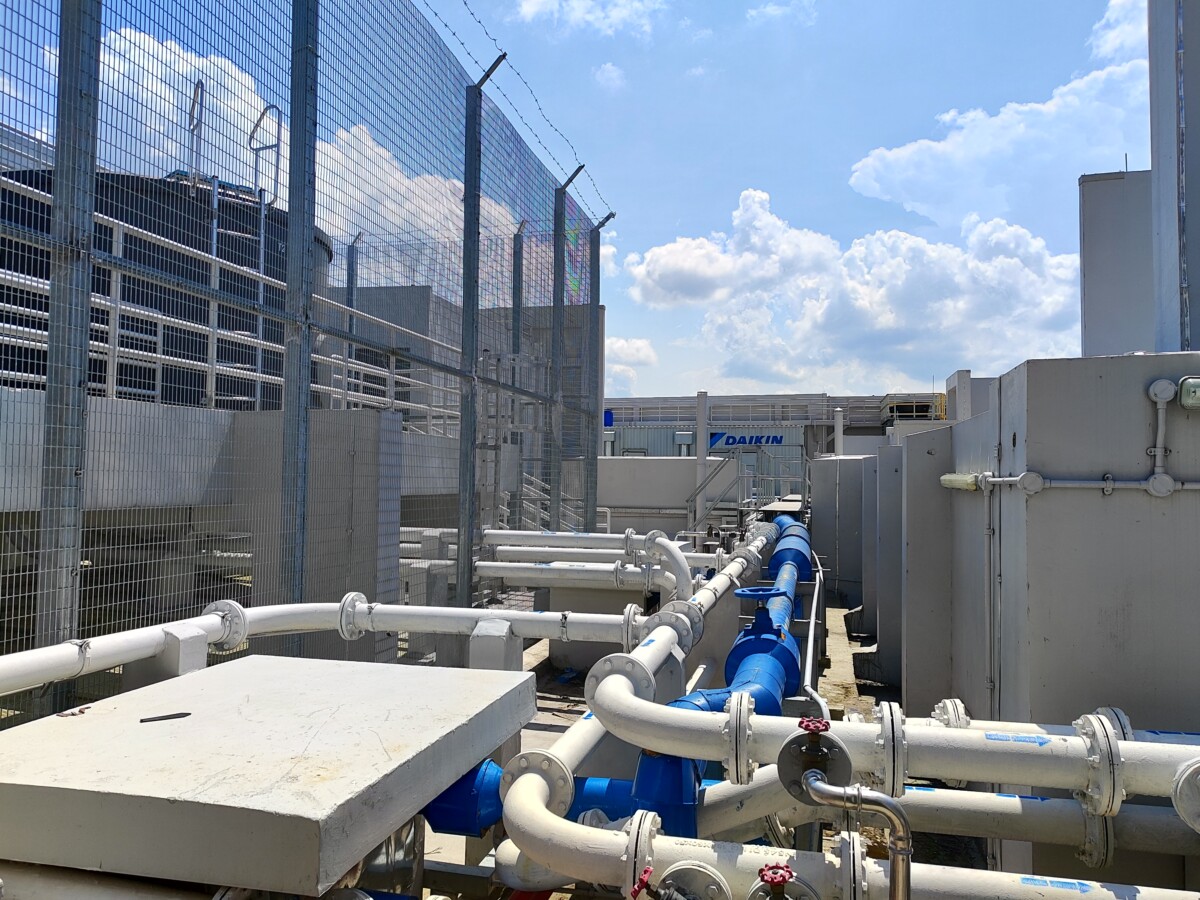
Renovation planning becomes more technical when a cooling system is already part of the flat’s infrastructure. Keppel says the design and placement of chilled-water pipes will be optimised with interior aesthetics in mind where feasible. That is encouraging, but it also means homeowners should not treat cooling as an afterthought after carpentry and false ceilings have already been planned.
If you are collecting keys in a Tengah project with the option, ask for the latest pipe route, fan coil placement and service-access details before confirming built-ins. A wardrobe, feature wall or ceiling detail that looks harmless on a mood board can become annoying if it blocks maintenance access or forces awkward trunking decisions later.
The practical conversation with your interior designer should be specific: where will the unit sit, how will condensation drainage work, what access panels are required, and whether future servicing can be done without dismantling expensive carpentry. Those questions are less glamorous than tile samples, but they protect the home over the long run.
For households who do not opt in, HDB says air-conditioner ledges are still provided. That preserves choice, which is important because not every household has the same cooling habits, budget comfort or appetite for a service-subscription model.
Cost, Comfort And Maintenance
The appeal of centralised cooling is partly energy efficiency, but residents should read it as a full-service decision rather than only a power-bill story. Keppel highlights lower upfront equipment costs, reduced maintenance requirements and predictable lifecycle performance. The value depends on the price plan, your usage pattern and how much you value not managing individual compressor maintenance.
A household that cools bedrooms nightly may view the system differently from a household that uses fans most of the time. Families with young children, seniors or work-from-home routines may care more about reliable daily comfort. Singles or couples who travel often may care more about fixed commitments and flexibility.
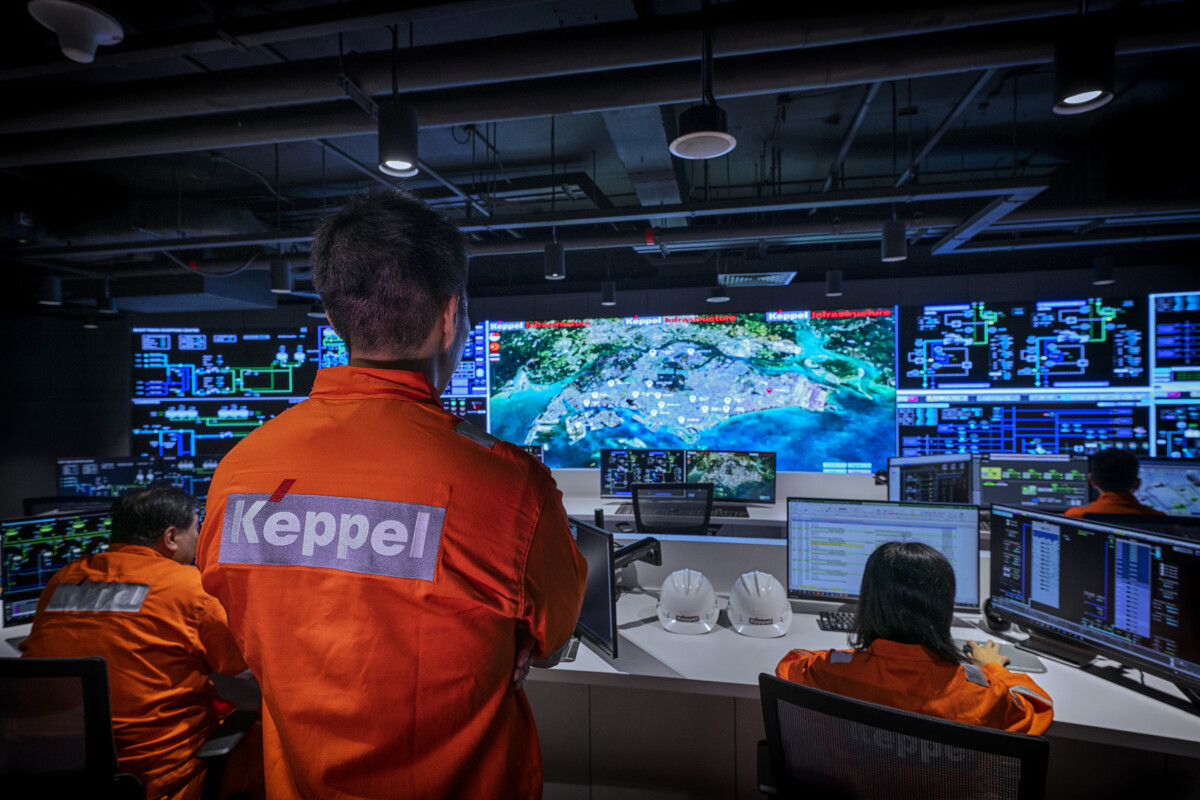
The Operations Nerve Centre detail is also worth noting. Keppel says the completed systems at the 12 projects will connect to its ONC for remote control, real-time monitoring, predictive maintenance and performance optimisation. That is the infrastructure promise behind the smart-town language, not just a marketing phrase.
Still, residents should ask plain questions before signing: the subscription price, contract duration, termination rules, servicing process, expected response time, what happens during faults, and whether the plan changes after the initial term. A cooling decision is easier to live with when the boring service details are clear.
Nur Aisyah Rahman’s Home Read
For Tengah homeowners, the centralised cooling decision sits in the same bucket as kitchen layout, storage and flooring. It affects how the flat works every day. The mistake would be to decide based only on whether the technology sounds futuristic or whether neighbours are signing up.
The stronger way to think about it is household rhythm. If your family uses air-conditioning heavily and you prefer a managed system, the option deserves a close look. If you use cooling sparingly or want maximum control over equipment, a conventional setup may still feel more natural.
What I like about the expanded rollout is that it gives buyers a chance to plan earlier. Tengah has carried the smart-town label for years; this contract turns one part of that label into actual home infrastructure. Buyers now need to match that infrastructure to real habits, not brochure language.
Before renovation begins, make one cooling meeting part of the process. Bring your floor plan, ask for confirmed routes, and make sure your contractor understands the system. It is easier to design around cooling at the start than to negotiate around pipes, access panels and furniture after the carpentry deposit is paid.
The Homeowner Decision
Tengah centralised cooling is best read as an option with trade-offs, not an automatic upgrade. The official facts are substantial: about 14,000 households across 12 BTO projects, up to 30% less energy use versus conventional air-conditioning, and a 20-year service framework run by Keppel.
For buyers, the next step is personal. Compare price plans, check your renovation layout, ask about servicing, and decide whether the convenience and efficiency fit how your household actually lives in Singapore’s heat.
Related on Little Big Red Dot: HDB Upgrading Projects, COE Results May 2026, Business Adaptation Grant.
Official links: HDB media release, Keppel media release.