
Singapore is set to join Brunei Darussalam, Indonesia and Malaysia in a multinational nomination of zapin, the traditional performing art form uniting music, song and dance, for inscription onto the UNESCO Representative List of the Intangible Cultural Heritage (ICH) of Humanity. The National Heritage Board (NHB) announced the news on 24 September 2026, marking the first time Singapore has jointly nominated a performing art form to the List, and the country’s fourth nomination overall.
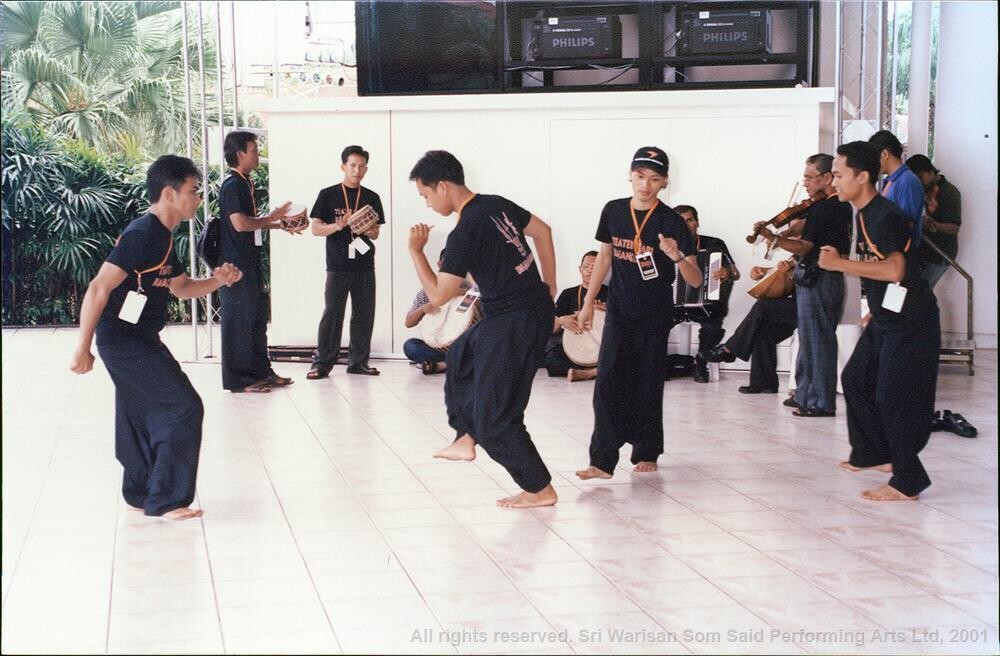
Image courtesy of National Heritage Board
Ms Chang Hwee Nee, Chief Executive Officer of NHB, said the nomination “underscores the cultural significance of zapin for communities in Singapore and across the region,” adding that she hopes it will “inspire a new generation of practitioners to keep this cherished dance form alive as part of our living heritage.”
Music, Song and Dance as One
Zapin is practised as an inseparable union of music, song and dance. In the past, it was performed in Singapore only at significant or ceremonial occasions such as weddings; today, it has grown in popularity and is widely performed at events and festivals by Malay dancers and students, from specialised dance companies to student interest groups.
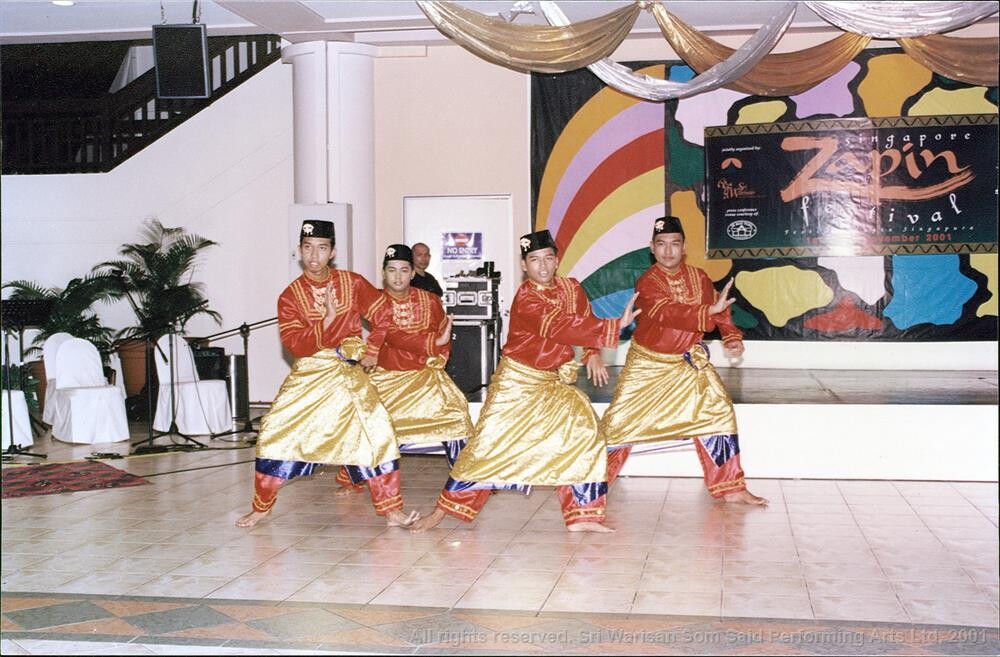
Image courtesy of National Heritage Board
The dance form is elegant, upbeat and expressive, characterised by movements choreographed to lively melodies played on instruments such as the gambus (short-necked lute), accordion and rebana (traditional drum). Its choreography often mimics the natural world, including the keluang (fruit bat), batang (tree trunk) and pusau (swirl). Several local variants embody Singapore’s own place histories, including Zapin Telok Blangah, choreographed by Mdm Som Said to convey the story of the area’s port history, and Zapin Sungei Kallang, created by Mr Osman Abdul Hamid in commemoration of his childhood home along the river.
Keeping the Tradition Alive
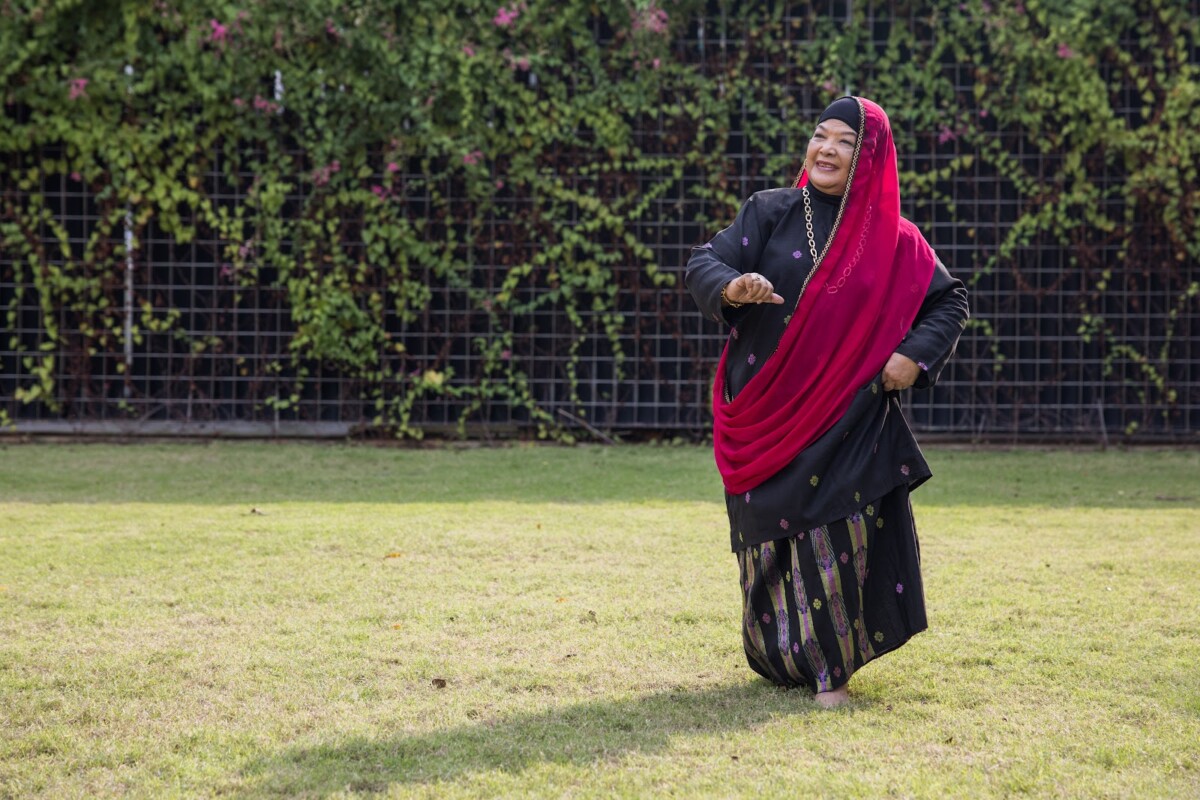
Zapin in Singapore is actively sustained through strong community participation. Sri Warisan Som Said Performing Arts and Mr Osman Abdul Hamid, founded by Mdm Som Said and Mr Osman Abdul Hamid respectively, received the Steward of Intangible Cultural Heritage award in 2020 and 2023 for their efforts safeguarding traditional Malay dance.
Courtesy of Mdm Som Said, Credit to NLB
“Growing up watching Malay dance through films, I learnt about zapin’s history, philosophy and fundamentals, and this dance truly became close to my heart,” Mdm Som Said shared. “With this nomination, I hope that zapin will be further recognised on the international stage.”
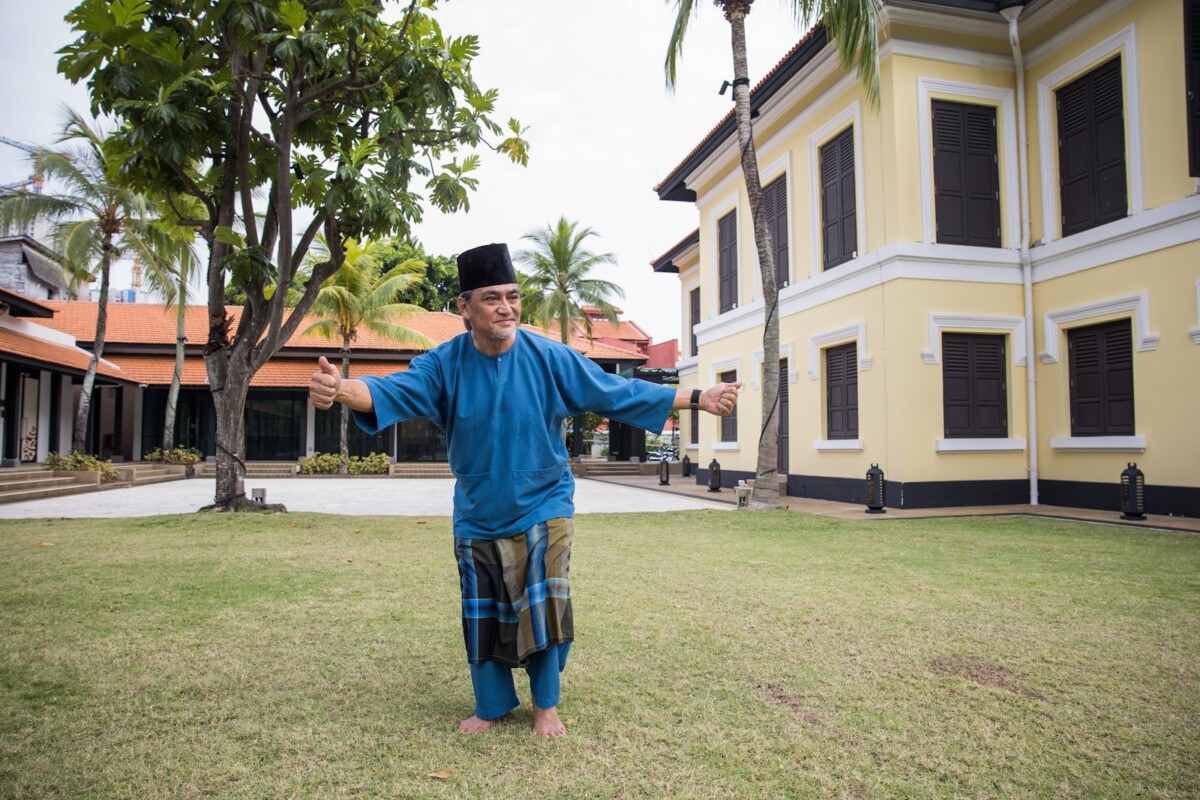
Image courtesy of National Heritage Board
Mr Osman Abdul Hamid added: “Zapin is more than a dance; it is a living heritage that carries the history, values and collective memory of our community… it is heartening to see young dancers not only learning its movements, but exploring its deeper structure, musicality and cultural meaning.”
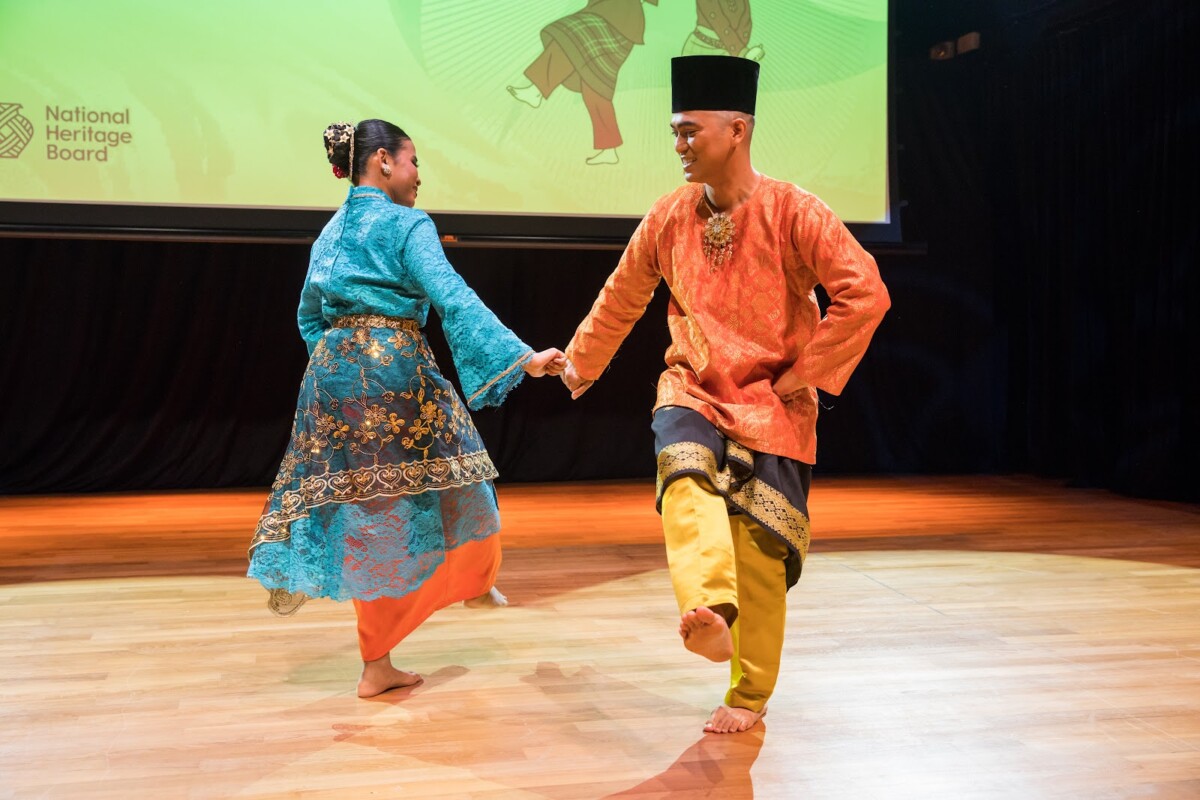
Image courtesy of National Heritage Board
What Happens Next
The four participating countries aim to submit the nomination file to UNESCO in March 2027, with the evaluation timeline to follow. As part of the process, NHB will conduct focus group discussions with zapin stakeholders, including dance companies, musicians, artist collectives, student groups and academics, to gather views on the joint nomination and its cultural significance.
More details on public outreach initiatives will be shared on NHB’s website at go.gov.sg/zapin, and on its Facebook (@NationalHeritageBoardSG) and Instagram (@nhbsg) channels.
For more on Singapore’s living heritage and cultural scene, check out our Things to Do section and our coverage of other local heritage news.