While the Straits Times Index (STI) has continued its march higher in early 2026, three blue-chip REITs have quietly lagged behind their peers. CapitaLand Ascendas REIT (SGX: A17U), Mapletree Logistics Trust (SGX: M44U) and Frasers Logistics & Commercial Trust (SGX: BUOU) are the three worst-performing STI-component REITs in Q1 2026, all weighed down by a fall in distribution per unit (DPU).
The headline numbers look ugly. Look closer though, and the operational story is more nuanced. Each of these trusts is dealing with a temporary hit – an equity raising, currency translation, finance costs – rather than a structural collapse in their portfolio. For Singapore investors holding any of these names, or eyeing a buy on weakness, the question is whether the dip is a buying opportunity or the start of something worse.
Below we walk through each REIT, what went wrong in the most recent quarter, and what the underlying portfolio actually looks like.
How the STI REITs Stack Up in Q1 2026
The Straits Times Index in 2026 has been led by the local banks and a handful of growth names. Among the REITs in the index, the laggards are clustered in the industrial and logistics space. CapitaLand Ascendas REIT, Mapletree Logistics Trust and Frasers Logistics & Commercial Trust have all reported lower DPU compared to a year earlier.
That alone should not be a reason to panic. As any seasoned REIT investor knows, DPU is the end of a long chain – starting with property occupancy, rents and reversions, flowing through interest costs, hedging, taxes and the size of the unit base. A drop in DPU could be caused by something as benign as a bigger denominator (more units issued) or as concerning as falling rents and rising vacancies.
For these three trusts, the operational data points actually tell an encouraging story. Occupancy is stable to improving, rental reversions are positive, and the managers are actively recycling capital out of older assets and into higher-yielding ones. The DPU declines are largely the cost of doing that growth – not a sign of decay.
For broader market context, our recent market wrap on Wall Street sets out where global rates and risk appetite stand heading into the rest of the year. Higher-for-longer rates remain the single biggest swing factor for Singapore REITs.
CapitaLand Ascendas REIT (CLAR): Growing Pains from a Capital Raise
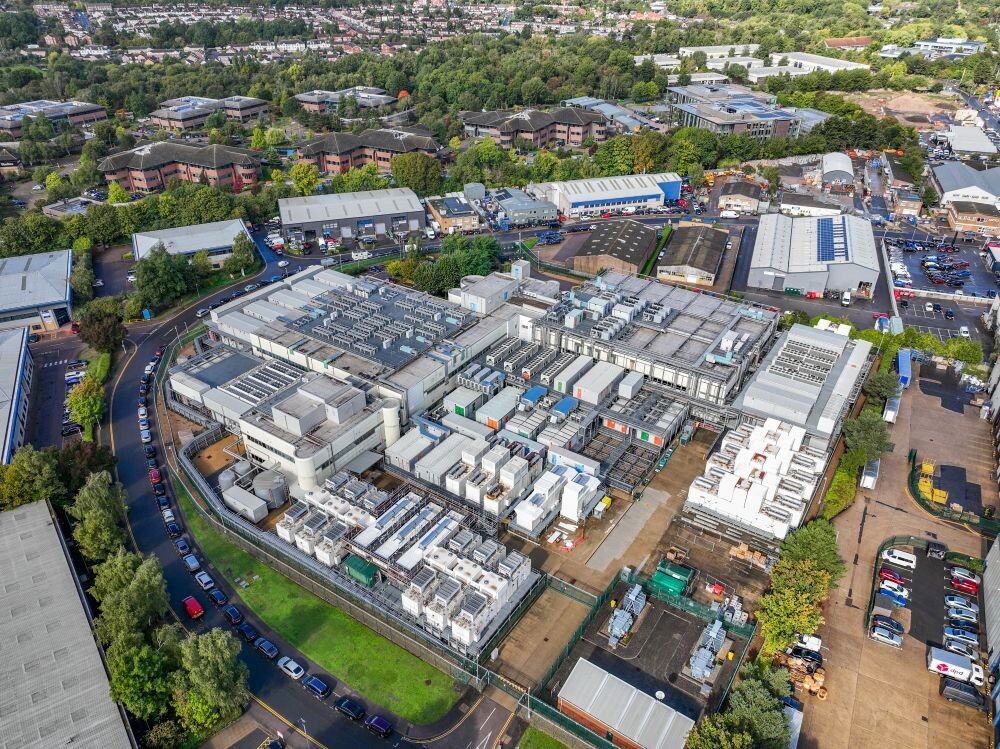
CapitaLand Ascendas REIT is Singapore’s first and largest listed business space and industrial REIT. As at 31 December 2025, its global portfolio comprised 222 properties valued at approximately S$18.2 billion, spanning Singapore, Australia, the United States and the United Kingdom/Europe.
For the financial year ended 31 December 2025 (FY2025), revenue inched up 1.0% year on year to about S$1.5 billion, and net property income (NPI) climbed 1.7% to roughly S$1.1 billion. Distributable income rose 1.4% to S$678.3 million.
Yet DPU edged down 1.3% to 15.005 Singapore cents. The reason: a S$500 million equity fundraising completed in June 2025 enlarged the unit base, which diluted per-unit payouts even as the underlying business grew.
The encouraging point is that the manager has put that capital straight back to work. CLAR completed roughly S$1.5 billion of acquisitions across six properties at initial NPI yields of approximately 6% to over 7%, while divesting nine properties for S$506.5 million at around 9% above their book valuations.
Operationally, the REIT is in good shape. Rental reversions averaged a healthy +12.0% for FY2025, with the fourth quarter spiking to an impressive +19.6%. Portfolio occupancy dipped to 90.9%, down 1.9 percentage points year on year, partly because newly completed redevelopments were still in the leasing-up phase. Excluding those, occupancy stood at 91.9%. Aggregate leverage stayed manageable at 39.0%, and the cost of debt actually improved to 3.5%.
For investors, the picture is one of a REIT that took on dilution today in exchange for a larger, more diversified income base tomorrow. You can read the manager’s official acquisition announcements directly on the CapitaLand newsroom.
Mapletree Logistics Trust (MLT): The Headline Overstates the Damage
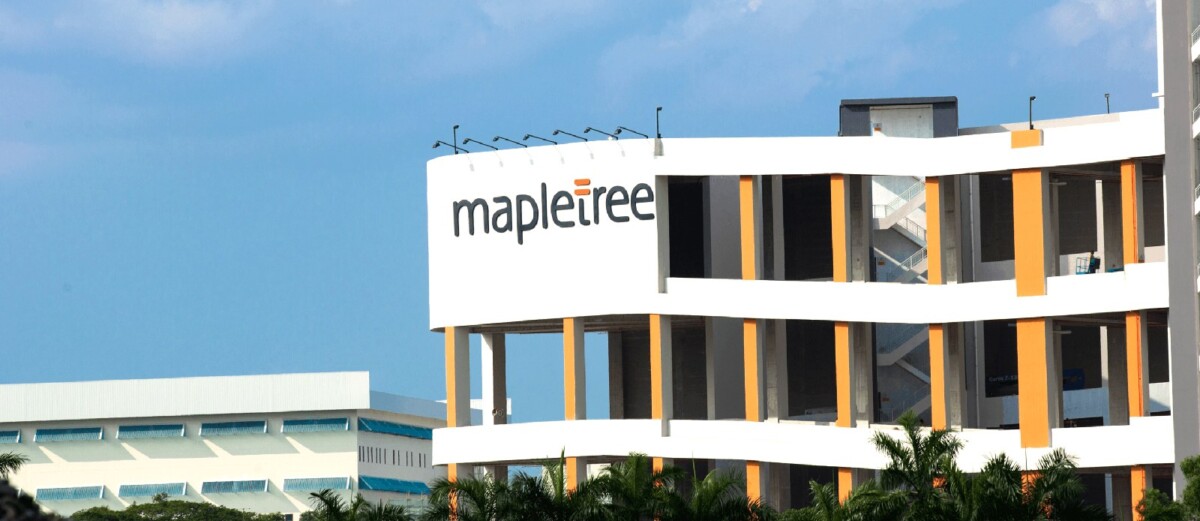
Mapletree Logistics Trust owns a sprawling Asia Pacific footprint of 174 warehouses and distribution centres across nine markets, with assets under management of approximately S$13.0 billion. It is one of the largest pure-play logistics REITs in Asia.
For the third quarter ended 31 December 2025 (3QFY2026), gross revenue fell 3.1% year on year to S$176.8 million, and NPI dropped 3.3% to S$152.0 million. DPU tumbled 9.3% to 1.816 Singapore cents.
That headline drop looks alarming – until the moving parts are stripped out. The prior year’s DPU was boosted by S$7.5 million in divestment gains that did not recur. On top of that, currency headwinds from the Korean won, Japanese yen, Vietnamese dong and Hong Kong dollar weighed on the Singapore-dollar reported figures, and the trust no longer collects rent from 12 properties it has divested. Excluding all of these one-off items and capital recycling effects, DPU from operations was only down about 2.1% year on year.
On the ground, MLT’s portfolio is actually firming. Occupancy improved to 96.4%, up from 96.1% a quarter earlier. Rental reversion stayed positive at +1.1% across the portfolio. Importantly, the negative rental reversion in China – the trust’s most-watched trouble spot – moderated dramatically to -2.2% in 3QFY2026, a sharp improvement from -10.2% a year earlier. That suggests the worst of China’s logistics downturn may be behind it.
The manager is also being proactive about portfolio quality. MLT has divested six properties year-to-date at an average premium of around 20% to valuation, and has earmarked roughly S$1 billion of older-specification assets for divestment, with about half coming from China and Hong Kong.
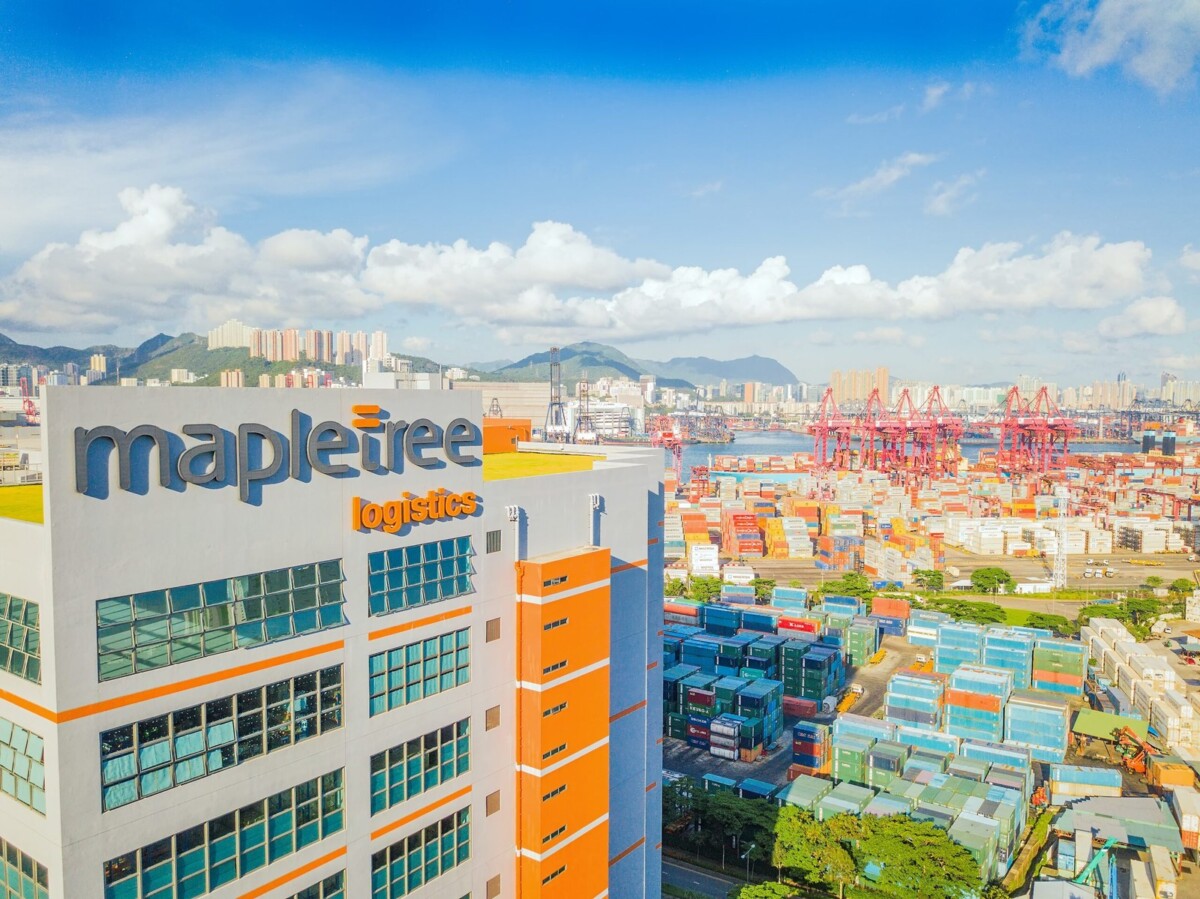
Investors who can see past the optical drag of currency and one-offs may find that MLT’s underlying earnings power is more resilient than the headline DPU suggests. Full disclosures and the latest financial results are available from the Mapletree Logistics Trust corporate website.
Frasers Logistics & Commercial Trust (FLCT): Strong Operations, Stubborn Finance Costs
Frasers Logistics & Commercial Trust holds 113 logistics, industrial and commercial properties worth roughly S$6.9 billion, spread across Australia, Germany, Singapore, the United Kingdom and the Netherlands.
For 1QFY2026 (the three months ended 31 December 2025), the trust released a business update without revenue, NPI or DPU figures. The reference point investors have been working from is FY2025 (the year ended 30 September 2025), when DPU fell 12.5% year on year to 5.950 Singapore cents. The driver was a 26.4% surge in finance costs, which more than offset a 5.6% rise in revenue to S$471.5 million and a 1.9% gain in adjusted NPI.
The 1QFY2026 update was operationally encouraging. Portfolio occupancy improved to 96.2%, up from 95.1% a quarter earlier, helped largely by Alexandra Technopark in Singapore. Occupancy at the Alexandra Road business park jumped from 77.9% to 86.3% after the manager secured leases for roughly 83% of the space previously occupied by Google.
The logistics and industrial side remained the core engine. Logistics and industrial (L&I) occupancy held firm at 99.7%, and rental reversion on those properties was a robust +36.4% – a reminder that warehouse rents remain in a structural uptrend in FLCT’s chosen markets. Aggregate leverage improved to 34.8%, leaving roughly S$592 million of debt headroom before hitting the 40% Monetary Authority of Singapore regulatory cap. Cost of borrowings was steady at 3.1%.
The single biggest variable for DPU recovery is interest expense. If global rates ease through 2026, FLCT is well-positioned to refinance at lower coupons and let stronger underlying NPI flow through to unitholders. If rates stay sticky, the recovery will be slower. The manager’s full results, presentation slides and ESG report are available on the FLCT investor relations site.
What Investors Should Take Away
The lesson from this trio is the same one experienced REIT investors keep relearning: a falling DPU is not, on its own, a sell signal. The reason behind the fall matters more than the fall itself.
For CLAR, the dip is the short-term cost of equity raised to fund a long-term growth pipeline. For MLT, it is currency translation and the absence of one-off gains, masking an underlying portfolio that is actually stabilising. For FLCT, it is a refinancing cycle pushing finance costs higher, while occupancy and reversions push the other way.
None of these are signs of structural failure. Investors who care about income from Singapore-listed real estate may want to focus on three operational metrics rather than the headline DPU: portfolio occupancy, rental reversions and aggregate leverage. If those three are heading in the right direction, the DPU usually follows over time.
Risks to Watch in 2026
That said, there are real risks that could keep these three names under pressure for longer than expected.
The first is interest rates. All three trusts are still paying borrowing costs above 3%, and any persistent stickiness in global rates will continue to crimp distributable income. The second is currency. With sizeable exposures outside Singapore, a stronger Singapore dollar against the renminbi, won, yen or euro can quietly drag down reported earnings even if the underlying foreign-currency NPI is steady. The third is tenant risk in pockets of the portfolio – particularly office space, where global tenants like Google have been right-sizing their footprints.
For long-term investors, weakness in blue-chip Singapore REITs has historically been a reasonable entry point, provided the operating fundamentals remain intact. As always, this is general information only and not financial advice. Investors should consider their own risk tolerance, time horizon and portfolio diversification before adding to or trimming any position.
The Bottom Line
CapitaLand Ascendas REIT, Mapletree Logistics Trust and Frasers Logistics & Commercial Trust were the three worst-performing STI REITs in Q1 2026, but the reasons are largely transitional rather than fundamental. CLAR is digesting an equity raise. MLT is wading through currency drag and capital recycling. FLCT is grinding through a high-cost refinancing window.
For Singapore investors used to relying on the local REIT sector for steady passive income, the watchlist remains the same as it has been all decade: occupancy, rental reversions, leverage and cost of debt. If those four hold up, the DPU should eventually too.
Disclaimer: This article is for informational and educational purposes only and does not constitute financial advice. Investors should conduct their own research or consult a licensed financial adviser before making any investment decisions.