
STB robodog guides is one of the Singapore stories worth having on your radar this week.
Where the robodogs are being piloted
STB robodog guides are now part of a one-month visitor pilot at two Singapore attraction areas: Sentosa Sensoryscape and Mandai Wildlife Reserve. The Singapore Tourism Board announced the AI-powered, multilingual robodog guide pilot with China-based travel platform Mafengwo on 17 April 2026, with the programme running from 18 April to 17 May 2026.
The official release names Sentosa Sensoryscape, Exploria and Curiosity Cove at Mandai Wildlife Reserve as the locations. The robodogs are designed to provide curated storytelling and real-time visitor assistance in English and Mandarin.
This is not a permanent attraction listing yet, so treat it as a limited pilot. If you want to see the technology in action, the practical window is now until 17 May, subject to on-site operations and weather.
What the pilot is trying to test
The pilot is interesting because it combines tourism, AI assistance and physical robotics in spaces where visitors already need orientation. Attractions are full of small questions: where to go next, what a feature means, whether a route is family-friendly, and how to connect one stop to another. A roving guide can answer some of those questions without making visitors download yet another app.
The STB release says the robodogs use artificial intelligence and Mafengwo’s travel content ecosystem. For Singapore, the Mandarin capability is especially relevant because Chinese visitors are an important tourism segment, and attraction interpretation works better when guests can ask questions in a language they are comfortable with.
The bigger question is not whether a robodog is cute or novel. It is whether visitors actually find it useful after the first photo. A good pilot should show whether the guide can handle real crowd behaviour, route confusion, repeat questions, children, older visitors and multilingual interactions without feeling like a gimmick.
How to plan around it
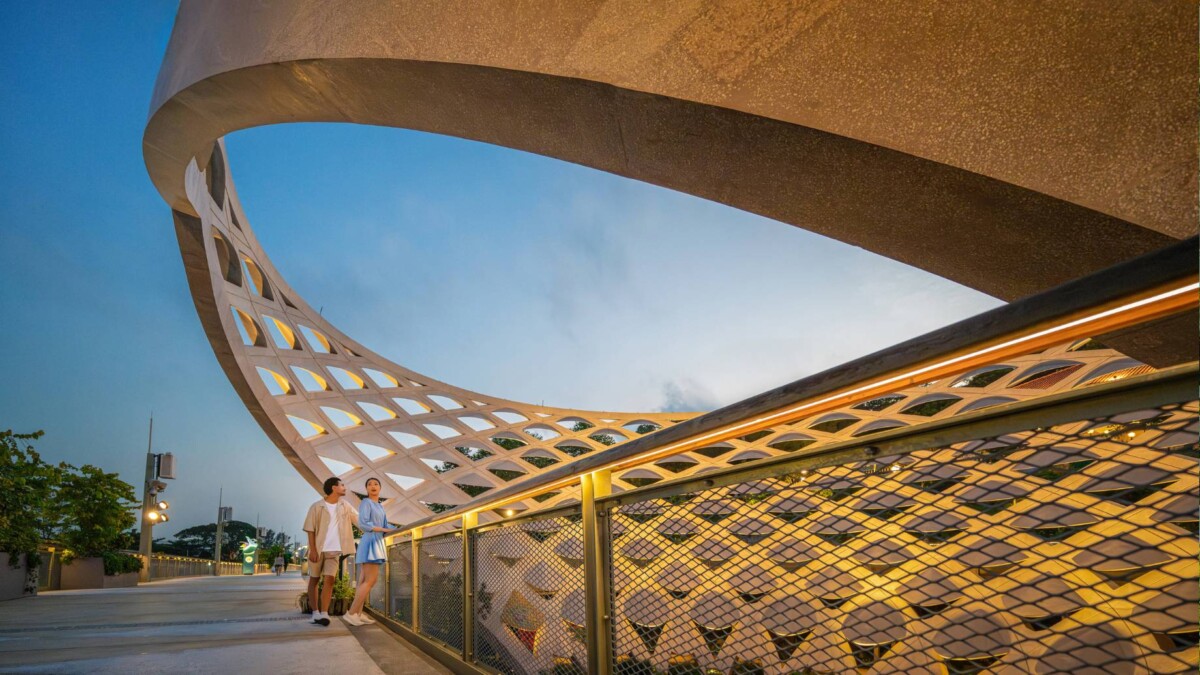
At Sentosa, Sensoryscape works best as part of a wider island route rather than a single-purpose trip. You can pair it with beach time, dining, Resorts World Sentosa or an evening walk. If you are specifically hoping to see the robodog, check Sentosa’s official channels or ask staff on arrival because pilot appearances can vary by time and operational needs.
At Mandai, the named areas connect better with a family day out. Exploria and Curiosity Cove sit within a broader wildlife-reserve context, so the robodog may be most useful for families deciding how to move between experiences or understand a themed zone.
For other May event planning, you may also want our Singapore Badminton Open 2026 notes if you are building a family or sports week. The robodog pilot is a very different kind of outing: shorter, more exploratory and probably best folded into a day you were already considering.
Location details
Pilot period: 18 April to 17 May 2026. Locations named by STB: Sentosa Sensoryscape, Exploria and Curiosity Cove at Mandai Wildlife Reserve.
Sentosa Sensoryscape: use Sentosa’s official route guidance for the nearest transport option. Mandai Wildlife Reserve: 80 Mandai Lake Road, Singapore 729826.
Maps: Sentosa Sensoryscape | Mandai Wildlife Reserve.
Official details are available from the main official source, supporting official source, supporting official source.
What Would Make The Pilot Successful
A tourism robodog does not need to answer every question perfectly to be useful. It needs to solve the common moments of friction: where to go next, what a feature represents, how long a route takes, whether a stop suits children, and how to move between nearby attractions. If it can handle those questions smoothly in English and Mandarin, the pilot has a practical case.
The other success measure is whether visitors interact with it after the first photo. Novelty will always draw attention, but STB and Mafengwo will want to know whether people ask real questions, follow recommendations and remember the attraction more clearly because of the guide. For Singapore, that information can shape future visitor-service tools across precincts, museums, parks and transport-linked attractions.
Accessibility is another point to watch. A roaming guide can help visitors who do not want to search through an app, but it must be easy to approach and understand. Older visitors, children and tourists with limited English may all respond differently. The pilot’s value lies in learning from those differences.
Best Way To See It Without Chasing It
Do not plan an entire day around the robodog alone. Build a normal Sentosa or Mandai outing first, then treat the pilot as a bonus if it appears during your visit. At Sentosa, Sensoryscape can fit into a wider route with beaches, dining and Resorts World. At Mandai, the named areas work better as part of a wildlife-reserve day.
If staff are nearby, ask politely whether the pilot is active and where it is operating. Because this is a limited trial, movement and availability may depend on crowd conditions, weather and operational schedules. The most relaxed plan is to be in the right precinct during the pilot window, not to chase a moving machine across the island.
Why Tourists May Notice It More Than Locals
Locals may treat the robodog as a novelty, but overseas visitors may experience it differently. A Mandarin-speaking guide at Sentosa or Mandai can reduce uncertainty for travellers who are unfamiliar with the layout, ticketing norms and attraction names. That is why the Mafengwo partnership matters: the pilot is partly about meeting visitors inside a travel ecosystem they already use.
For Singapore residents, the more interesting question is whether similar AI guides could eventually appear in museums, heritage districts, transport nodes or large events. If the technology proves helpful without interrupting the visitor experience, it could become part of how Singapore handles multilingual tourism at scale.
If you do spot the robodog, give other visitors space to interact too. The pilot is more informative when people ask real route and attraction questions instead of only crowding around for photos.