
Spain are FIFA World Cup 2026 champions for the second time in their history after a breathtaking 1-0 extra-time victory over Argentina at MetLife Stadium in New Jersey on 19 July 2026. Ferran Torres, a 62nd-minute substitute, etched his name into football folklore with a composed close-range finish in the 106th minute to end a final that had tested Spanish patience to its absolute limit.
The Match That Decided Everything
For three-quarters of this final, it looked as though the game might go to penalties. Spain dominated possession from first whistle, completing passes almost at will, yet the scoreline remained stubbornly blank. Argentina, defending champions and three-time World Cup winners, set up to frustrate — and frustrate they did. The defending champions became the first side on record since 1966 not to register a single shot in the opening 70 minutes of a World Cup final, such was Spain’s stranglehold on proceedings.
Luis de la Fuente shuffled his pack as the clock ticked towards normal-time expiry. Ferran Torres replaced the tireless Mikel Oyarzabal on 62 minutes, and the Barcelona forward’s introduction proved decisive. The real openings, though, kept evading La Roja. Goalkeeper Emi Martínez produced a World Cup final record 11 saves — many of them from Lamine Yamal, whose trickery repeatedly pulled Argentina’s defence out of shape.
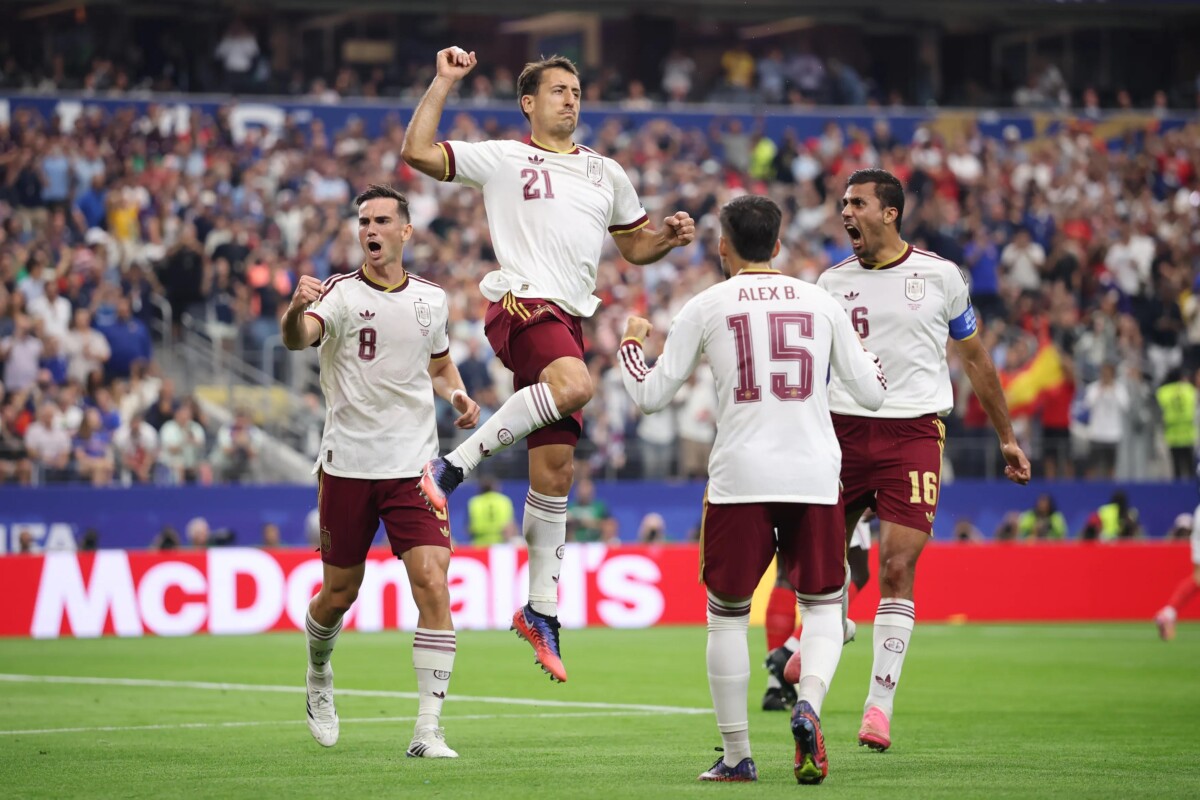
Torres Delivers the Killer Blow
The breakthrough came 39 seconds into the second period of extra time. Nico Williams drove at the Argentine defence on the right and pulled the ball back for Pedro Porro, whose low cross found Torres arriving at the back post. The 25-year-old needed only one touch — a firm, clinical 8-yard finish that sent the thousands of Spanish supporters at MetLife Stadium into delirium and left Martínez beaten for the only time all night.
Argentina, who had been reduced to ten men when Enzo Fernández was shown a red card for a reckless lunge, could find no response. Spain saw out the remaining minutes with the composure of champions, the final whistle triggering scenes of jubilation that will live long in the memory of La Roja’s supporters worldwide.
Head to our World Cup 2026 Final preview to revisit the buildup, and relive how Spain reached this point in our semi-final match report against France.
History in Every Statistic
The numbers behind Spain’s triumph are staggering. They head home with their second World Cup title — 16 years on from their maiden triumph in Johannesburg — having conceded just one goal across eight matches, the fewest by any champion in the tournament’s history. Their unbeaten run in all competitions now stands at 38 matches, surpassing the record held jointly by Italy from the 2018-21 cycle.
De la Fuente, at 65 years of age, became the oldest manager to guide a team to World Cup glory, capping a tenure defined by tactical discipline and collective spirit. Spain finished the tournament with 20 shots in the final alone, a figure that underlines just how dominant they were even when the goals refused to come.
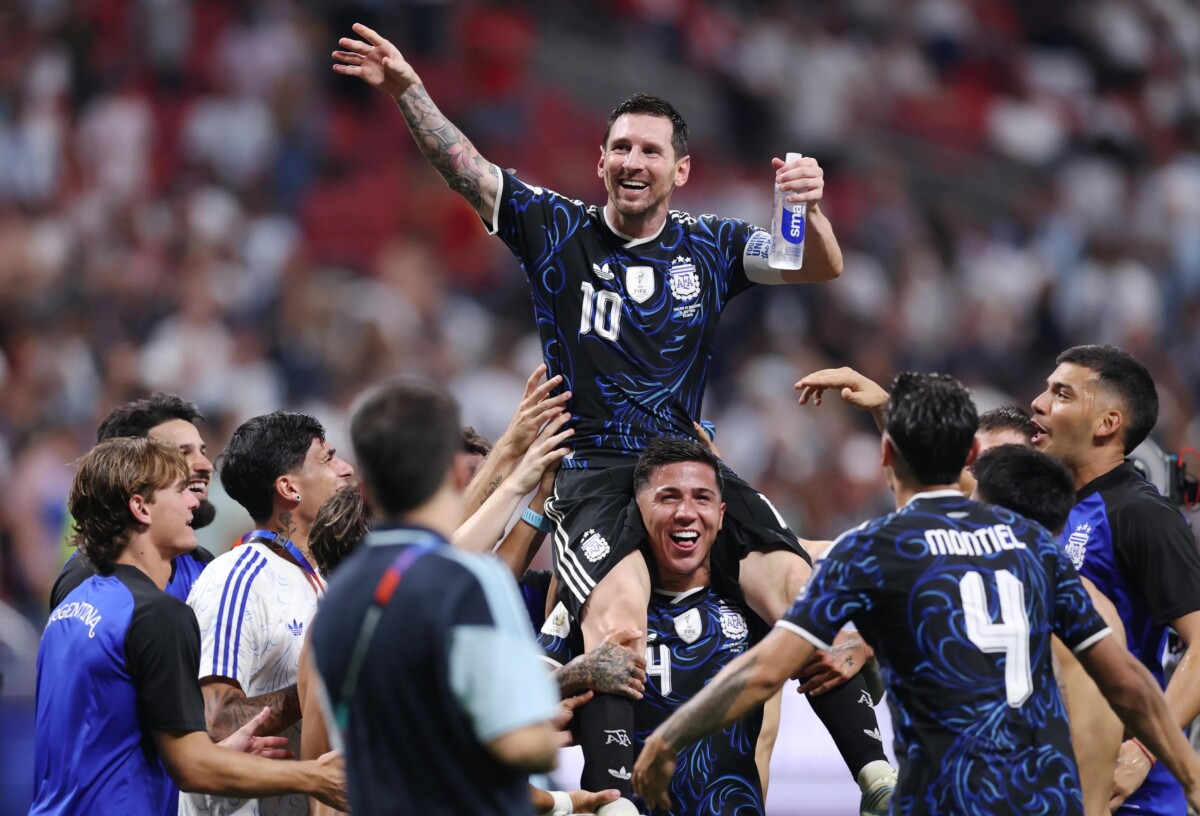
Messi’s Final Chapter
For Lionel Messi, this was perhaps the last chapter of an extraordinary World Cup story. The 39-year-old Argentine captain — already the all-time top scorer in World Cup history with 21 goals — was starved of the ball throughout, the game’s rhythms never allowing him to produce the moments of magic his talent demands on the biggest stage. Argentina had reached back-to-back finals, a feat achieved by only five other nations in history, and had Messi scored or forced an error it may have been a different story entirely. As it was, Emi Martínez’s heroics in goal — ultimately in vain — were the defining Argentine contribution of the night.
Spain World Cup 2026 Champions: What This Means for the Game
Spain’s achievement is without parallel in the modern era of international football. They now hold both the men’s and women’s World Cup simultaneously, an unprecedented double that speaks to the depth and culture of Spanish football at every level. Lamine Yamal, just 18 years old, emerged as one of the tournament’s standout performers alongside Nico Williams, and the pair’s chemistry down the flanks gave every defence they faced a nightmare to deal with.
This is a team built on values — hard work, togetherness, and a relentless desire to press and move — and De la Fuente deserves enormous credit for maintaining the momentum that began with their 2024 European Championship triumph. Spain are not just champions. They are the best international side on the planet.
For more coverage of the world’s greatest sporting events, visit our Sports section.