
The S&P 500 closed at a record high of 7,022.95 on Tuesday, surpassing the 7,000 milestone as ceasefire optimism, blockbuster bank earnings and a surging tech sector combined to push Wall Street to historic levels. Here is everything Singapore investors need to know about the 15 April 2026 trading session.
S&P 500 Breaks Above 7,000 for Record Close
The benchmark S&P 500 surged 0.80% to close at 7,022.95, smashing through the psychologically significant 7,000 level and eclipsing its previous record close of 7,002.28 set on 28 January. The index hit a fresh intraday high of 7,003.71 during the session before extending gains into the close.
The Dow Jones Industrial Average climbed 317 points, while the Nasdaq Composite rose for a 10th consecutive session — its longest winning streak since 2023 — closing at 23,639.08. The tech-heavy index has now gained 11.7% over the past 10 trading days, a pace that historically precedes further upside: data shows the Nasdaq 100 has finished higher nearly three out of four times at the six-month mark following rallies of this magnitude.
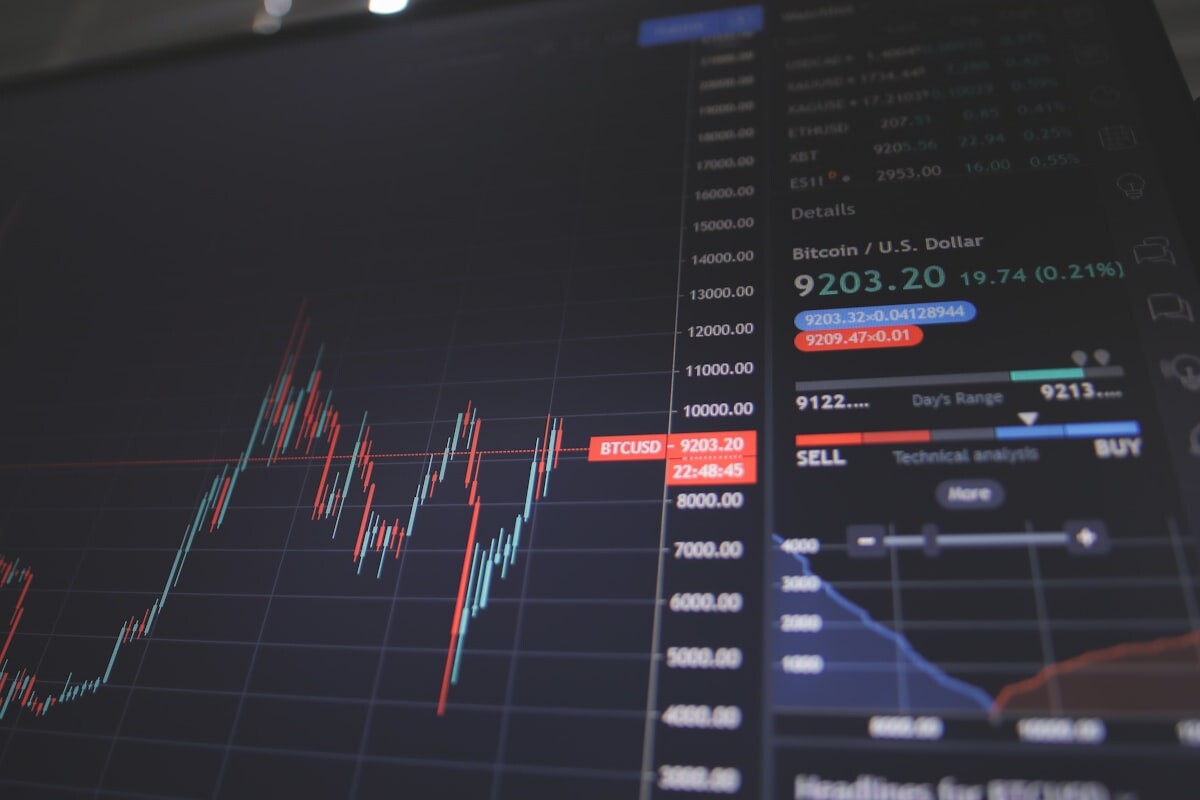
The Nasdaq Composite recorded its 10th straight day of gains, its longest winning streak since 2023, driven by big tech and AI stocks.
What Is Driving the Rally?
Three key catalysts converged on Tuesday to create what Bloomberg described as a “perfect storm” of optimism:
1. Ceasefire Hopes Ease Geopolitical Risk
Despite the ongoing US blockade of the Strait of Hormuz — through which roughly 20% of global oil supply normally flows — investors are increasingly betting that US–Iran negotiations will produce a deal. Oil prices have slipped below US$100 per barrel (Brent at US$96.80, WTI at US$90.92), signalling that markets view the blockade as brinkmanship rather than a lasting disruption. As we covered earlier this week, the geopolitical situation remains fluid, but sentiment has clearly shifted towards a diplomatic resolution.
2. Big Banks Crush Earnings Estimates
Following Monday’s stellar results from JPMorgan Chase and Citigroup — which we analysed in detail — Tuesday brought more blockbuster numbers from Wall Street’s heavyweights:
Morgan Stanley shattered records with Q1 earnings per share of US$3.43, demolishing the consensus estimate of US$3.02. Total net revenues hit US$20.6 billion — the first time the firm has crossed the US$20 billion threshold in a single quarter — powered by a 36% surge in investment banking revenue and a 25% leap in equity trading. Shares jumped over 5% in early trading.
Bank of America posted net income of US$8.6 billion, with equities trading revenue climbing 30% and net interest income rising 9% to US$15.9 billion. The only blemish was fixed income trading, which fell short of expectations by approximately US$330 million.
Across the six largest US banks, Q1 net income reached a combined US$47.3 billion — yet in a sign of the times, they still cut more than 5,000 jobs in the quarter.
3. ASML Raises Guidance on AI Chip Demand

ASML reported €8.8 billion in Q1 2026 net sales and raised its full-year revenue guidance to €36–40 billion on surging AI chip demand.
European semiconductor giant ASML reported Q1 net sales of €8.8 billion (beating the €8.5 billion consensus) and net income of €2.8 billion. Crucially, the company raised its full-year 2026 revenue guidance to €36–40 billion, up from its prior outlook, citing insatiable AI-related demand. Gross margin came in at 53.0%, the high end of guidance.
The ASML beat reinforced the AI narrative that has driven NVIDIA to an 18% gain over the past 10 sessions (its longest winning streak since 2023) and pushed Micron to a record high.
Sector and Technical Snapshot
Tech led the charge, with the “Magnificent Seven” broadly outperforming. Tesla surged over 7% after CEO Elon Musk provided a fresh update on the company’s new AI5 chip. Semiconductor stocks were standouts following ASML’s guidance raise.
Financials remained strong, with the sector extending its earnings-fuelled rally from Monday.
Energy was mixed as oil prices moderated on peace hopes, pressuring drillers but benefiting the broader market through lower inflation expectations.
From a technical perspective, the S&P 500’s decisive break above 7,000 turns this level into potential support. The index is now trading well above its 50-day and 200-day moving averages, with the RSI approaching overbought territory. Historically, markets can remain overbought for extended periods during strong rallies, but investors should watch for any pullback to the 7,000 level as a key test of the new floor.
Commodities and Safe Havens
Gold held firm near record highs at US$4,830 per ounce, reflecting continued demand for safe-haven assets despite the risk-on mood in equities. The dual trade — buying both stocks and gold — suggests investors remain hedged against a breakdown in Iran negotiations.
Oil saw Brent crude rise 2.1% to US$96.80 while WTI slipped 0.4% to US$90.92, a divergence driven by regional supply dynamics. The EIA raised its 2026 Brent forecast to US$96, suggesting current levels may be the new baseline while the Hormuz situation persists.
What This Means for Singapore Investors
For Singapore-based investors, several takeaways stand out:
US exposure is paying off. If you hold S&P 500 ETFs (such as the SPDR S&P 500 ETF via platforms like Tiger Brokers, moomoo, or Interactive Brokers), your portfolio is now at all-time highs. The question is whether to take profits or ride the momentum — history suggests the latter tends to work after 10-day winning streaks.
Singapore banks should benefit from the global tailwinds. OCBC recently hit an all-time high of S$22.83, taking its market cap above S$100 billion for the first time. With US banks posting record earnings, sentiment should remain positive for DBS, OCBC and UOB. Our weekly stock picks include exposure to Singapore’s banking sector.
Watch the STI. The Straits Times Index has been tracking the global risk-on mood but remains more sensitive to Asian geopolitical developments. With the STI around the 4,975–5,008 range, local investors should monitor whether the index can reclaim 5,000 convincingly.
CPF Investment Scheme holders with US equity exposure through unit trusts are benefiting from the rally. Consider rebalancing if your US allocation has drifted significantly above target.
Looking Ahead
Wednesday’s focus shifts to further earnings releases and any developments on the US–Iran front. Citadel CEO Ken Griffin’s warning that a prolonged Hormuz disruption could push the global economy towards recession remains the key risk to watch, even as markets price in a deal.
The S&P 500’s break above 7,000 is a significant technical and psychological milestone. Whether it can hold will depend on earnings season continuing to deliver — and the diplomats finding common ground.
This article is for informational purposes only and does not constitute financial advice. Investments carry risk and you may lose money. Always do your own research or consult a licensed financial adviser before making investment decisions.