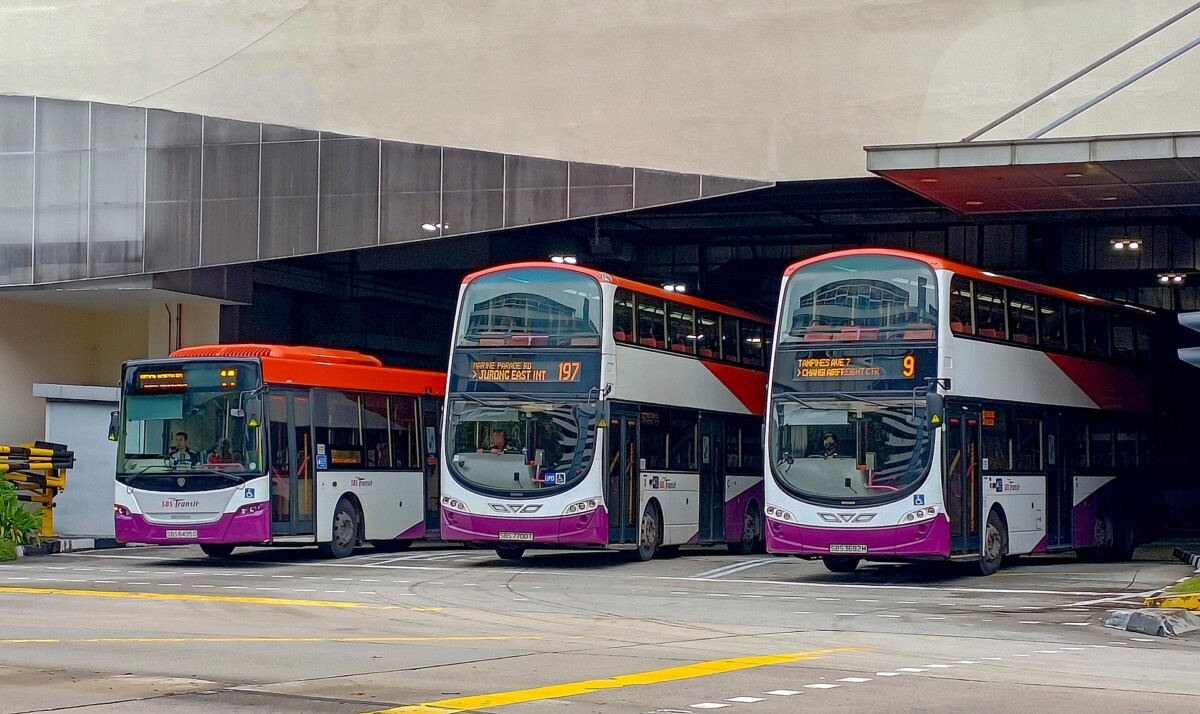
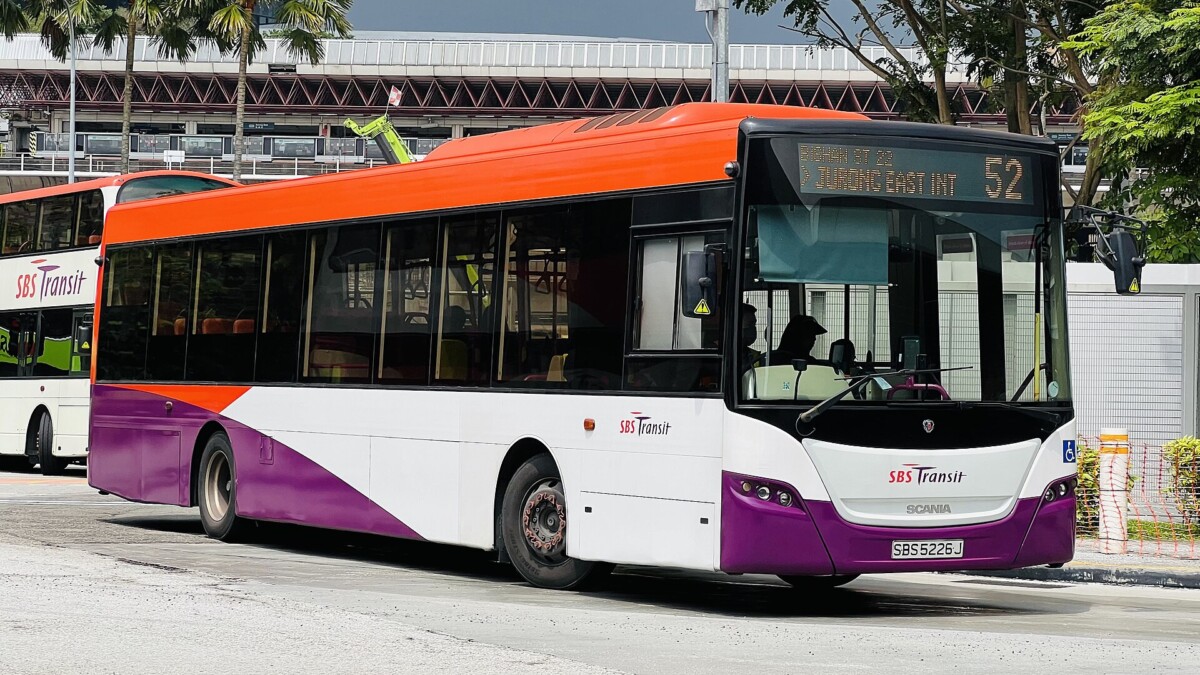
SG Enable and SBS Transit signed a memorandum of understanding on 29 October 2026 to widen disability-inclusive hiring across the bus and rail operator and the partners that serve its operations. The agreement carries a shared aspirational goal of 300 cumulative inclusive hires by 2030. Shawn Huang, Senior Parliamentary Secretary for Finance and Manpower, witnessed the signing at Taman Jurong Community Club.
Speaking at the signing, Shawn Huang put the pledge in national context: the employment rate of resident persons with disabilities rose from 31.4 per cent in 2022, when the Enabling Masterplan 2030 was launched, to 34.7 per cent in 2025, against a target of 40 per cent by 2030.
What the hiring pledge covers
Those 300 hires are counted across SBS Transit and the service partners supporting its operations, so the pledge reaches beyond the operator’s own payroll. The two organisations will identify and develop suitable roles for persons with disabilities, exploring job redesign, workplace accommodation and job coach support to help them succeed at work.
Both organisations also commit to working with institutes of higher learning, and the Enabling Pathway Programme is the vehicle for it.
Training for frontline staff
SBS Transit aims to train up to 70 per cent of its frontline employees in commuter inclusiveness by 2030. Its current disability awareness training leans on classroom sessions. The partnership adds practical work through Consumer Inclusiveness Workshops written for public transport and through programmes at the Public Transport Inclusivity Training Centre, which opened in April 2026 at Seletar Bus Depot with a simulated platform gap, ramps and stairways for staff to practise on.
Course content will be refreshed with input from the disability community, and the training covers passengers whose conditions are not visible.
Inside the Enabling Pathway Programme
The education side of the agreement runs through the Enabling Pathway Programme, co-created by SIM People Development Fund, SG Enable and the Institute of Technical Education, with SBS Transit as the first employer-partner. It launched on 3 September 2024 as a three-year partnership and began with a land transport engineering track: up to 10 ITE students a year, each on an internship of six to nine months.
Interns can go on to a Work-Study Diploma in Land Transport Engineering at ITE with course fees fully borne by SBS Transit. Each also receives a S$2,400 Enabling Pathway Award from the fund, which has set aside S$250,000 to support 100 students over three years.
Until now the programme has drawn from ITE. Under the new agreement it extends to polytechnics and universities, which opens work experience and a route into employment to students in those institutions.
Other commitments in the agreement
SBS Transit will use SG Enable’s i’mable Collective to showcase work by creatives with disabilities and to create income generating opportunities for them. The operator’s Travel Buddy Programme, which offers route familiarisation and practical guidance to passengers who need help getting around, forms part of the outreach. Both organisations will also use the CARES Community Bus and SBS Transit’s community spaces at MRT stations for disability inclusion activities.
SBS Transit’s Queen Bee programme is the channel named for passing its hiring and workplace practice to other employers, with the two organisations sharing examples of inclusive hiring, workplace support and service excellence through it to encourage more organisations to build inclusive workplaces.