
If the first steps out of bed hurt at the bottom of your heel, and the pain eases once you have walked around for a few minutes, plantar fasciitis is the usual suspect. It is common in sports with running and jumping, and it is slow to clear: recovery usually takes months.
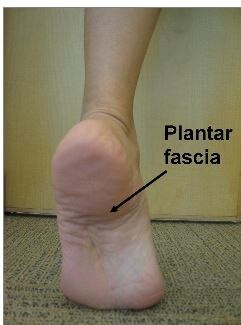
The plantar fascia is a tough band that runs from the heel bone to the base of the toes and helps support the arch. When it is overloaded, it becomes inflamed, and the heel takes the pain.
What it feels like
The pain usually sits at the bottom of the heel and foot. It is typically worst first thing in the morning, eases after a few minutes as the foot warms up, and can build again through the day with long periods of walking.
It also tends to flare after a run, after a long shift on your feet, or when you stand up after sitting for a while.
Heel pain is not always a heel spur, either. A spur is a bony growth where the fascia attaches to the heel bone. Some people have one with no symptoms at all, and a painful heel can have no spur.
Who is more at risk
You are more at risk with:
- flat (overpronated) feet, or high-arched, rigid feet
- long-distance running, or a sudden jump in weekly mileage
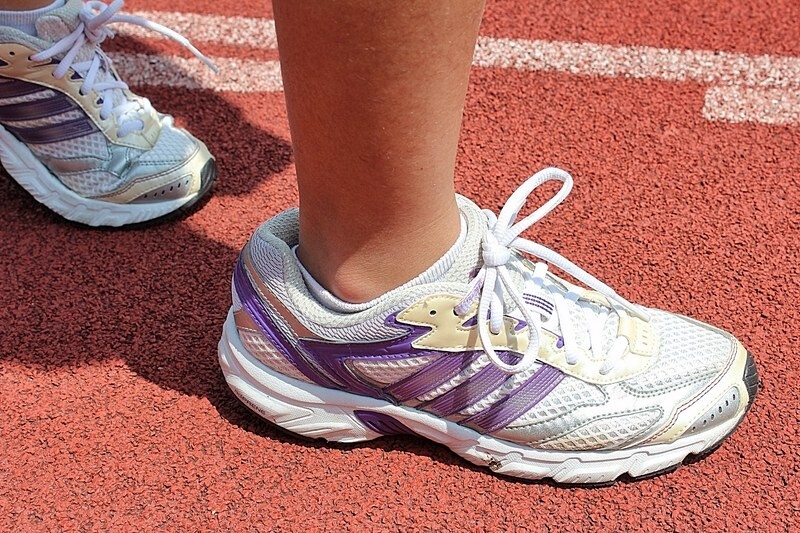
- worn or unsuitable running shoes
- long hours standing or walking at work
- tight calf muscles
- carrying extra weight
For runners who overpronate or have tight calves, the mechanics put extra stretch on the fascia with every stride.
Easing it, and when to get help
The first steps are simple. Rest from whatever aggravates it until it stops hurting, which is hard when work keeps you on your feet. An ice pack on the heel helps, especially after a run or a long walk.
If it does not settle, a doctor or physiotherapist has more options. Changi General Hospital’s sport and exercise medicine team uses pain or anti-inflammatory medication for short-term relief, orthotic insoles to correct over-pronation, and physiotherapy. A corticosteroid injection into the plantar fascia is another option, with known downsides: a higher risk of the fascia tearing during activity, and thinning of the fat pad under the heel. Shock wave therapy is also used to help the attachment heal.
The physiotherapy work is not just about the foot. The CGH programme includes single-leg mini squats, single-leg bridges, single-leg half squats, a hip flexor stretch, standing calf stretches for both the gastrocnemius and the soleus, and a plantar fascia stretch. Ask a physiotherapist to set the doses rather than copying a programme.
Prevention starts at the shoe wall
Prevention is short: well-fitted footwear for exercise and work, warm-ups with stretches for the Achilles tendon and plantar fascia, and building intensity and duration gradually.
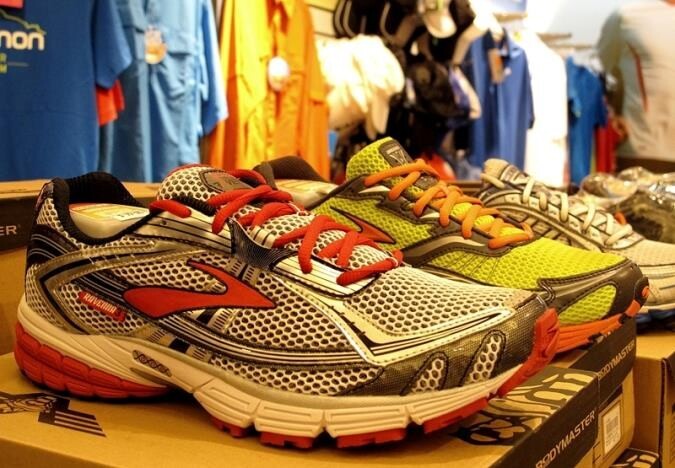
ActiveSG matches arch type to the label on the box:
- neutral or high-arched feet: shoes labelled “cushioning”
- low arches: “stability” shoes with firmer midsoles
- flat feet: “motion control”, and an orthopaedic opinion on orthotics
Try shoes on before you buy and check the width as well as the length; many sports stores stock widths such as B, D, 2E and 4E. The wear pattern on your old pair is worth a look too. Walking shoes are stiffer and are not built for running, and trail shoes suit runs on Bukit Timah or MacRitchie paths.
None of this replaces a diagnosis. Recovery goes better when treatment starts early, so a heel that keeps hurting despite rest and ice is worth a GP or sports physician visit.