Parliament passed the Land Titles (Strata) (Amendment) Bill on Tuesday (8 September 2026), cutting collective-sale consent thresholds for older private developments to 70 per cent for buildings aged 40 to 59 years and 65 per cent for those aged 60 and above. Channel NewsAsia reported Law Minister Edwin Tong telling the House the changes form an integrated package with tighter safeguards for non-consenting owners.

What the thresholds become
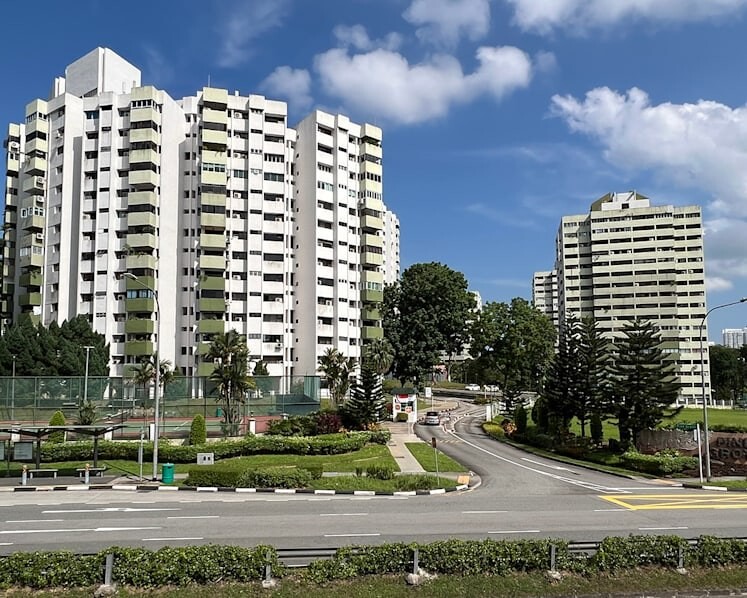
Under the new law, developments aged 40 to 59 years need 70 per cent consent instead of 80 per cent. Those aged 60 years and above need 65 per cent. The previous single 80 per cent bar for older strata schemes is replaced by those two tiers.
Mr Tong said more than 360,000 private non-landed units are still under 40 years old, while about 20,000 are already past 40. He pointed to rising upkeep costs, including lift modernisation from about S$120,000 and full lift replacement between S$200,000 and S$300,000 per lift, as pressure on ageing estates.
Shorter signature window, longer cooldown
The time allowed to collect signatures for a collective sale agreement is cut from 12 months to six months. After a failed sale attempt, the restriction period before another try rises from two years to three years.
The threshold to convene a general meeting to form a collective sale committee rises to 35 per cent of owners by share value or number of units, up from 20 per cent by share value or 25 per cent by unit count. Several MPs raised concerns that six months may be tight for large estates; Mr Tong said most signatures typically land within the first four months and that longer campaigns had produced more polarising pressure on holdouts.
Other changes in the Bill
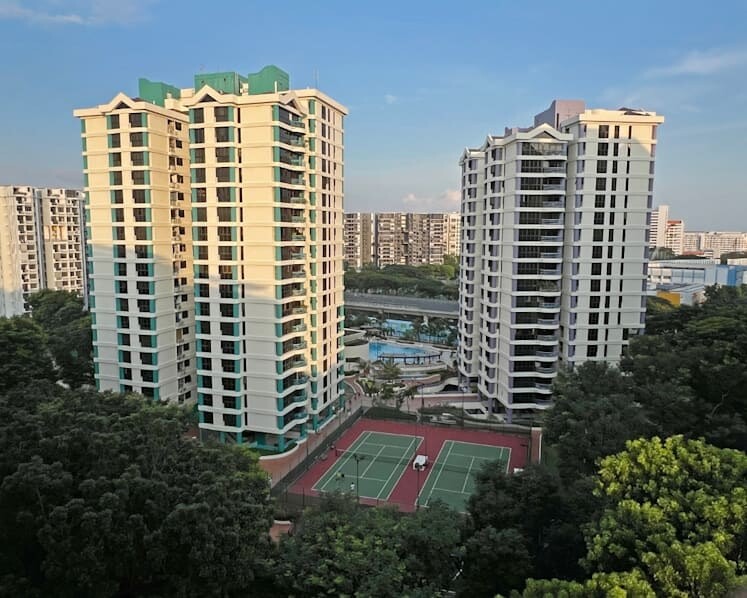
Court-ordered top-ups for objectors rise to 0.5 per cent of sale proceeds per lot or flat, or S$2,000, whichever is higher. The collective-sale regime also extends to certain non-strata private residential developments with long leases. Most new rules apply where the first CSA signature has not yet been taken before commencement; estates already collecting signatures get a seven-month window if they restart under the new framework.