
If you have been looking for an excuse to stay up late, the sky is about to give you one. The Lyrids meteor shower returns to Singapore’s skies from 17 to 26 April 2026, with peak activity expected on the nights of 22 and 23 April. It is the first major meteor shower of the year and one of the oldest recorded — astronomers have been tracking the Lyrids for nearly 2,700 years.
During the peak, you can expect to see 10 to 20 bright, fast-moving meteors per hour streaking across the night sky. Occasionally, the Lyrids also produce especially luminous flashes known as fireballs, which briefly light up the sky in a way that is hard to forget. No telescope or binoculars needed — these shooting stars are visible to the naked eye.
What Are the Lyrids?
The Lyrids originate from debris left behind by Comet C/1861 G1 Thatcher, which orbits the Sun once every 415 years. Each April, Earth passes through this trail of cosmic dust, and the particles enter our atmosphere at around 46 kilometres per second, burning up to create the bright streaks we see as meteors. The shower gets its name from the constellation Lyra, the point in the sky from which the meteors appear to radiate.
While the Lyrids are generally a moderate shower, they can occasionally surprise. Roughly every 60 years, an outburst occurs that can produce up to 100 meteors per hour — though the next one is not expected until 2042.
When to Watch
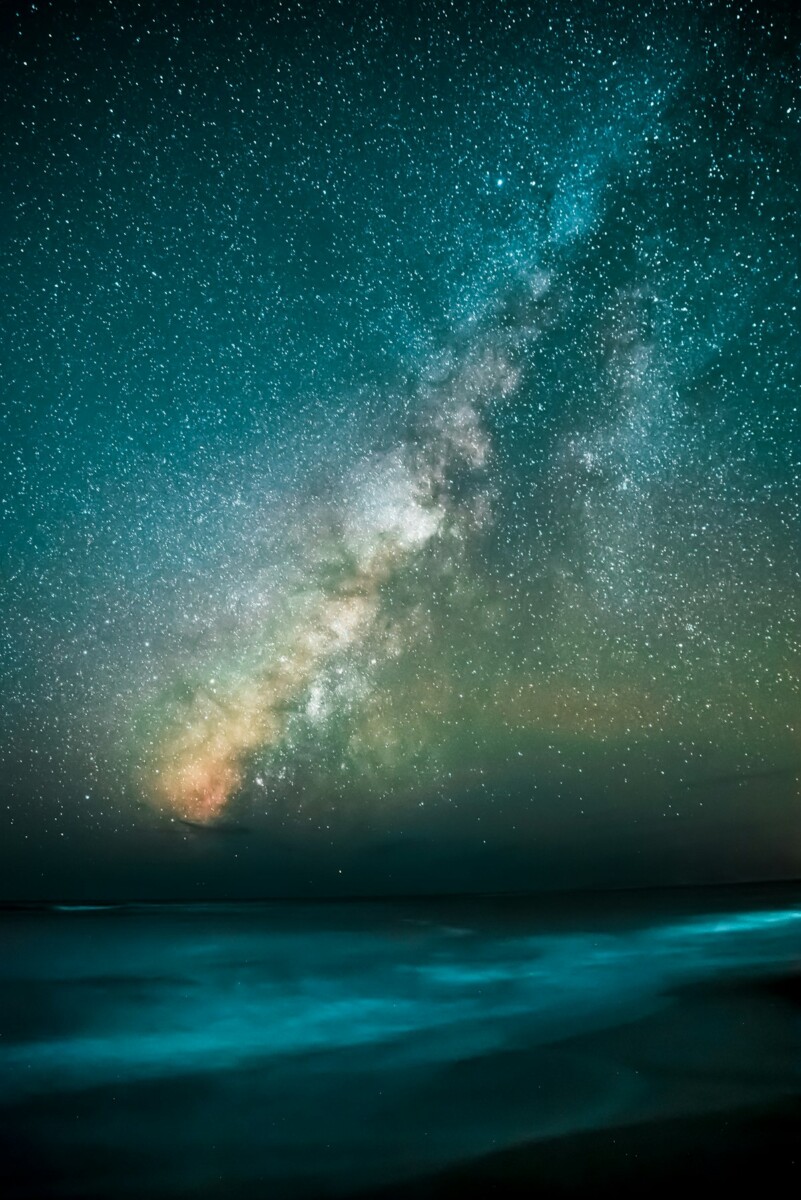
The shower is active from 17 to 26 April, but your best chance of seeing meteors is during the peak on 22 and 23 April. The ideal viewing window is after 11pm, when the sky is at its darkest. Give your eyes at least 15 to 20 minutes to adjust to the darkness before you start scanning the sky — patience is everything with meteor watching.
One thing to keep in mind: Singapore’s weather can be unpredictable this time of year. Check the forecast before heading out, as cloud cover will significantly reduce visibility. Clear skies are essential for a good show.
Best Spots to Watch in Singapore
Singapore’s light pollution is a well-known challenge for stargazers, but that does not mean you are out of luck. The key is to head to darker areas away from the city centre. Science Centre Singapore recommends finding a comfortable, safe spot with an unobstructed view of the sky, preferably facing eastward.
Here are some of the best spots to set up for the night:
Changi Beach Park — One of Singapore’s darkest coastal areas, Changi Beach Park is a favourite among local stargazers. The open sky over the water gives you a wide, unblocked view, and the relatively low light pollution makes it one of the best spots on the island. The Changi Bay Point boardwalk is an especially good vantage point.
Upper Seletar Reservoir — Tucked away from HDB estates and major light sources, Upper Seletar Reservoir offers some of the darkest skies in Singapore. The iconic rocket tower here adds a fitting backdrop for a night of meteor watching.
East Coast Park — While not the darkest location, East Coast Park’s wide-open spaces and easy accessibility make it a solid option for casual stargazers. You can still spot bright meteors and fireballs from here on a clear night.
Labrador Park — Head to the area near the Red Beacon, where light pollution is minimal. The coastal breeze and quiet atmosphere make it a lovely spot for a late-night outing.
Lorong Halus Bridge — This bridge over the Punggol Waterway is one of the least light-polluted areas in Singapore. It takes a bit of effort to get to, but the darker skies and thinner crowds are well worth it.
What to Bring
You do not need any special equipment to enjoy the Lyrids — just your eyes and a bit of patience. That said, a few essentials will make the experience more comfortable: a picnic mat or foldable chair so you can lie back and look up, insect repellent (this is Singapore, after all), a light jacket for the late-night breeze, and some snacks and water to keep you going. Leave the phone screen off as much as possible — the bright light will ruin your night vision.
Make a Night of It
The Lyrids meteor shower is a rare chance to slow down, look up, and appreciate something bigger than our daily routines. Whether you head out with friends, family, or just on your own, it is one of those simple pleasures that costs nothing but a bit of sleep.
While you are planning your week, do not miss Tulipmania 2026 at Gardens by the Bay, which runs until mid-May and pairs vibrant tulip displays with Dutch masterpieces. If you are looking for more things to do this month, check out our guide to Artbox Camp 2026 and the Light to Night Singapore 2026 recap.
Clear skies and happy stargazing, Singapore!