June 2026 BTO is the Singapore item to put on your radar today because HDB has already signalled a substantial 2026 BTO supply pipeline, and buyers need an HFE letter before they can book a flat. The useful part is not the headline alone. It is how the dates, eligibility rules and venue details translate into a real decision for readers here.
The property point is not only where the next projects are located. It is whether first-time and repeat buyers have cleared the administrative step that determines eligibility, grants and housing loan estimates. For Little Big Red Dot readers, the clearest way to read this is through the local friction points: timing, transport, booking steps, family schedules, payment mechanics and whether the official details are specific enough to act on now.
Start With The HFE Letter
The HDB Flat Eligibility letter is the administrative gate that tells buyers about eligibility, grants and loan estimates before a flat application. That matters because June 2026 BTO sits in the part of daily life where a vague announcement is not enough. Readers need to know whether the window is open now, whether there is a booking or application step, and what they should compare before committing time or money.
If you wait until the launch excitement starts, small document issues can become stressful because every applicant in the household needs details to line up. This is where Singapore context changes the reading. A family planning around school runs, a worker checking lunch-hour errands, or a resident comparing weekend options will look at the same official page very differently from a casual browser.
Log in early, check the household members, and make sure income details are not based on outdated assumptions. The practical test is simple: if the official page gives a date, price, venue, eligibility rule or redemption cap, treat that as the anchor. Everything else should be judged against that anchor rather than against social media summaries.
Check The Loan Number Calmly

The HFE letter may include an HDB housing loan amount, but buyers should still test the number against monthly cash flow. It is also worth checking the surrounding details because a Singapore reader usually makes the decision in layers: first whether the item is relevant, then whether the timing works, then whether the cost or effort makes sense.
A flat that is technically affordable can still feel tight when childcare, parents’ allowances, transport and renovation savings are included. The best use of the source is to separate firm information from interpretation. Firm information includes official dates, named partners, addresses, card or account conditions, ticketing links, and stated programme mechanics.
Use the launch period to compare comfort, not only eligibility. If those details line up with your week, the story becomes useful immediately. If one detail is uncertain, such as a slot, seat, branch, qualifying spend or application status, settle that before assuming the headline value applies to you.
Why Location Still Needs A Second Pass
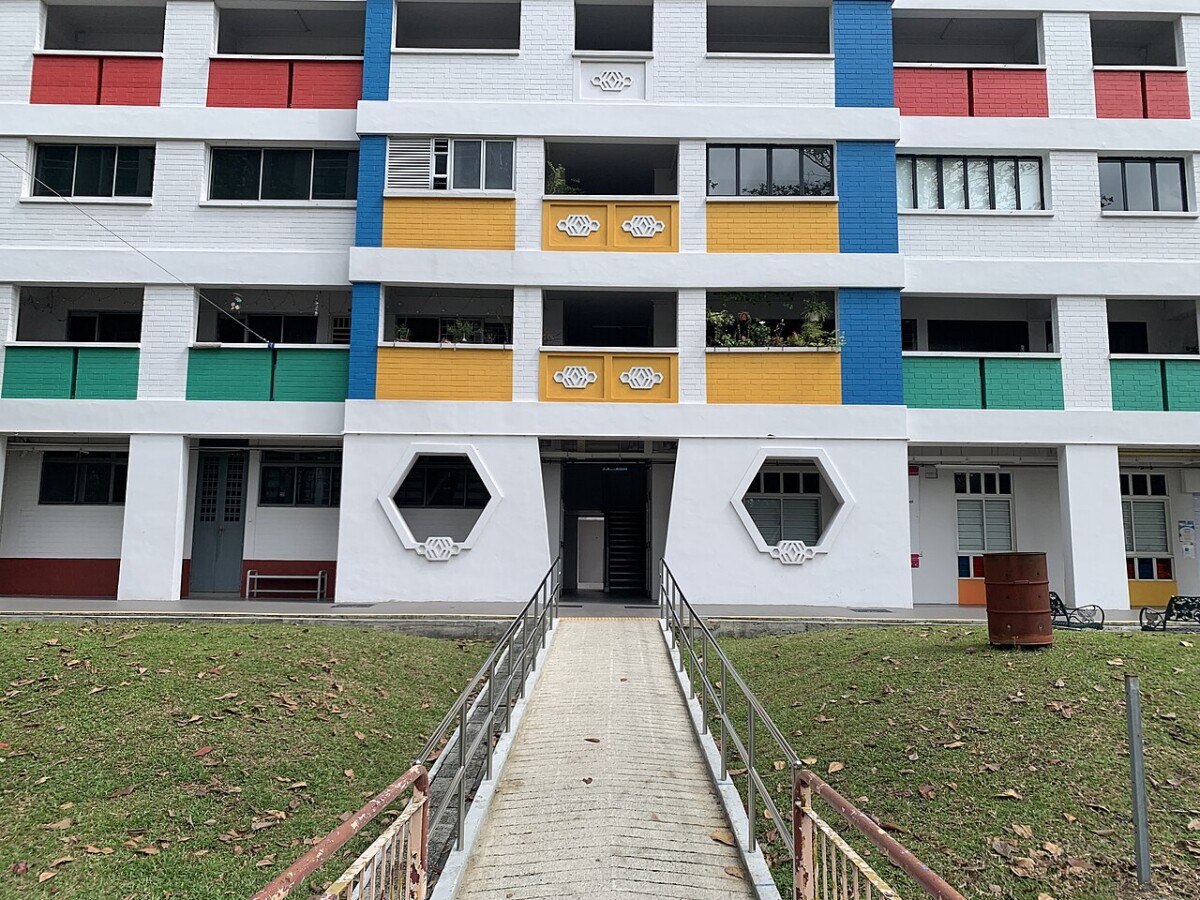
Project names get attention, but daily life depends on MRT access, childcare, workplace routes and family support. The images and official materials point to a subject with enough substance for readers to inspect, not just a passing listing. That is important for Little Big Red Dot because local articles should help you recognise the actual event, product, venue or service when you see it.
First-timers should not pick only by buzz. A less glamorous project may suit the household better if it reduces commute strain or sits closer to caregivers. For households, the useful reading is often less glamorous than the announcement. It can be the address, nearest MRT, age rule, spending cap, card type, claim step, match date or application deadline that decides whether this deserves attention.
List the non-negotiables before the launch map goes live. A good habit is to keep the official source close when acting on the article, but only for the exact facts named here. That means checking the stated registration page, sale page, booking page or organiser update, not drifting through unrelated summaries.
Rachel Ng’s Property Take
The smartest BTO preparation happens before the sales exercise opens. There is a second-order point too: Singapore readers often compare options within a tight calendar. Public holidays, school terms, weekend crowds, card billing cycles, sales caps and venue access can all change the real value of a headline.
Once a launch starts, everyone is comparing locations, application rates and flat types at the same time. That is a poor moment to discover a missing document or a wrong assumption about grants. That is why the recommendation here is not to chase the broadest claim. Look at the exact terms, then decide whether it fits your normal behaviour. A saving that requires forced spending, a family event that creates transport stress, or a housing deadline missed by a few days can quickly become less attractive.
Treat the HFE letter as financial preparation, not paperwork. The strongest version of this story is therefore practical rather than noisy. Use the official page for the non-negotiables, use local judgement for the calendar, and ignore anything that cannot be traced back to the named source.
Before The June Launch
June 2026 BTO preparation should begin with the HFE letter, not the launch brochure. Settle eligibility, grants, loan comfort and household priorities first, then use HDB’s official launch details to decide whether a project genuinely fits your life.
Couples should also agree on the walk-away point before applications open. If the commute is too long, the loan feels stretched, or a flat type does not suit future caregiving plans, saying no early is better than winning a ballot for a home that does not fit.
Related on Little Big Red Dot: HDB upgrading projects guide, CPF interest rates guide, DBS shopping perks guide.
Official links: HDB Flat Portal, HDB HFE letter guide.