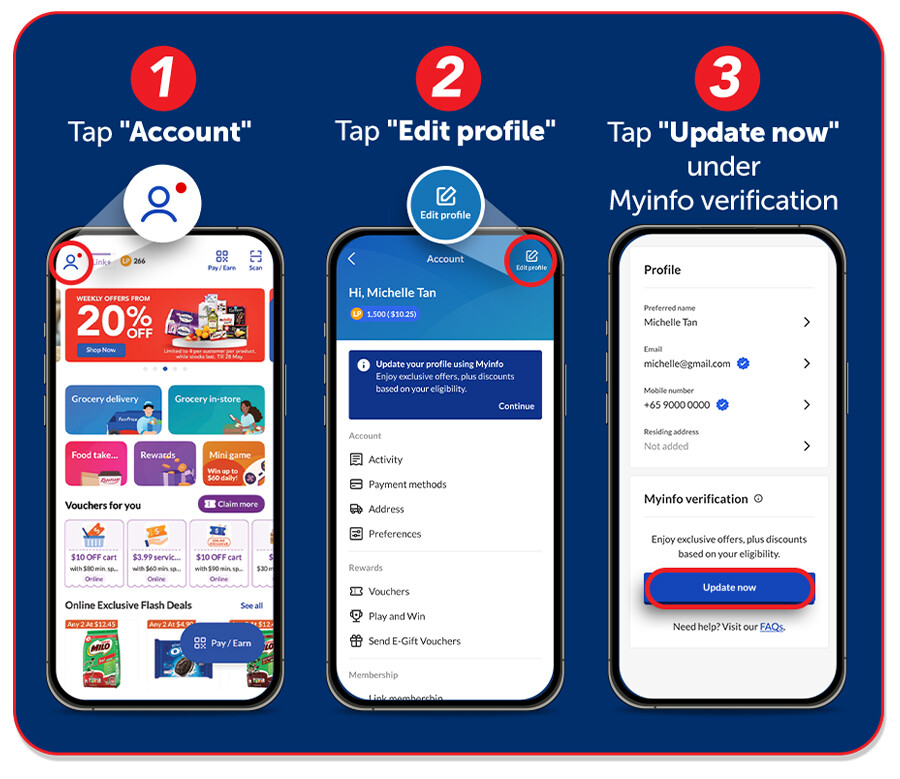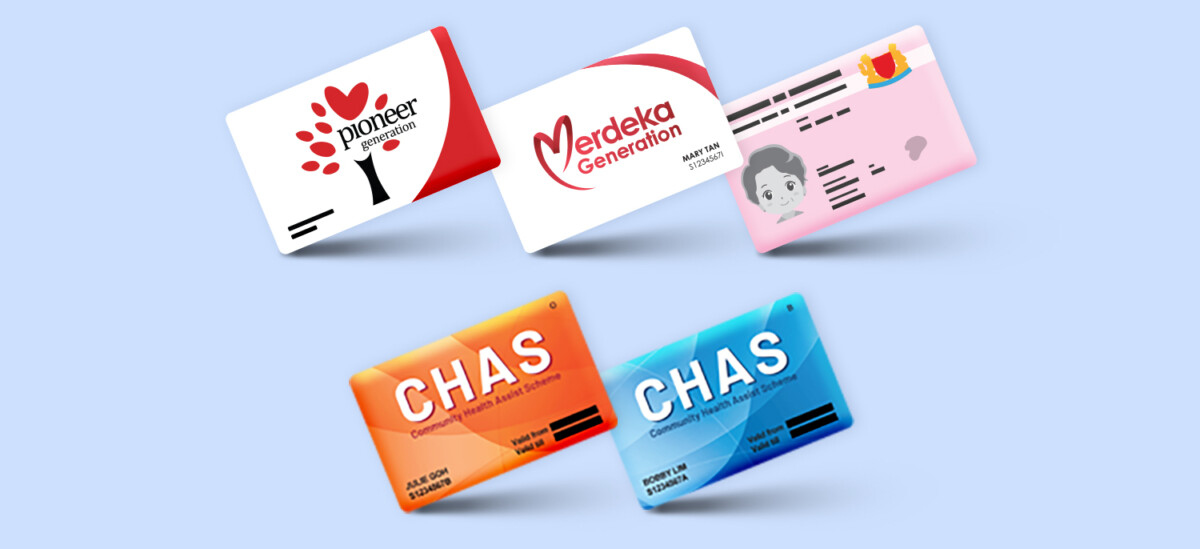
FairPrice CHAS 6% discount is the Singapore item to put on your radar today because FairPrice has an official MyInfo page explaining how CHAS cardholders can link their details for in-store savings. The useful part is not the headline alone. It is how the dates, eligibility rules and venue details translate into a real decision for readers here.
The useful part for Singapore shoppers is the auto-applied discount flow, because it reduces the chance of forgetting a card or missing a counter reminder. For Little Big Red Dot readers, the clearest way to read this is through the local friction points: timing, transport, booking steps, family schedules, payment mechanics and whether the official details are specific enough to act on now.
Who Should Check This

The official page is aimed at eligible CHAS cardholders who shop at FairPrice and want their discount recognised through the app. That matters because FairPrice CHAS 6% discount sits in the part of daily life where a vague announcement is not enough. Readers need to know whether the window is open now, whether there is a booking or application step, and what they should compare before committing time or money.
This is most useful for households that buy groceries frequently enough for small percentage savings to add up. This is where Singapore context changes the reading. A family planning around school runs, a worker checking lunch-hour errands, or a resident comparing weekend options will look at the same official page very differently from a casual browser.
Eligibility comes first, so check your CHAS status before assuming the discount applies. The practical test is simple: if the official page gives a date, price, venue, eligibility rule or redemption cap, treat that as the anchor. Everything else should be judged against that anchor rather than against social media summaries.
Why MyInfo Helps

Linking through MyInfo reduces manual steps because the discount can be connected to verified details. It is also worth checking the surrounding details because a Singapore reader usually makes the decision in layers: first whether the item is relevant, then whether the timing works, then whether the cost or effort makes sense.
For seniors and caregivers, that can be simpler than remembering which physical card to present during a crowded checkout. The best use of the source is to separate firm information from interpretation. Firm information includes official dates, named partners, addresses, card or account conditions, ticketing links, and stated programme mechanics.
Set it up before the shopping trip, not while the queue is waiting. If those details line up with your week, the story becomes useful immediately. If one detail is uncertain, such as a slot, seat, branch, qualifying spend or application status, settle that before assuming the headline value applies to you.
Where The Savings Fit

A 6% grocery discount is not a dramatic one-time win, but it can be meaningful on repeat baskets. The images and official materials point to a subject with enough substance for readers to inspect, not just a passing listing. That is important for Little Big Red Dot because local articles should help you recognise the actual event, product, venue or service when you see it.
The value depends on how often the household shops at FairPrice and whether eligible items are part of normal purchases. For households, the useful reading is often less glamorous than the announcement. It can be the address, nearest MRT, age rule, spending cap, card type, claim step, match date or application deadline that decides whether this deserves attention.
Do not buy more just because the discount exists; use it on the groceries you already need. A good habit is to keep the official source close when acting on the article, but only for the exact facts named here. That means checking the stated registration page, sale page, booking page or organiser update, not drifting through unrelated summaries.
Grace Lim’s Deal Take
This is the kind of deal I like because it rewards routine spending rather than creating a new purchase. There is a second-order point too: Singapore readers often compare options within a tight calendar. Public holidays, school terms, weekend crowds, card billing cycles, sales caps and venue access can all change the real value of a headline.
The best grocery savings are boring: they work quietly, apply regularly and do not require a calendar full of promo codes. That is why the recommendation here is not to chase the broadest claim. Look at the exact terms, then decide whether it fits your normal behaviour. A saving that requires forced spending, a family event that creates transport stress, or a housing deadline missed by a few days can quickly become less attractive.
Once linked, check the receipt the first time to make sure the discount appears correctly. The strongest version of this story is therefore practical rather than noisy. Use the official page for the non-negotiables, use local judgement for the calendar, and ignore anything that cannot be traced back to the named source.
Before Your Next Grocery Run
FairPrice’s CHAS 6% discount is worth setting up if you are eligible and already shop there. Link through the official FairPrice MyInfo page, confirm the discount on your first receipt, and keep the saving tied to normal grocery needs.
Caregivers helping older family members should do the setup calmly at home, then check the first transaction together. That small receipt check is useful because it confirms both the eligibility link and the cashier flow before the household relies on it.
The important receipt check is the first successful purchase after linking. Look for the CHAS discount line, keep the receipt if anything looks wrong, and resolve the issue before the next large grocery basket. That is more practical than discovering the link-up problem after several weekly shops.
Related on Little Big Red Dot: DBS shopping perks guide, CPF interest rates guide, Seasonal Tastes DBS buffet deal.
Official links: FairPrice MyInfo CHAS page.